
In the world of golf-broadcast, one name that stands out is Frank Nobilo. Before he became renowned as a broadcaster, Nobilo showcased his skills as a player with an impressive resume. He has earned a total of 14 worldwide wins, including one on the PGA Tour and five on the DP World Tour. Nobilo’s illustrious career includes five career top-10 finishes at majors, with his best performance being a 4th-place finish at the 1996 Masters. Having competed in the Masters four times, Nobilo possesses an insider’s perspective on the course and the immense pressure faced by players during this prestigious tournament.
The Challenge of the 12th Hole
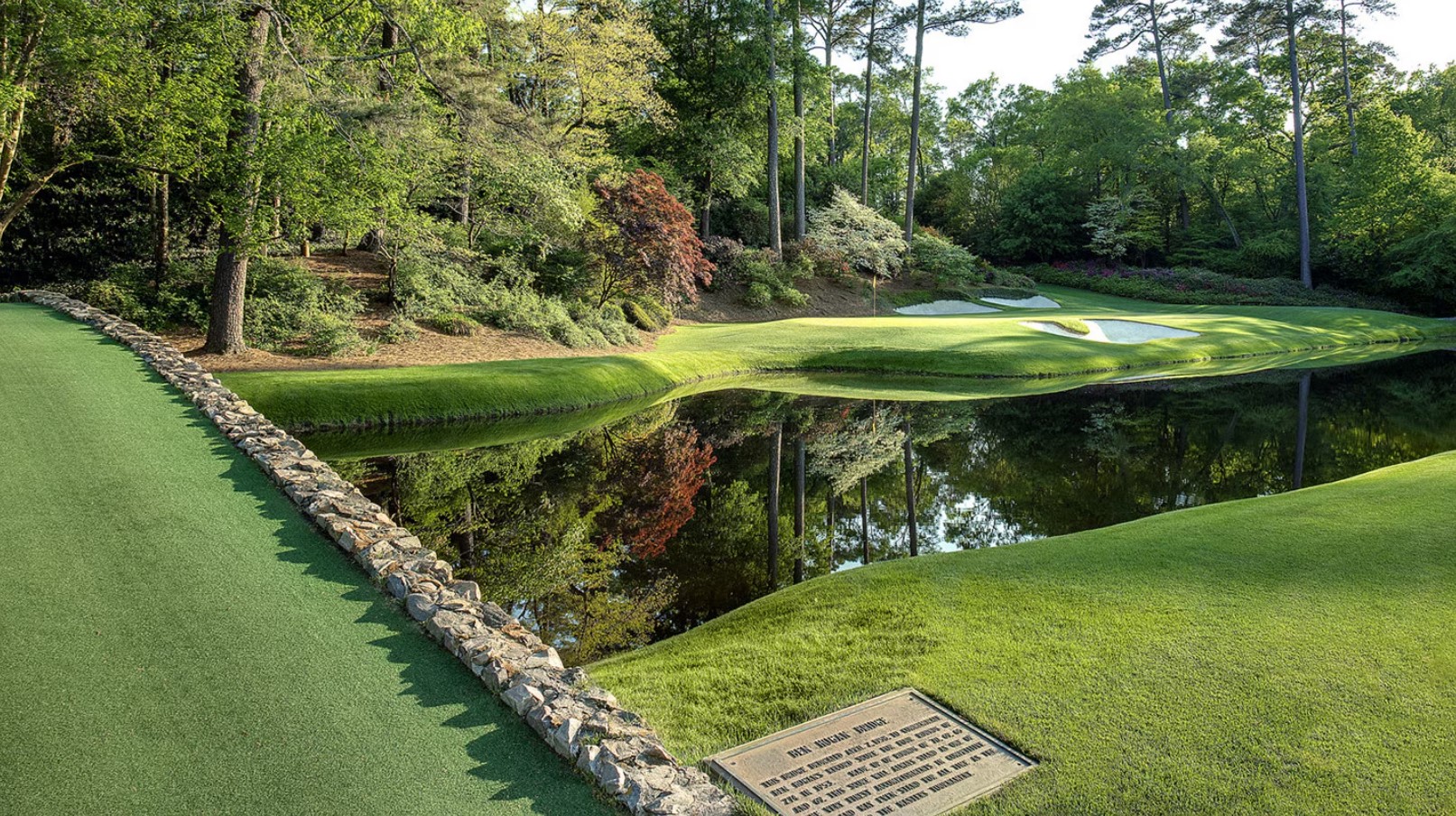
On a recent episode of Subpar, a podcast hosted by Colt Knost and Drew Stoltz, Nobilo shared his insights on various Masters-related topics, including the notorious par-3 12th hole at Augusta National. This hole often proves to be diabolical for players, with its unique challenges and unpredictable wind conditions.
Understanding the Wind on the 12th Hole
One of the key obstacles at the 12th hole is the wind. When it comes to determining the wind’s direction for the tee shot, Nobilo explains that there is no straightforward answer. Even in his playing days, he heard different opinions. Tom Watson, a golf legend, suggested observing the flag on the 11th hole as an indicator. However, Nobilo points out that sometimes the flag on the 11th hole would be blowing in a different direction than the flag on the 12th hole. Thus, using the flag on the 11th may not always provide an accurate indication of the wind on the 12th.
Nobilo shares his personal approach to tackling the challenging wind conditions on the 12th hole. He reveals that he would walk down the 11th hole, especially on windy days, to get a feel for the wind. Remarkably, he noticed two peculiar phenomena – in some instances, he could hear the wind but not feel it, while in others, he could feel the wind but not hear it. Nobilo attributes this phenomenon to a unique eddy effect created by the wind approaching Augusta National.
Furthermore, Nobilo highlights the significance of a change in wind conditions during Tiger Woods’ memorable victory at the Masters in 2019. Normally, the weather tends to settle later in the afternoon during the tournament. However, that year, the final two groups teed off at around 11 o’clock in the morning when the weather was starting to warm up. This change in temperature caused the breeze to become more fickle, which proved to be crucial. As Nobilo recounts, within a matter of minutes, the wind direction shifted, resulting in several players, including Koepka, Poulter, Finau, and Molinari, hitting their shots into the water on the 12th hole. This turn of events proved instrumental to Tiger Woods’ historic triumph.
Factors Influencing the Wind on the 12th Hole
Nobilo emphasizes that while it’s possible to overthink the wind on the 12th hole, there are a few factors that can affect it. The towering pine trees behind the green have a significant impact, akin to a skyscraper effect. If the ball travels above or in line with the height of those trees, anything can happen. Nobilo suggests that players who keep their shots lower, ideally two-thirds the height of the trees, tend to fare better. Additionally, he advises players to adopt a conservative approach, as a three on the 12th hole will never harm their overall score.
Frequently Asked Questions (FAQs):
How did the wind change during Tiger Woods’ victory at the Masters in 2019?
During Tiger Woods’ victory in 2019, the wind on the 12th hole underwent a significant change. The final two groups teed off early in the morning when the weather was starting to warm up. This change in temperature led to a more fickle breeze, resulting in players hitting their shots into the water.
What factors can affect the wind on the 12th hole?
Several factors can affect the wind on Augusta National’s 12th hole. The tall pine trees behind the green create a skyscraper effect, with shots above or in line with their height being more susceptible to unpredictable wind behavior. Players who keep their shots lower, around two-thirds the height of the trees, tend to have more control.
Why is it crucial to be conservative on the 12th hole?
Being conservative on the 12th hole can help players avoid unnecessary risks. A three on this challenging par-3 hole will never harm a player’s overall score, making it a smart strategy to minimize the potential for mistakes or high scores.
Leave a Reply