
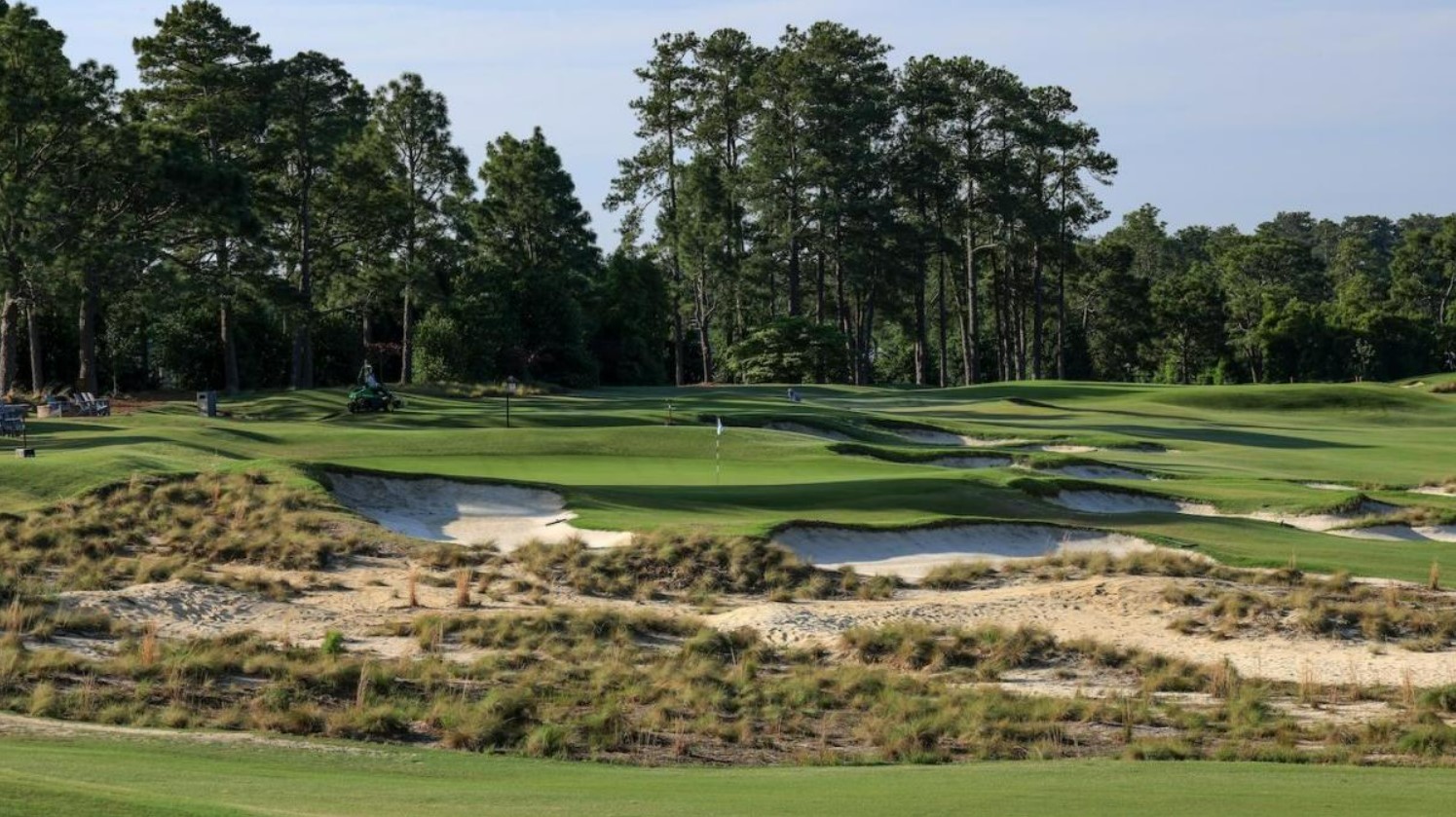
We are presented with a unique challenge at the historic Pinehurst No. 2, a Donald Ross-designed marvel that demands precision and strategic foresight. Known for its firm fairways and deceiving greens, the course demands more than just skillful swings; it requires a mental acumen that embraces the unpredictable nature of its landscape. The inclusion of additional wiregrass and sandy scrub hazards along the periphery of these fairways introduces a new layer of complexity to an already demanding course.
Strategic Decisions on the Putting Surface
The revered Texas Wedge strategy comes into play significantly at Pinehurst No. 2, where conventional approaches to the green can often lead to unfavorable outcomes. The infamous domed greens, a hallmark of this course, pose a particular challenge, rejecting straightforward shots and rewarding those who skillfully manage the greenside roll-offs. As we approach the event, the emphasis on minimizing poor shots and maximizing strategic putts cannot be overstated.
The 2014 U.S. Open Highlights and Legacy
The 2014 U.S. Open at Pinehurst No. 2 remains a highlight in the annals of golf, particularly due to the astounding performance by Martin Kaymer. His mastery in navigating the sandy waste areas and his ingenious use of the putter off the greens underscored a less-is-more approach that proved to be highly effective. The tournament also stood out because of the stark “brown is beautiful” aesthetic, embraced by the USGA, signaling a move towards more sustainable, less manicured course conditions.
Bill Coore and Ben Crenshaw’s Visionary Restoration
The restoration led by Bill Coore and Ben Crenshaw restored the raw, sandy, and bouncy characteristics that are quintessential to Pinehurst No. 2. Their vision was to reintroduce the natural elements that had been gradually overtaken by efforts to modernize the course. By reducing the irrigated areas and embracing the natural sandy base, the course now presents a more authentic and challenging experience, aligning perfectly with Ross’s original design principles.
The Role of Ultradwarf Bermuda Greens in Today’s Game
A significant change in the course’s layout since the last major tournament here includes the transition to Ultradwarf Bermuda greens. This grass type not only complements the sandy landscape aesthetically but also plays a crucial role in the overarching strategy for the game, especially under the hot North Carolina sun. The firmer and faster greens produce more challenging plays, making accuracy on the initial approach even more crucial.
Frequently Asked Questions (FAQs):
What strategic adjustments are commonly made at Pinehurst No. 2?
Players often opt to use the Texas Wedge from off the greens and focus on positioning the ball to avoid severe roll-offs and challenging bunker traps.
How did the Coore and Crenshaw restoration impact the course?
The restoration expanded the fairways and reintroduced natural sand features, making strategic play crucial for navigating the course effectively.
What is the main challenge of the Ultradwarf Bermuda greens?
These greens are less receptive to high-impact shots, requiring players to use a more calculated approach to manage the bounce and roll typical of this grass type.
Why is Pinehurst No. 2 considered a significant challenge in the U.S. Open?
The course demands a blend of precise shot-making, strategic thinking, and mental toughness, thanks to its tough greens, strategic bunker placement, and the penalty for missed fairways.
Leave a Reply