
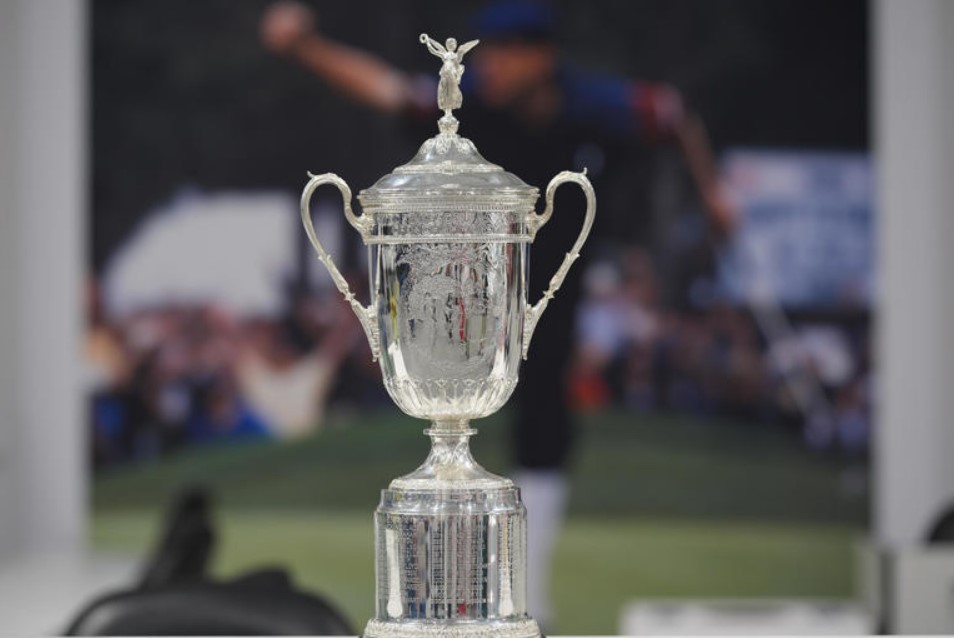
We delve into the substantial prize monies awarded at the recent U.S. Open, highlighting significant earnings including the record-breaking $4.3 million secured by Bryson DeChambeau. His victory, celebrated uniquely with chocolate milk, underscores a notable moment in U.S. Open history, where the prize distinctions were visibly impactful.
High Stakes and Missed Opportunities
The difference in earnings between top competitors was underlined by crucial moments, such as Rory McIlroy’s missed putts on key holes which resulted in a nearly $2 million discrepancy between first and second place. This goes to show how pivotal each stroke can be in the world of professional golf payouts, especially in an annual golf tournament as prestigious as the U.S. Open.
Golf Earnings Beyond the Top Players
While the spotlight often shines on the victors, players throughout the leaderboard have their share of the purse to claim. Jackson Suber, entering as the last man, ended in 73rd place but earned $39,113. It’s an illustrative figure of professional golf payouts, even for those finishing towards the end. Meanwhile, amateur golfer Neal Shipley’s experience exemplifies the blend of monetary and experiential value, having tied for 26th but not receiving the professional prize of $153,281.
Understanding the U.S. Open Prize Money Breakdown
The total purse of $21.5 million was distributed among those who made the cut, reflecting a diverse spread of earnings. At Pinehurst No. 2, from the top earner to professionals ranked lower, every stroke played had a financial implication, outlining a complex landscape of earnings.
Detailed Earnings Analysis
Player performance comparison reveals significant prize differences. For instance, players who tied for third places like Patrick Cantlay and Tony Finau, each walked away with $1,229,051. On the other end, figures gradually decreased down the leaderboard with those tying for lower ranks like the 32nd spot earning $110,894 each, showing a layered structure of golfer earnings report.
Impact on Amateur and Professional Golfers
The dynamics at Pinehurst No. 2 also highlighted varying experiences for amateur and professional golfers. Amateurs, while not earning money, gained invaluable experience against a backdrop of significant professional stakes, marking contrasts in amateur golfers’ experience versus professionals in similar scenarios.
Frequently Asked Questions (FAQs):
What was the highest earning at the U.S. Open?
Bryson DeChambeau earned the top payout of $4.3 million, the highest in U.S. Open history to date.
How does the U.S. Open prize distribution vary across rankings?
The prize money breakdown adjusts incrementally; higher rankings secure exponentially larger portions of the purse. Lower rankings, while receiving smaller amounts, still gain substantial sums, highlighting the competitive nature of golf tournament earnings.
What role do amateurs play in the U.S. Open?
Amateurs participate for the experience and exposure to top-level golf, enhancing their performance capabilities without the financial benefits professional players receive.
Leave a Reply