
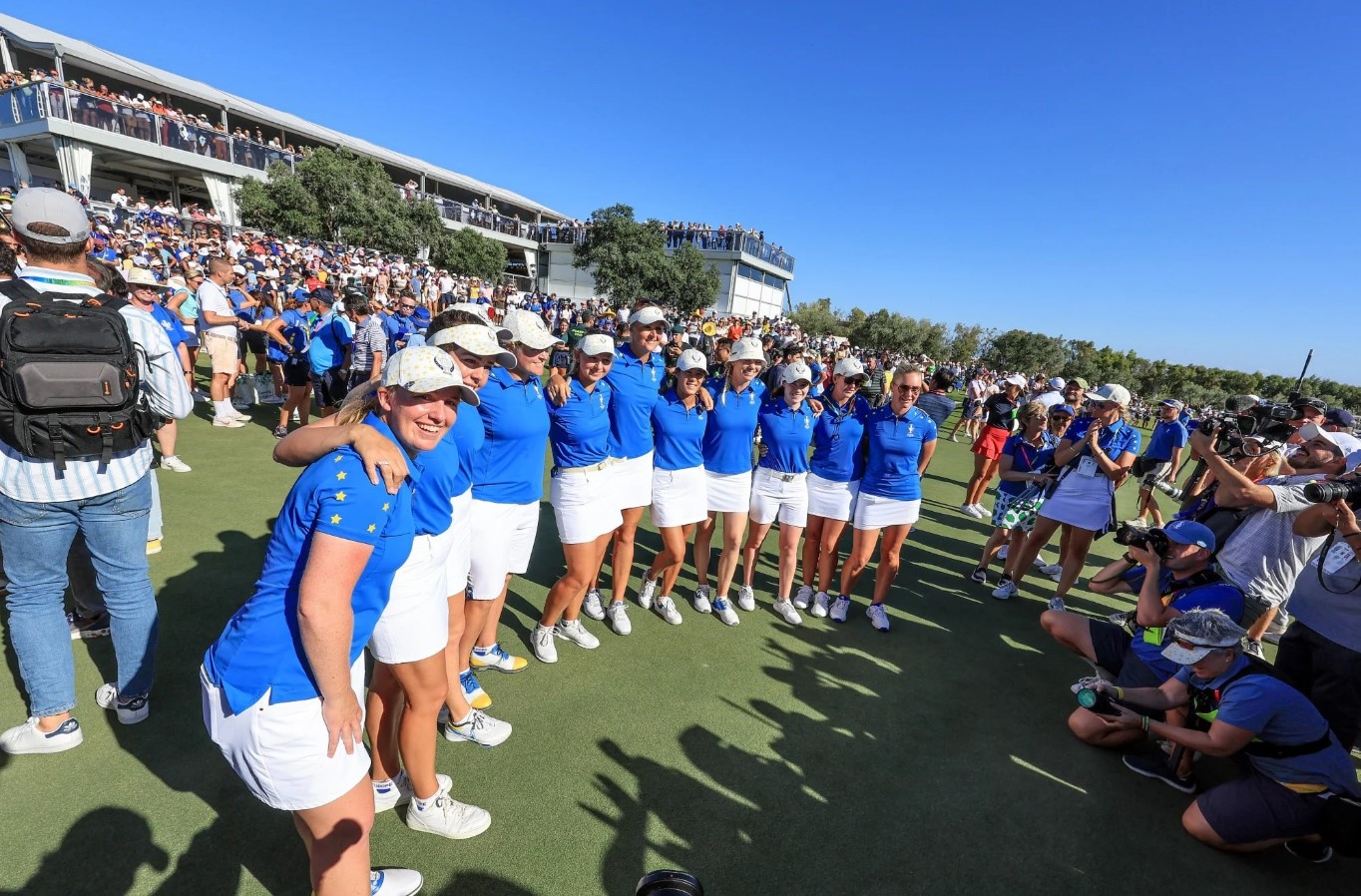
As we approach the Solheim Cup at Virginia’s Robert Trent Jones Golf Club, the excitement is palpable. The 2024 Solheim Cup promises a showcase of top-tier talent from the U.S. and Europe, highlighting the prowess and strategic acumen of the world’s best women pros. Key players such as Dottie Pepper, Christina Kim, Laura Davies, and Carlota Ciganda are expected to bring depth and competitive spirit to their respective teams.
The Significance of Geography in Player Performance
Distinct geographical advantages are apparent, with players from California and Florida significantly influencing past Solheim Cups with their skill sets and climatic adaptability. Notably, Paula Creamer and Pat Hurst from California have maintained impressive win percentages, illustrating the importance of regional training grounds in shaping player performance in international tournaments.
European Powerhouses: A Blend of Experience and Victorious Clutch Plays
Within Team Europe, England and Sweden stand out with an exemplary roster. Notable athletes like Charley Hull and Anna Nordqvist bring a blend of youthful energy and veteran insights, contributing richly to Europe’s strategic plays. The likes of these players, coupled with their significant Solheim Cup experience, make them indispensable during high-stakes matches.
The Strategic Advantage of Clutch Players
Clutch players, who excel under pressure, often turn the tide in favor of their team. For instance, Scotland’s Catriona Matthew and Janice Moodie have shown remarkable resilience and performance under pressure, contributing critical points during pivotal matches. Similarly, Spain’s Carlota Ciganda and Beatriz Recari leverage their aggressive playing styles to secure essential wins for Team Europe.
The Role of Veteran Insights in Team U.S.
The U.S. team benefits significantly from the experiences of players like Cristie Kerr and Morgan Pressel. Their leadership and deep understanding of the Solheim Cup’s pressures and demands equip their teammates with the strategic depth necessary for navigating the complexities of match plays and foursomes.
Emerging Talents to Watch
Emerging stars such as Nelly Korda and Angel Yin also promise to inject vibrancy and fearless golf into the U.S. squad. They bring not just skill but a fresh perspective on handling the intricacies of four-ball matches, which may prove pivotal in close contests.
The Crucial Role of Regional Representation
Players like Brittany Lang from Texas bring regional pride and distinct styles, potentially swinging momentum in critical sessions of the game. Such diversity not only enriches the team’s skills pool but also introduces varied tactical approaches depending on their formative playing environments.
Nurturing a Legacy: Massachusetts and South Carolina Contributions
In states like Massachusetts and South Carolina, players like Beth Daniel and Brittany Altomare have contributed consistently, reflecting the enduring legacy and ongoing development of golf talent in these regions. This tradition of nurturing skilled players plays a crucial role in maintaining competitive depth in the U.S. team.
Final Thoughts on Team Composition and Expected Outcomes
As both teams prepare for the 2024 showdown, the mix of seasoned champions and spirited newcomers promises to make this Solheim Cup an unforgettable clash. The detailed preparation and strategic selection of players from diverse geographies underscore the profound impact of local and international experiences in shaping global golf champions.
Frequently Asked Questions (FAQs):
What are some key tactical strengths of the U.S. team for the Solheim Cup 2024?
The U.S. team boasts a blend of experienced veterans like Cristie Kerr and Morgan Pressel, who bring valuable insights and leadership. Emerging stars such as Nelly Korda and Angel Yin add fresh energy and skill, enhancing the team’s versatility and strategic options.
How do regional backgrounds influence U.S. players’ performance in the Solheim Cup?
Regional backgrounds play a significant role, with players from states like California and Florida often excelling due to their training environments and adaptability. For example, Paula Creamer and Pat Hurst from California have demonstrated strong performance influenced by their regional golf culture.
Which players are considered clutch performers for the U.S. team, and why?
Clutch performers like Cristie Kerr and Morgan Pressel are known for their ability to deliver under pressure, making them crucial in high-stakes matches. Their experience and composure in critical moments are expected to be pivotal in securing crucial points for the team.
Leave a Reply