
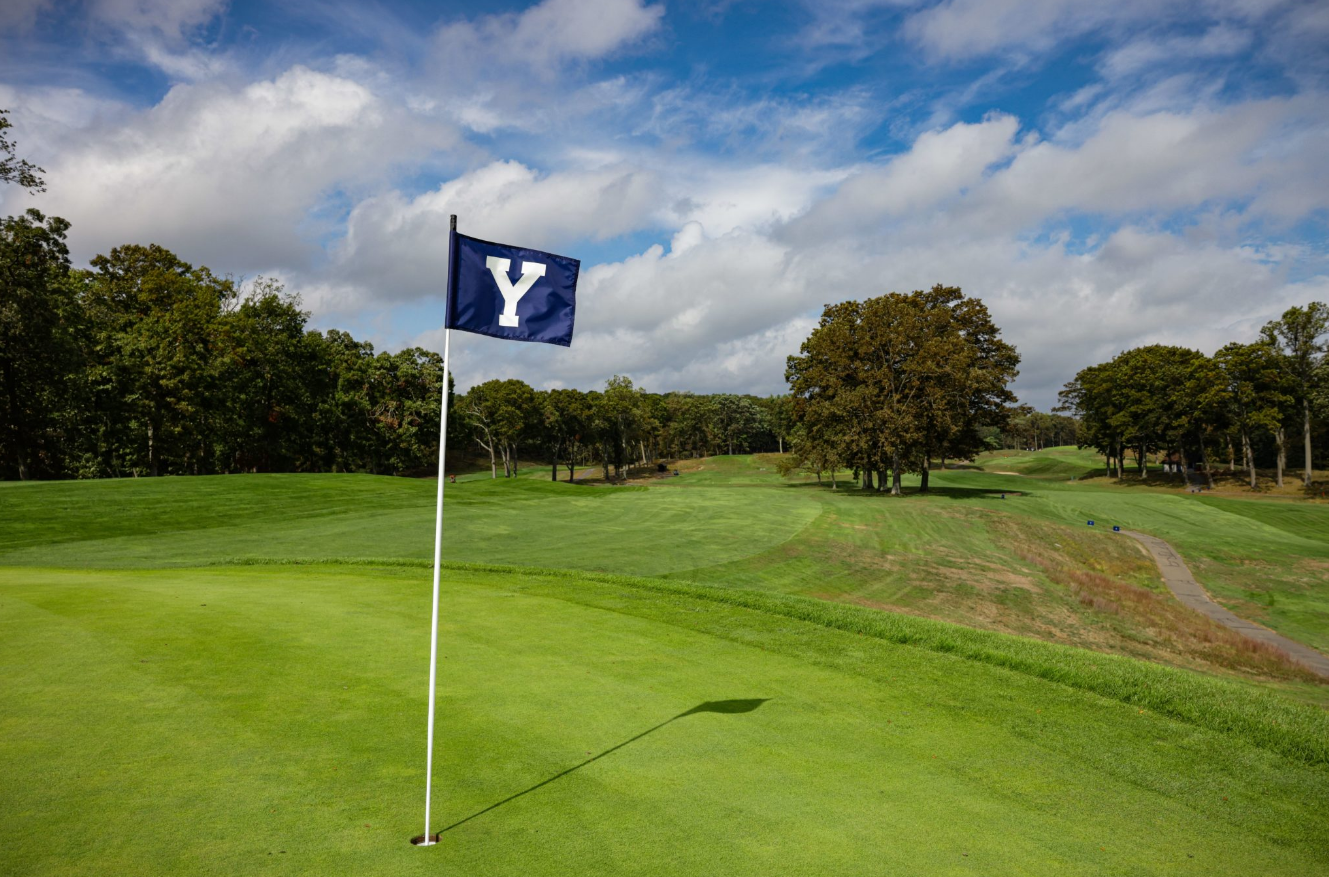
The Yale Golf Course, a prestigious century-old course in New Haven, Connecticut, has recently received approval from the city planning commission for its upcoming restoration project. This renowned course, designed by C.B. Macdonald and Seth Raynor, is currently ranked as the top college campus course by Golfweek’s Best. The restoration will bring the course back to its original glory, capturing the essence of its historical significance.
Preserving the Legacy
While the restoration project seeks to revive the course’s original design, it also comes with a significant hurdle. The plan includes the removal of up to 1,500 mature trees, a decision that has caused delays and sparked considerable discussions. However, with the recent approval from the city planning commission, the project has gained momentum and is set to move forward.
Golfweek’s Best Recognition
The Golfweek’s Best rankings serve as a testament to the outstanding quality and reputation of Yale Golf Course. In the latest rankings released in 2022, the course claimed the coveted No. 1 spot among college campus courses. Golfweek’s Best focuses exclusively on courses affiliated with colleges or other campuses, using comprehensive data from Golfweek’s extensive course rankings database to determine the rankings.
Yale Golf Course has been the site of numerous prestigious golf events, including state championships, USGA Junior National events, NCAA Regionals, and the Nike Connecticut Open. Its rich history and challenging layout have attracted golfers from all over the country, solidifying its position as a top-tier golf destination.
A Commitment to the Community
Victoria Chun, the director of athletics at Yale, has emphasized the importance of being a good neighbor and fostering positive relationships with the local community. As part of this commitment, the golf course will be open to the general public, allowing everyone to enjoy its beauty and experience the game of golf. Additionally, the course has long been utilized by residents for recreational activities such as walking and sledding.
Looking towards the future, Yale intends to develop a cross-country skiing trail spanning 1.5 miles, providing residents with a delightful winter activity when snowfall is abundant. Moreover, the restoration project will address environmental concerns, including the removal of invasive plants and implementation of conservation measures. This will contribute to the reduction of water consumption by dredging the ponds on the course to increase storage capacity and employing a state-of-the-art computer-controlled irrigation system. As part of the project, tees, greens, bunkers, and fairways will be upgraded, accompanied by course lengthening, realignment of the golf cart path, and the establishment of 35 acres of native grasses.
Prioritizing Environmental Sustainability
In an effort to meticulously manage their vast collection of trees, Yale plans to enlist the expertise of an arborist. This professional assessment will provide valuable insights into the health and maintenance of the course’s tree population. With this knowledge, Yale will be able to develop a comprehensive management plan that ensures the preservation and sustainable growth of the course’s trees, respecting the natural beauty of the surrounding landscape.
______________________
Frequently Asked Questions (FAQs):
What is the current ranking of Yale Golf Course?
Yale Golf Course is currently ranked as the No. 1 college campus course according to Golfweek’s Best.
What historical events have taken place at Yale Golf Course?
Yale Golf Course has hosted significant events such as state championships, USGA Junior National events, NCAA Regionals, and the Nike Connecticut Open.
Will the restoration project benefit the local community?
Yes, the restoration project aims to be a positive force for the community. Residents will have continued access to the course for activities such as walking, and a cross-country skiing trail will be developed for winter enjoyment.
What environmental measures are being implemented during the restoration?
The restoration project includes the removal of invasive plants and conservation measures to reduce water consumption. Additionally, the course will benefit from enhanced storage capacity in the ponds and the installation of a computer-controlled irrigation system. Native grasses will also be planted, promoting biodiversity and ecological sustainability.
How will the trees on the course be managed?
An arborist will be engaged to assess the health and conditions of the trees. This evaluation will guide the development of a comprehensive management plan to ensure the preservation and sustainable growth of the course’s tree population.
Leave a Reply