

The recent departure of Jon Rahm from the PGA Tour has raised questions about the direction of professional golf and the influence of LIV Golf, a league backed by the Saudi Arabian Public Investment Fund (PIF). While some may view Rahm’s decision as an act of greed, it is important to examine the broader implications for both the PGA Tour and LIV Golf.
Rahm’s move to LIV Golf represents a strategic political maneuver rather than a simple player transfer. The PIF’s chief bagman, Yasir Al-Rumayyan, has effectively delivered a blow to the PGA Tour just as negotiations are underway regarding the Tour’s future relationship with private equity and PIF’s potential involvement. By acquiring Rahm, Al-Rumayyan has demonstrated his ability to lure top players away from the Tour, making it clear that he can be a formidable adversary.
The departure of Rahm highlights a significant weakness in professional golf: its reliance on member organizations with players who are not contractually bound. In an environment where cash offers hold considerable sway, loyalty often takes a backseat. Many players have shown that their commitments are not worth much, tarnishing the integrity of the sport.
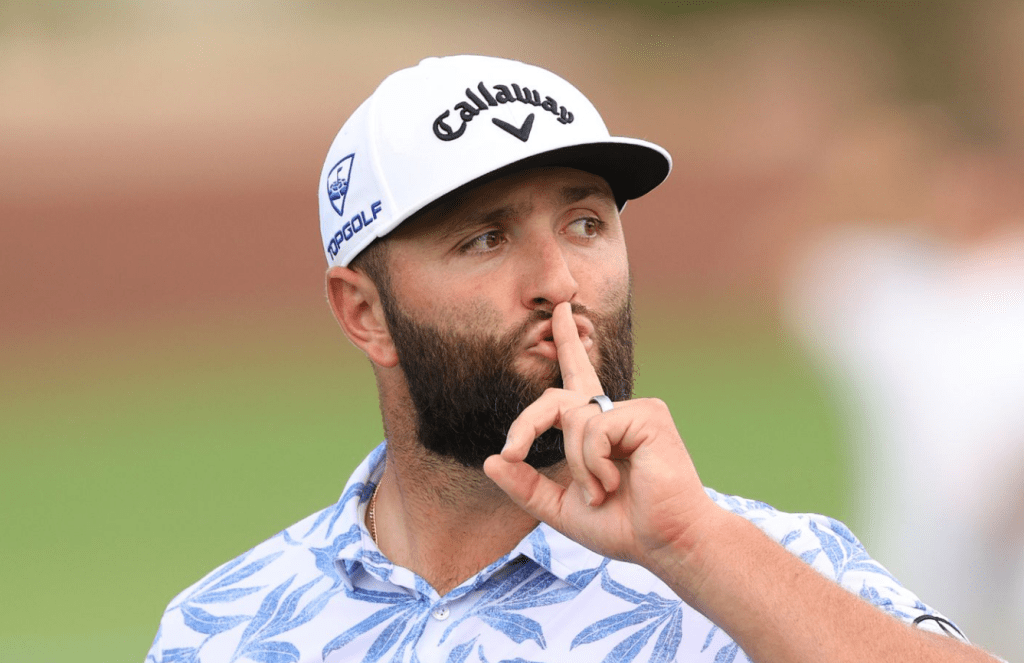
Unlike other LIV Golf players who have faced excommunication and scorn from their former Tour colleagues, Rahm is likely to be spared such treatment. He is a highly competitive player and well-liked within the golf community. Moreover, his departure could have a greater impact on the internal debate within the PGA Tour than on LIV Golf itself. Players like Dustin Johnson, Brooks Koepka, Bryson DeChambeau, and Phil Mickelson have been successful in engaging fans without boosting LIV Golf’s audience. Rahm’s move may be less of a game-changer for LIV Golf and more of a catalyst for the Tour to reevaluate its relationship with PIF.
Critics may accuse Rahm of hypocrisy, given his previous remarks about LIV Golf and its format. However, it is important to recognize the PGA Tour’s own role in enabling players’ moves to LIV Golf. The Framework Agreement signed on June 6 not only shattered trust between Tour leaders and members but also legitimized the Saudi influence in golf, effectively signaling to players that it was acceptable to explore opportunities with LIV Golf. The Tour’s failure to uphold a standard of loyalty has given players the freedom to make their own choices.
It is clear that the PGA Tour is facing significant challenges in sustaining its current business model. Many players now believe their value is far greater than what the market dictates, paralleling the irrational spending of the Saudis. Some players even aspire to earn NBA or NFL-level money on the golf course, disregarding their level of engagement with fans and sponsors. The departure of sponsor Wells Fargo, which was unwilling to meet the increasing financial demands of players, should be a wake-up call for Tour members. The Tour must address the growing perception that greed is overshadowing the true worth of the sport.
In conclusion, Jon Rahm’s departure from the PGA Tour to join LIV Golf has wider implications for both organizations. While Rahm’s move strengthens LIV Golf’s position and weakens the PGA Tour politically, the impact on fan engagement and the sport’s overall trajectory remains to be seen. The Tour must confront the challenges posed by its members’ inflated monetary expectations and prioritize the long-term sustainability of professional golf.
______________________
Frequently Asked Questions (FAQs):
What prompted Jon Rahm to leave the PGA Tour?
Jon Rahm’s departure from the PGA Tour to join LIV Golf can be attributed to a combination of factors. These include the promise of a lucrative financial settlement, the appeal of innovative formats, and his desire to secure his family’s future.
How does Jon Rahm’s move impact LIV Golf?
Jon Rahm’s move to LIV Golf provides the league with a high-profile player and propaganda material to bolster its reputation. However, it remains to be seen how Rahm’s presence will translate into tangible benefits for LIV Golf in terms of audience traction and increased engagement.
What message does Rahm’s departure send to other PGA Tour players?
Rahm’s departure sends a clear message to other PGA Tour players that LIV Golf is a viable alternative and that the Tour’s loyalty standards may not be upheld. It may influence their decisions regarding potential moves to LIV Golf or other alternative leagues in the future.
Is the PGA Tour sustainable in its current form?
The PGA Tour is facing challenges in sustaining its current business model, particularly due to players’ inflated monetary expectations. The Tour must address these concerns and find a balance between financial stability, player satisfaction, and the overall value of the sport.
Leave a Reply