
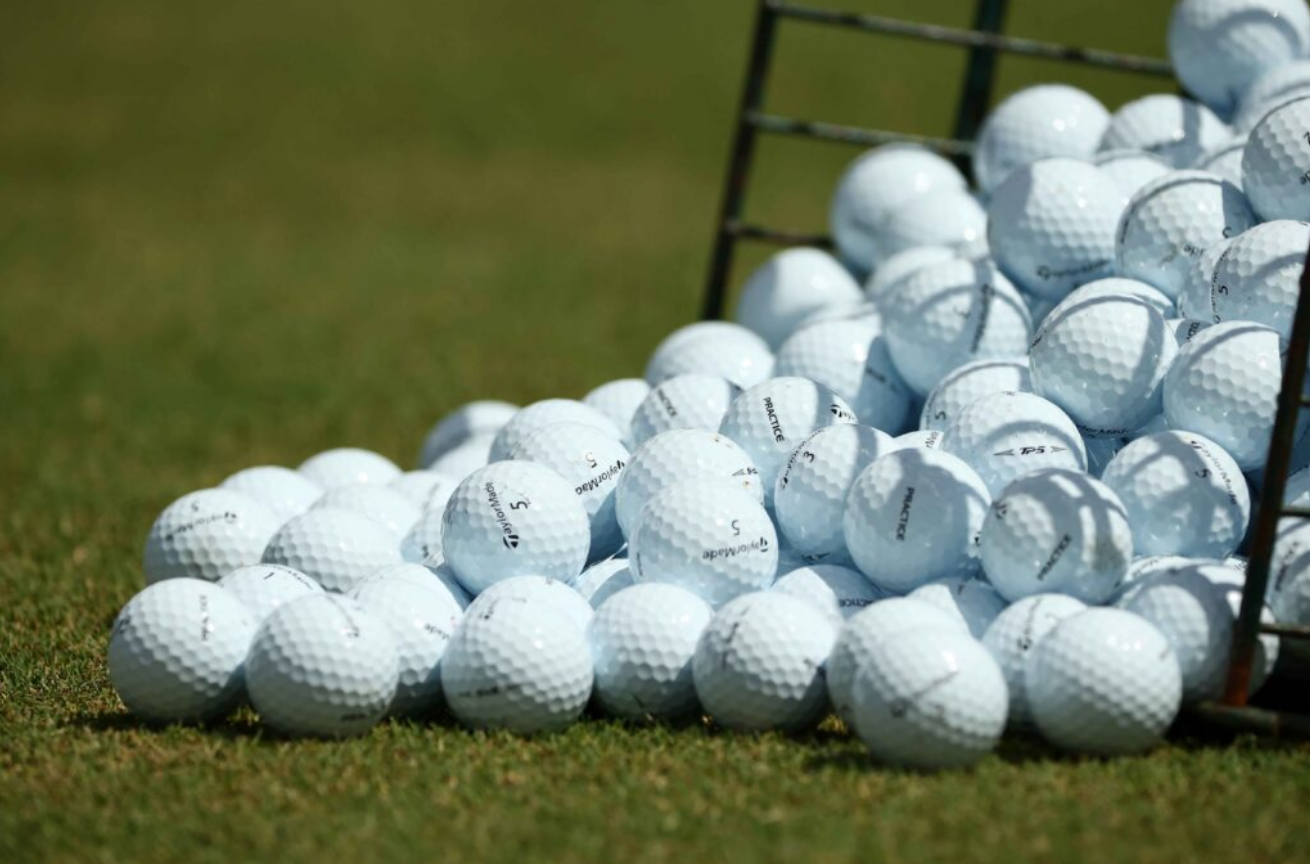
In an emergency edition of Tour Confidential, we delved into the USGA and R&A’s plan to roll back the golf ball for both professional and amateur players. This rollback plan, set to take effect in 2028 for professionals and 2030 for recreational golfers, aims to address the growing concern of excessive distance and its impact on the game. In this article, we will explore the rationale behind the golf ball rollback, the expected driving distance losses, the importance of preserving classic golf courses, and the often overlooked aspects of this decision.
Why is a Golf Ball Rollback Necessary?
The primary reason for the golf ball rollback is the unprecedented increase in driving distance among professional golfers. Extensive research conducted by the governing bodies indicates that if the current trends continue, pro golfers will be hitting the ball an astounding 340 yards in the air by 2044. While this may seem impressive, it raises concerns about whether the game should be accessible to amateurs and recreational players or limited to the elite few who can achieve such distances. By implementing the rollback, the objective is to slow down the direction top players are taking the game and make it more relatable and sustainable for all golfers.
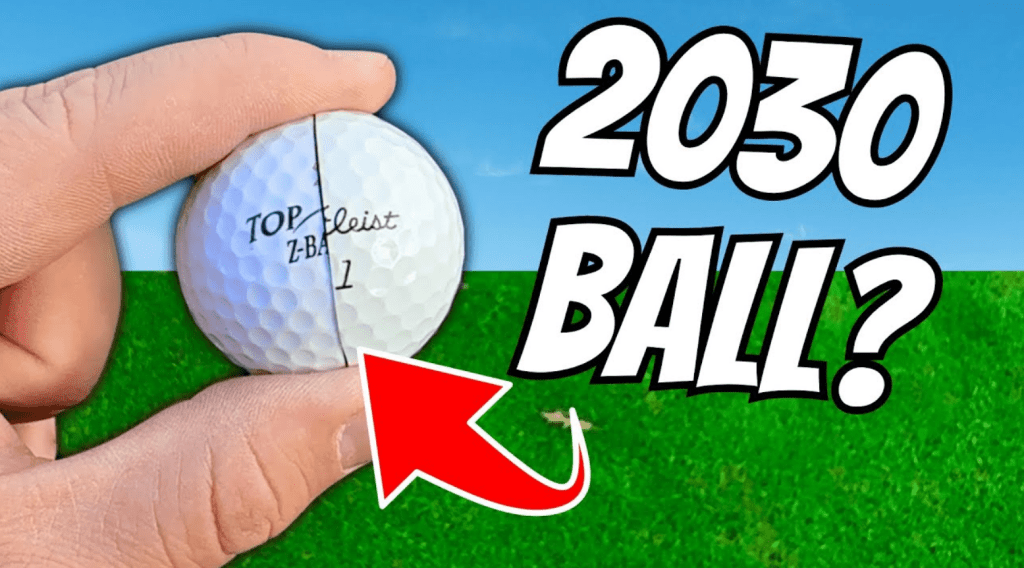
The Driving Distance Losses
According to the USGA and R&A’s research, the rollback is expected to result in varying driving distance losses for different categories of players. The longest professionals are projected to lose approximately 13-15 yards in driving distance, while average professionals and elite males would lose around 9-11 yards. LPGA players and average males with swing speeds of 93 mph or lower are estimated to lose 5-7 yards and 5 yards respectively. These driving losses have been carefully calibrated to strike a balance, ensuring that the game remains challenging for the top players without significantly altering the experience for the majority of golfers.
Preserving Golf’s Classic Courses
An essential part of the rollback plan is to prevent iconic golf courses from becoming obsolete due to the advancements in golf ball technology and the evolving equipment. USGA CEO Mike Whan has acknowledged the existence of a folder containing golf courses that are deemed unsuitable for hosting elite events. However, he clarified that the rollback is not meant to remove courses from this folder but to ensure that more courses do not end up in it. By curbing excessive distance, the rollback aims to preserve the integrity of these classic courses, allowing the U.S. Open and other prestigious tournaments to continue being played on hallowed grounds like Merion.
Overlooked Aspects of the Golf Ball Rollback
While the focus has primarily been on the driving distance and course preservation aspects of the rollback, there are other crucial factors that deserve attention. One such factor is the intrinsic selfishness that often permeates the reactions to this decision. Players, both professional and amateur, should try to think beyond their individual interests and consider the long-term benefits for the game as a whole. The USGA and R&A, with their far-reaching vision, have taken a step towards ensuring the sustainable growth of golf.
Additionally, there are discussions underway regarding the limitations on driver forgiveness, which could potentially lead to a further balance between skill and distance. By incentivizing players to not solely rely on overpowering swings, the game can become more nuanced and strategic, rewarding players who possess a well-rounded set of skills.
______________________
Frequently Asked Questions (FAQs):
What is the objective of the golf ball rollback?
The golf ball rollback aims to address the issue of excessive distance in professional and amateur golf by slowing down the progression of driving distances.
How will the rollback impact driving distances?
The projected driving distance losses vary across different player categories. The longest professionals may lose around 13-15 yards, while average professionals and elite males could experience a loss of 9-11 yards. LPGA players and average males with swing speeds of 93 mph or lower are expected to lose 5-7 yards and 5 yards respectively.
Will the rollback make classic golf courses playable again?
The rollback, combined with careful course setup, aims to preserve classic golf courses by preventing them from becoming obsolete. While some alterations may still be necessary, the goal is to strike a balance that maintains the integrity of these revered venues.
What are the overlooked aspects of the golf ball rollback?
In addition to driving distance and course preservation, it is essential to consider the overall benefits for the game and the need for a balance between skill and distance. The golf community should look beyond immediate concerns and recognize the long-term advantages of this decision.
_
Conclusion
The USGA and R&A’s decision to rollback the golf ball reflects their commitment to maintaining the integrity of the game and ensuring its sustainable future. By addressing the issue of excessive distance, the rollback aims to strike a balance between skill and technology, allowing golf to remain a holistic test of abilities. While there may be differing opinions and concerns surrounding this decision, it is crucial to acknowledge the broader perspective and the positive impact it can have on the future of golf.
Leave a Reply