
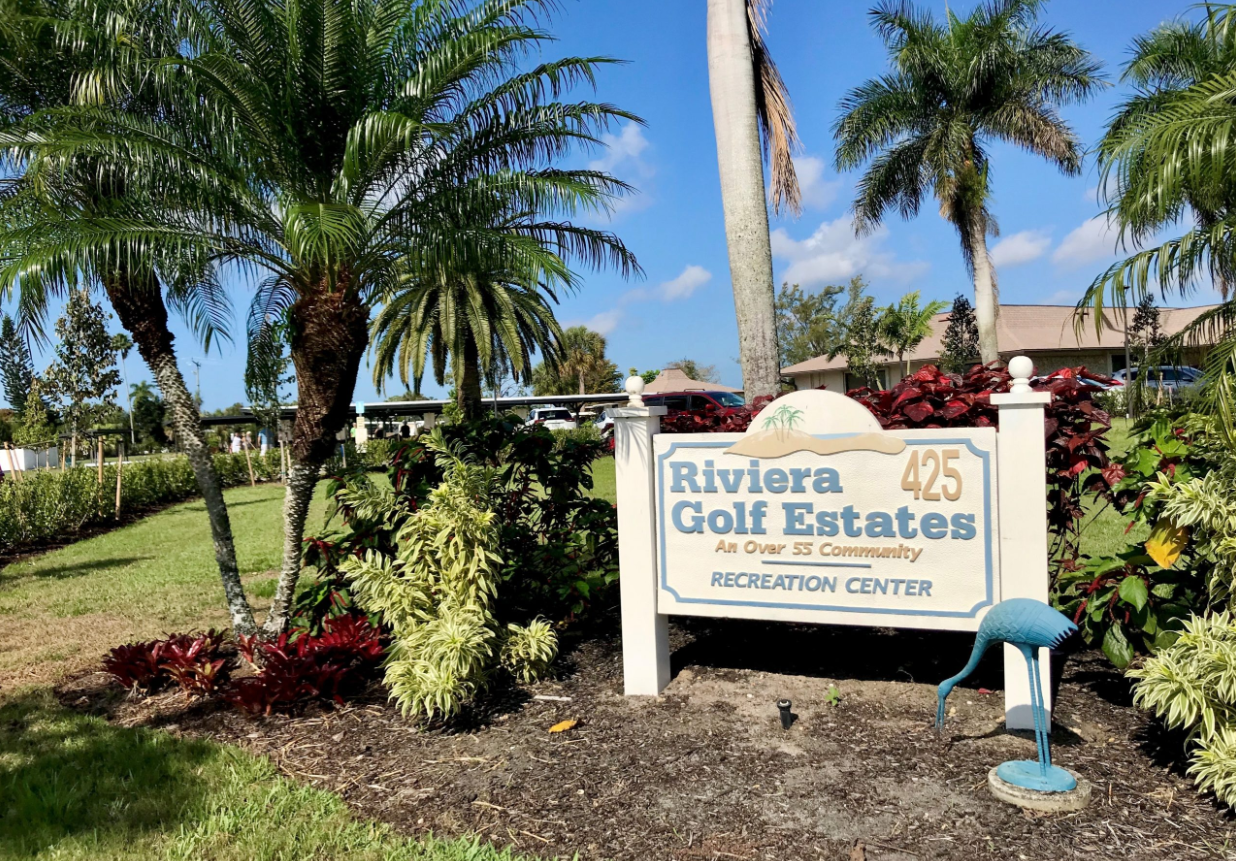
In a recent decision, Collier commissioners have rejected a proposed settlement that could have saved the Riviera Golf Course in East Naples from development. This comes after a straw poll conducted within the surrounding community, which revealed that an overwhelming majority of residents did not support the terms of the potential compromise.
The opinion poll asked residents of Riviera Golf Estates whether they supported the establishment of a special district to purchase and maintain the closed golf course as passive, open recreational land. The funding for this would have come from annual assessments divided among the lot owners in the community, based on their benefits. Out of the 475 individuals who responded to the survey out of the 690 sent out, 415 – accounting for over 87% – answered “no.”
Upon hearing the results, Commissioner Dan Kowal expressed that moving forward with the settlement based on the “voice of the people” did not make sense. He recommended that the commission “move on” and not consider establishing a special taxing district. This motion was seconded by Commissioner Burt Saunders and was unanimously approved.
The settlement offer arose from a mediation hearing held last spring involving lawyers for the county, the developer, and representatives from the Riviera Golf Estates homeowners association. It had the potential to resolve a $14 million property rights claim and prevent a lawsuit from moving forward. The development plans put forth by La Minnesota Riviera LLC for the 94-acre site were contested under Florida’s Bert Harris property rights act, alleging that the county’s rules for rezoning golf courses had placed an inordinate burden on the developers.
Although the settlement offer has now been rejected, Tricia Campbell, president of the Riviera Golf Estates Homeowners Association, explained that the collective negative vote primarily stemmed from the lack of cost sharing for the settlement and the required repairs to the drainage system. Campbell stated that the association’s board believed a modified proposal that adjusted the property acquisition cost to reflect its appraised value as an undevelopable floodplain and golf course would have received a more favorable response from the residents.
In 2018, a majority of residents within the 55-plus community had voted to pursue negotiations to purchase the golf course at a significantly lower price of $2.5 million to $3 million. However, the required super-majority vote based on community covenants prevented the effort from passing. The homeowners association subsequently obtained a certified appraisal in 2022, which valued the land at $2 million.
With the failed settlement, the possibility of a formal Bert Harris lawsuit against the county by the developers looms. If a lawsuit is filed, both parties would engage in a mandatory settlement mediation. Should mediation fail to result in an agreed-upon settlement, the county attorney would then request that La Minnesota directly present an offer to the county commission.
County Attorney Jeffrey Klatzkow highlighted that the property owner would need to purchase a couple of homes in Riviera and demolish them to create access for the proposed development. He noted that the county could employ a defensive move by purchasing those homes to impede the development.
Katie Berkey, an attorney for the homeowners association, implored the commissioners to consider alternative options for purchasing the golf course in partnership with the residents and their board. She urged them not to entertain any settlement that circumvents the county’s Growth Management Plan or public hearing process if it allows detrimental development to proceed.
The county has also decided to step up code enforcement in response to residents’ complaints about drainage problems and street flooding, attributed to the owners’ lack of maintenance. Emergency repairs have already been carried out to mitigate the situation. Moving forward, Commissioner Kowal emphasized the importance of actively monitoring the situation, involving code enforcement if necessary, to ensure that property owners fulfill their obligations.
Riviera Golf Estates resident Scott Soderstrom, who is also a licensed professional engineer, believes that the negligence of the property owner necessitates major reconstruction of the land’s drainage system, including the replacement of deteriorated and poorly functioning pipes. He estimates the cost of repairs at $1 million to safeguard both the residents and Collier County.
In light of the rejected settlement, Tricia Campbell remains hopeful that the property can still be preserved in some way. She expressed her uncertainty about the next steps but emphasized the community’s optimism in finding a reasonable plan to save their floodplain.
______________________
Frequently Asked Questions (FAQs):
What was the proposed settlement?
The proposed settlement aimed to establish a special district to purchase and maintain the closed Riviera Golf Course as passive, open recreational land. The funding for this would have come from annual assessments divided among the lot owners in the community. However, an overwhelming majority of residents did not support these terms.
Why was the settlement rejected?
The settlement was rejected due to the lack of cost sharing for the settlement and the required repairs to the drainage system. Additionally, residents felt that the property acquisition cost should reflect the appraised value as an undevelopable floodplain and golf course.
What are the next steps?
If the developers decide to file a formal Bert Harris lawsuit against the county, both parties will participate in mandatory settlement mediation. If mediation fails, the county attorney will request that the developers present an offer directly to the county commission.
Are there alternative options being considered?
Attorneys for the homeowners association have urged the commissioners to explore alternative options for purchasing the golf course in partnership with the residents and their board. They are advocating for a solution that upholds the county’s Growth Management Plan and protects the interests of the residents.
What will happen with code enforcement?
In response to residents’ complaints about drainage problems and street flooding, the county will step up code enforcement. The aim is to ensure that property owners fulfill their obligations and undertake necessary maintenance to prevent further issues.
Leave a Reply