
The Psychology Behind Golf Performance Anxiety
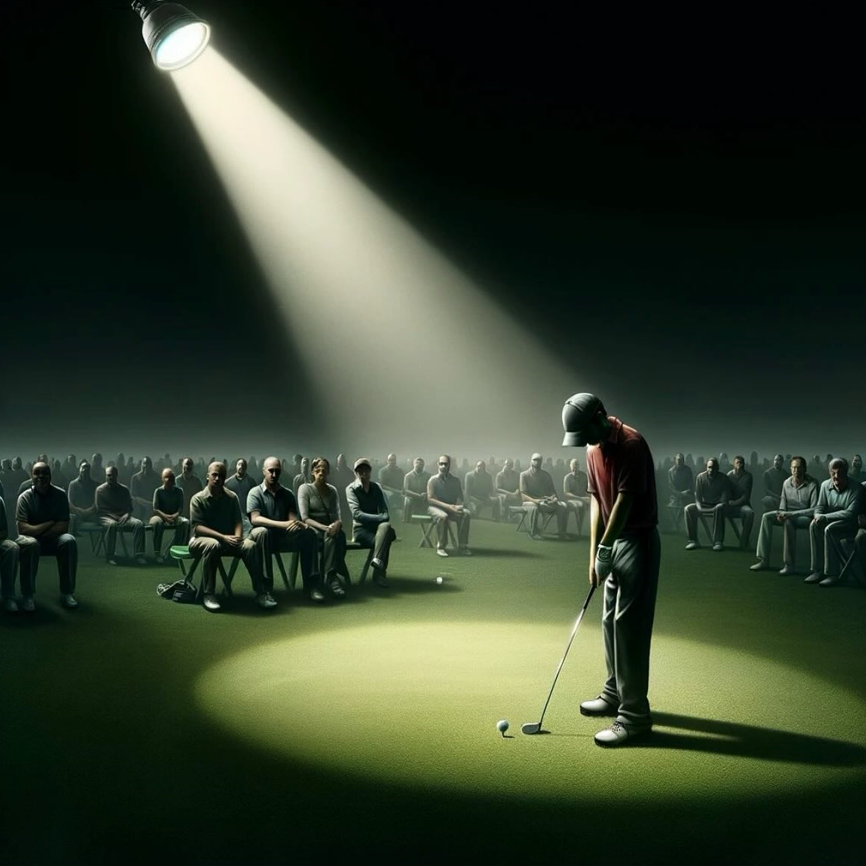
Have you ever experienced anxiety while performing around other golfers? If so, you may be a victim of the Spotlight Effect. This psychological phenomenon, defined as “the belief that one is being noticed more than they actually are,” can greatly impact your performance on the golf course. In this article, we will explore the Spotlight Effect and provide strategies for overcoming golf performance anxiety.
The Spotlight Effect in Golf
Competitive golf often intensifies the fear of being judged by others. Whether you’re playing in a local tournament or trying to qualify for a club championship, the added pressure of worrying about what your friends and peers think can negatively impact your game. The Spotlight Effect causes us to overestimate how much others notice our actions, behaviors, and appearance. However, studies have shown that people are not paying as much attention to us as we may think they are.
Understanding the Research Behind the Spotlight Effect
Researchers in 2000 conducted an experiment with college students to study the Spotlight Effect. Participants were asked to wear t-shirts with a large picture of Barry Manilow, who was considered uncool and embarrassing. The participants were then asked to estimate how many students noticed their shirts. The results showed a significant discrepancy between participants’ estimates and reality. This study confirmed that people do not notice or remember our actions as much as we believe they do.
Overcoming Golf Performance Anxiety: Tips and Strategies
Here are some strategies to help you overcome golf performance anxiety caused by the Spotlight Effect:
1. Shift Your Perspective
Remind yourself that most people are focused on their own game and are not closely observing your every move. Redirecting your focus away from what others might think will alleviate unnecessary pressure and allow you to play more freely.
2. Accept Your Thoughts
It is normal to experience thoughts of embarrassment or fear of judgment. Instead of scolding yourself for having these thoughts, accept them as part of the mental game. The key is to not let these thoughts affect your performance negatively.
3. Embrace Embarrassing Moments
Embarrassing moments are inevitable in golf, and they can be valuable learning experiences. Accepting that everyone goes through similar challenges will build mental resilience and help you bounce back quickly from setbacks.
4. Remember People’s Perspectives
Most people in your social circle want you to succeed and are rooting for you. The fear of disappointing others based on your performance is often unfounded. Taking pride in putting your game on the line demonstrates courage and should be celebrated.
5. Forgive Yourself
When mistakes happen, forgive yourself and let go of any negativity. Holding onto self-criticism and dwelling on errors will only impede your progress. Having the ability to laugh off mistakes and move forward will contribute to a stronger mental game.
_______________________________________________________________________________________
Frequently Asked Questions (FAQs):
What is the Spotlight Effect?
The Spotlight Effect is a psychological phenomenon where individuals tend to believe they are being noticed more than they actually are. In the context of golf, it refers to the fear of being judged or watched by others on the course.
How does the Spotlight Effect impact golf performance?
The Spotlight Effect can lead to golf performance anxiety, making players overly conscious of their performance and fearful of making mistakes. This anxiety can negatively affect focus, confidence, and overall game performance.
How can I overcome golf performance anxiety?
To overcome golf performance anxiety, it is essential to shift your perspective, accept your thoughts and emotions, embrace embarrassing moments, remember people’s perspectives, and practice self-forgiveness. By adopting these strategies, you can play with greater confidence and mental resilience.
Leave a Reply