
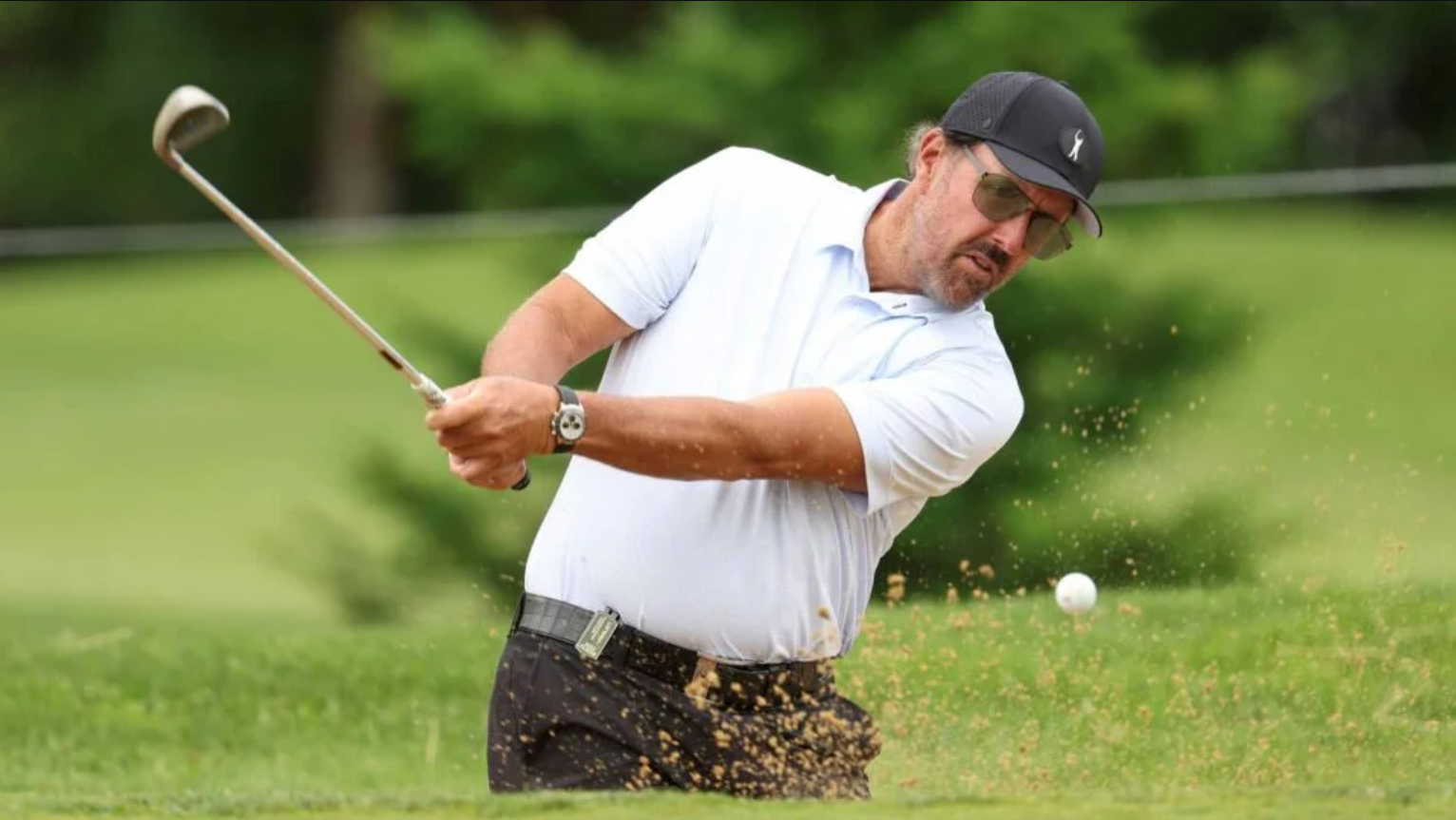
In the world of golf, few names carry the weight and expertise of Phil Mickelson. With six major championship victories under his belt, Mickelson has solidified his status as one of the greatest golfers of all time. While we may never be able to match his skill on the course, there are valuable lessons to be learned from his approach to the game. In a recent episode of GOLF’s Warming Up, Mickelson shared two critical variables that every golfer should understand to excel at shots under 100 yards.
The Importance of Warming Up
Mickelson recognizes the significance of a thorough warm-up routine before stepping onto the first tee. He emphasizes the need to stretch, activate muscles, and establish solid swing fundamentals. While amateurs might rush through a few holes, Mickelson invests ample time in preparation, aligning his body and mind for optimal performance.
The Key Variables: Distances and Reference Points
For Mickelson, dialing in shots under 100 yards revolves around precise distances and reference points. Before even heading to the course, he has established set numbers to guide his approach. These numbers are 30, 45, 60, 75, and 90, representing the yardages he aims to hit consistently.
Mickelson’s warm-up routine has evolved over the years. Instead of simply loosening up with a sand wedge, he now incorporates both a heavier and a lighter club. The heavier club helps build muscle strength, while the lighter one aids in activating the nervous system for faster response.
The Role of Backswing and Acceleration
One of Mickelson’s key insights is understanding the importance of backswing and acceleration for shots under 100 yards. While a full swing relies on a constant acceleration, shots within this distance require a different approach to achieve a soft landing. By adjusting both the backswing and acceleration, Mickelson ensures precise control over the ball flight and spin rate.
Implementing an Abbreviated Number System
Instead of following a clock-like system, Mickelson employs an abbreviated number system for his iron shots. Each iron has two numbers associated with it: one for a full swing and another for a shorter backswing. This adjustment of the backswing results in a lower spin rate and a lower flight, allowing for a shorter shot distance.
Building a Reliable Reference
Consistency is key for Mickelson, and he achieves it through repetition. By hitting thousands of balls each month to predetermined distances, he builds a reference for each club. This efficient practice routine instills confidence and enables him to replicate the desired shot distances.
_______________________________________________________________________________________
Frequently Asked Questions (FAQs):
How can I improve my performance on shots under 100 yards?
Focus on understanding your distances and reference points. Consistently practice with predetermined yardages to build confidence and consistency.
What is the significance of backswing and acceleration for shots under 100 yards?
Backswing and acceleration contribute to precise control over the shot. Adjusting both variables allows for softer landings and optimal ball flight.
How does Mickelson achieve consistency in his shots under 100 yards?
Mickelson implements an abbreviated number system, practicing with different backswing lengths for each iron. This technique ensures reliable shot distances.
–
Remember, mastery in golf requires discipline, practice, and a deep understanding of the game. By incorporating Phil Mickelson’s insights into your approach to shots under 100 yards, you can elevate your performance and gain a competitive edge.
Leave a Reply