
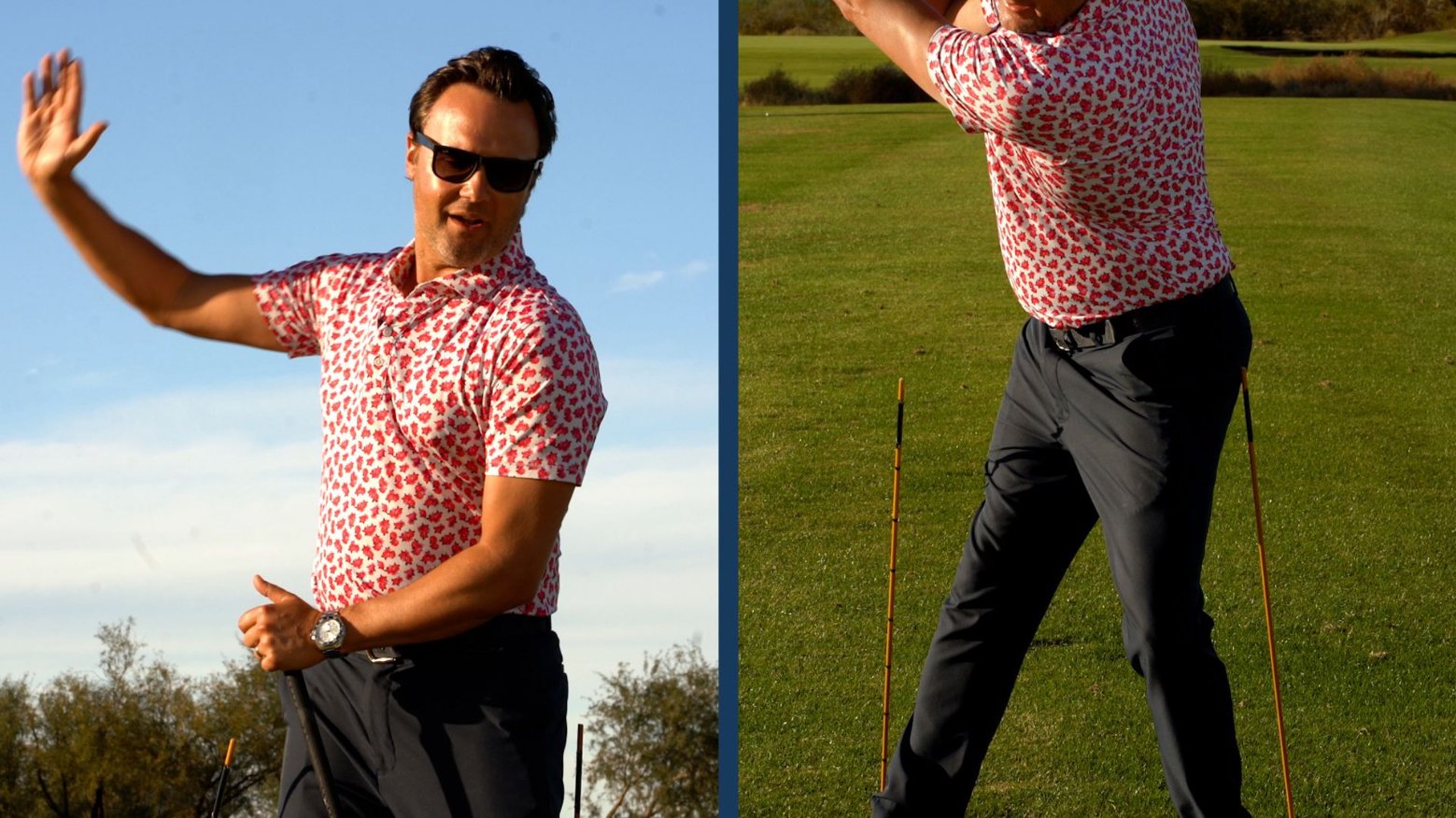
When it comes to improving your golf game, there are various factors to consider. One area that can have a significant impact is biomechanics. Golf biomechanics focuses on the body’s movement and its effect on swing speed, ball contact, and overall performance. In this article, we will explore three ways biomechanics can help maximize distance and improve ball contact for recreational golfers.
Correcting Lateral Movement for Better Weight Transfer
One common issue among recreational golfers is excessive lateral movement during the swing. Many golfers struggle to shift their weight properly and end up sliding or shifting laterally instead. This lack of weight transfer can negatively affect their swing and result in inconsistent ball striking.
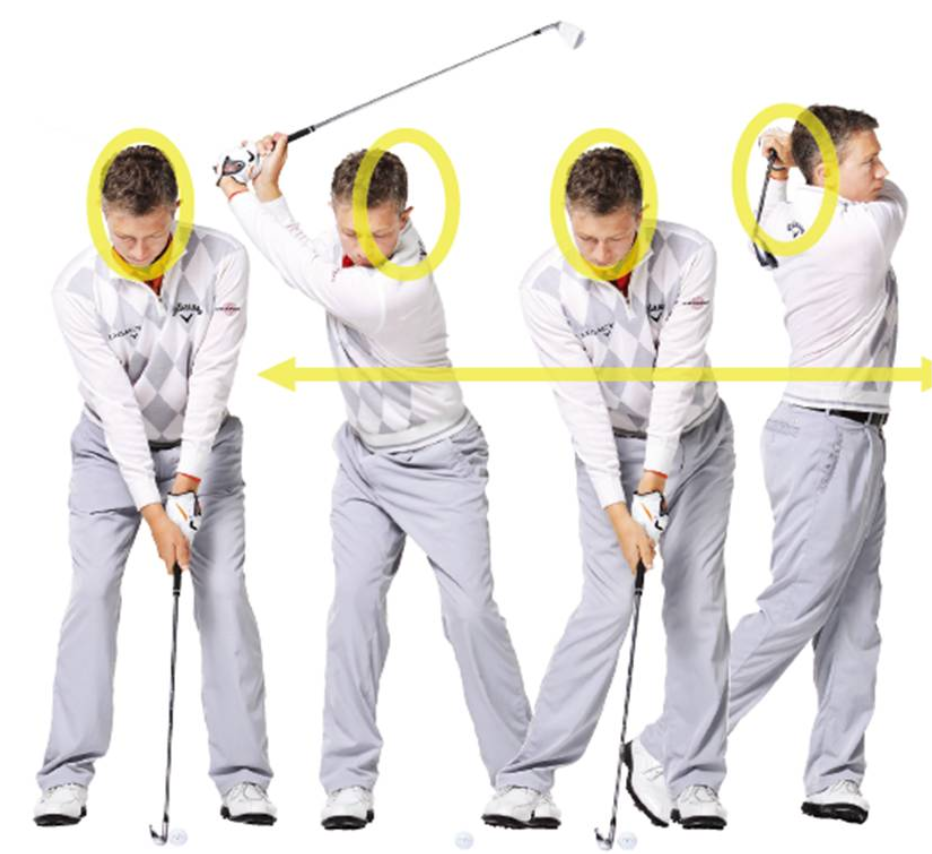
To address this problem, golf biomechanist Dr. Scott Lynn recommends a simple exercise. The golfer holds a club across their backside, with their hands in their setup position. A resistance band is attached around the shaft of the club on the lead side. This band provides resistance as the golfer tries to turn and post up on their lead leg.
By using the ground to create enough force to rotate through and post up into the lead leg, the golfer can improve their weight transfer and eliminate excessive lateral movement. The resistance band helps the golfer develop the proper feel and encourages the correct movement pattern. Regular practice with the resistance band can expedite the learning process and lead to better swing mechanics.
Eliminating Slide for Consistent Center Contact
Another common issue that affects ball contact is the tendency to slide or shift off the ball in the backswing. When a golfer slides off the ball, it disrupts their balance and prevents proper rotation through the ball. This often results in inconsistent strikes and decreased distance.
To address this issue, Dr. Lynn suggests using a simple yet effective cue. By placing a tennis ball cut in half under the inside of the trail foot, the golfer is encouraged to push and squash the ball with their big toe during the backswing. This cue helps maintain pressure on the whole trail foot, preventing excessive slide and improving center contact.
By focusing on maintaining pressure on the trail foot, golfers can stabilize their lower body and maintain their balance throughout the swing. This leads to improved consistency and better ball contact.
Squaring the Clubface for Increased Distance and Accuracy
The final aspect of biomechanics we’ll discuss is squaring the clubface. A common issue among golfers is having an open clubface at the top of the backswing and during impact. An open clubface can result in a slice and a loss of power.
To address this issue, Dr. Lynn suggests a visual cue that helps the golfer hinge their wrist properly and create a square clubface position. The golfer focuses on making the logo on their golf glove stretch away from the face of their watch as they take the club away. This cue encourages the golfer to flatten their lead wrist and hinge their right wrist, resulting in a squared clubface throughout the swing.
By squaring the clubface, golfers can hit more consistent shots with increased distance and accuracy. The visual cue provided by Dr. Lynn helps golfers understand and incorporate this key aspect of the swing.
_______________________________________________________________________________________
Frequently Asked Questions (FAQs):
What is golf biomechanics?
Golf biomechanics is the study of the body’s movement and its impact on a golfer’s swing and performance. It focuses on analyzing body angles, joint forces, and muscle activity patterns to optimize the golf swing.
How can biomechanics improve distance and ball contact?
Biomechanics can improve distance and ball contact by addressing common swing faults and creating more efficient movement patterns. By correcting issues such as excessive lateral movement and open clubface positions, golfers can maximize their swing speed and achieve better ball contact.
Who can benefit from utilizing golf biomechanics?
Any golfer, regardless of their skill level, can benefit from incorporating golf biomechanics into their training. Whether you are a recreational golfer or a professional, understanding and optimizing your body’s movement can lead to improved performance on the course.
–
In conclusion, by utilizing golf biomechanics, golfers can enhance their swing speed, improve ball contact, and ultimately maximize their distance and accuracy. By addressing issues such as lateral movement, slide, and clubface position, golfers can make significant improvements in their game. So, take advantage of the insights and techniques provided by golf biomechanics experts like Tony Ruggiero and Mark Hackett, and start unlocking your full potential on the golf course!
Leave a Reply