
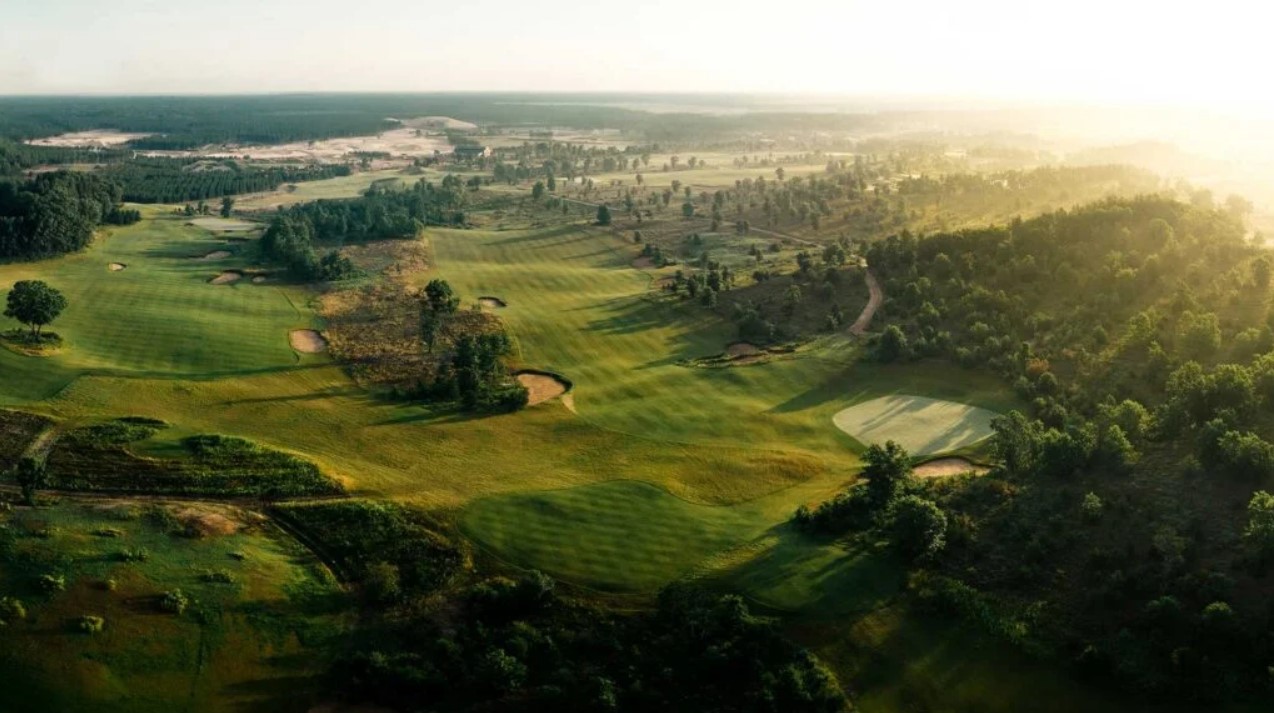
The world of golf-course architecture is constantly evolving, and the United States is no exception. While courses like Sedge Valley at Sand Valley Resort, designed by renowned architect Tom Doak, are making waves, there’s a growing demand for shorter and more efficient courses in the country.
Introducing Sedge Valley: Maximum Fun in an Efficient Time Frame
Sedge Valley, nestled in the beautiful landscapes of Nekoosa, Wisconsin, brings a breath of fresh air to the golfing landscape. This Tom Doak masterpiece measures under 6,000 yards but still manages to offer a challenging and diverse experience. What sets it apart is its ability to make players use every club in their bag, ensuring a comprehensive and stimulating round of golf.
Reviews of Sedge Valley have been nothing short of glowing. The course’s strategic design, tighter green-to-tee walks, and swift pace of play, with 18 holes completed in under four hours, have been well-received by golfers. Not only does this shorter course enhance the overall golfing experience, but it also significantly reduces maintenance costs.
A Paradigm Shift in Golf-Course Design
Shorter courses, ranging from 5,500 to 6,200 yards, have long been popular in England and Scotland. However, in the United States, they have been a rarity until now. Sedge Valley heralds a paradigm shift in the game, offering maximum fun within a time frame that suits today’s fast-paced world.
The rise of shorter courses can also be seen beyond Sedge Valley. Tucson, Arizona’s Rolling Hills Golf Club, with its perfectly lit 4,146-yard layout, provides a delightful and accessible golfing experience, even after sunset. Furthermore, a multitude of architects is helping reshape the landscape with their innovative designs. Bandon Dunes, Lake Oswego GC, Rogers Park, and The Clutch at South Seas resort are just a few noteworthy examples of the trend toward shorter and more engaging golf courses.
Florida’s Sand-Based Beauties
Florida, known for its stunning sand-based golf courses, continues to enhance its golfing repertoire in 2024. Coore-Crenshaw, the distinguished architectural firm, brings its expertise to the Palm Beach area with the second 18 at McArthur GC. Panther National, a highly anticipated collaboration between golf legends Jack Nicklaus and Justin Thomas, promises to be another unforgettable addition to Florida’s golfing landscape. And let’s not forget the Cabot brand, which brings its renowned golfing excellence to Florida with 57 holes at Cabot Citrus Farms.
Unforgettable Gems in the South
The southern states of Georgia and South Carolina also contribute to the rise of exciting golf-course architecture. Warmouth Sands in Georgia, a design by architect Mike Young, is set to capture the hearts of local golfers. Just across the border, the eagerly anticipated Old Barnwell, designed by Brian Schneider and Blake Conant, will officially open its doors in the spring. This feature-rich collaboration showcases the application of golden-age features in new and innovative ways, ensuring a memorable golfing experience.
In North Carolina, Pinehurst No. 10 takes center stage. Set across picturesque and undulating terrain, this course, with its thoughtfully crafted routing by Tom Doak, promises to be a true golfer’s delight. Angela Moser, the lead associate overseeing the build, displayed exceptional skill and efficiency by completing the project in just nine months.
Respecting and Restoring Golf’s Heritage
Across the country, major restorations continue to breathe new life into iconic golf courses. From Medinah and Colonial to East Lake and Interlachen, preservation and enhancement are at the forefront of these projects. The dedication of the architecture world ensures that these landmarks will continue to captivate and inspire golfers for generations to come.
_______________________________________________________________________________________
Frequently Asked Questions (FAQs):
What makes Sedge Valley Golf Course unique?
Sedge Valley stands out for its innovative design by renowned architect Tom Doak. Despite its shorter length of under 6,000 yards, the course offers a comprehensive golfing experience, requiring players to utilize every club in their bag. This paradigm shift in golf-course design ensures maximum fun within an efficient time frame.
Are there other notable shorter golf courses?
Absolutely! Shorter courses are gaining popularity worldwide. Rolling Hills Golf Club in Tucson, Arizona, offers a well-lit 4,146-yard layout for golfers to enjoy even after sunset. Bandon Dunes, Lake Oswego GC, and Rogers Park are among the other courses contributing to this trend. These courses provide an accessible and engaging golfing experience for players of all skill levels.
What can we expect from Florida’s golf courses?
Florida, renowned for its sand-based beauty, continues to raise the bar in golf-course architecture. The addition of Coore-Crenshaw’s second 18 at McArthur GC and the collaboration between Jack Nicklaus and Justin Thomas at Panther National promise to be exceptional contributions. Cabot Citrus Farms, with its 57 holes, further solidifies Florida’s position as a golfing paradise.
Which upcoming projects should we look forward to in the South?
In the South, Georgia’s Warmouth Sands and South Carolina’s Old Barnwell are highly anticipated additions to their respective golfing landscapes. These courses, with their unique designs and innovative features, will undoubtedly leave a lasting impression on golf enthusiasts.
Leave a Reply