
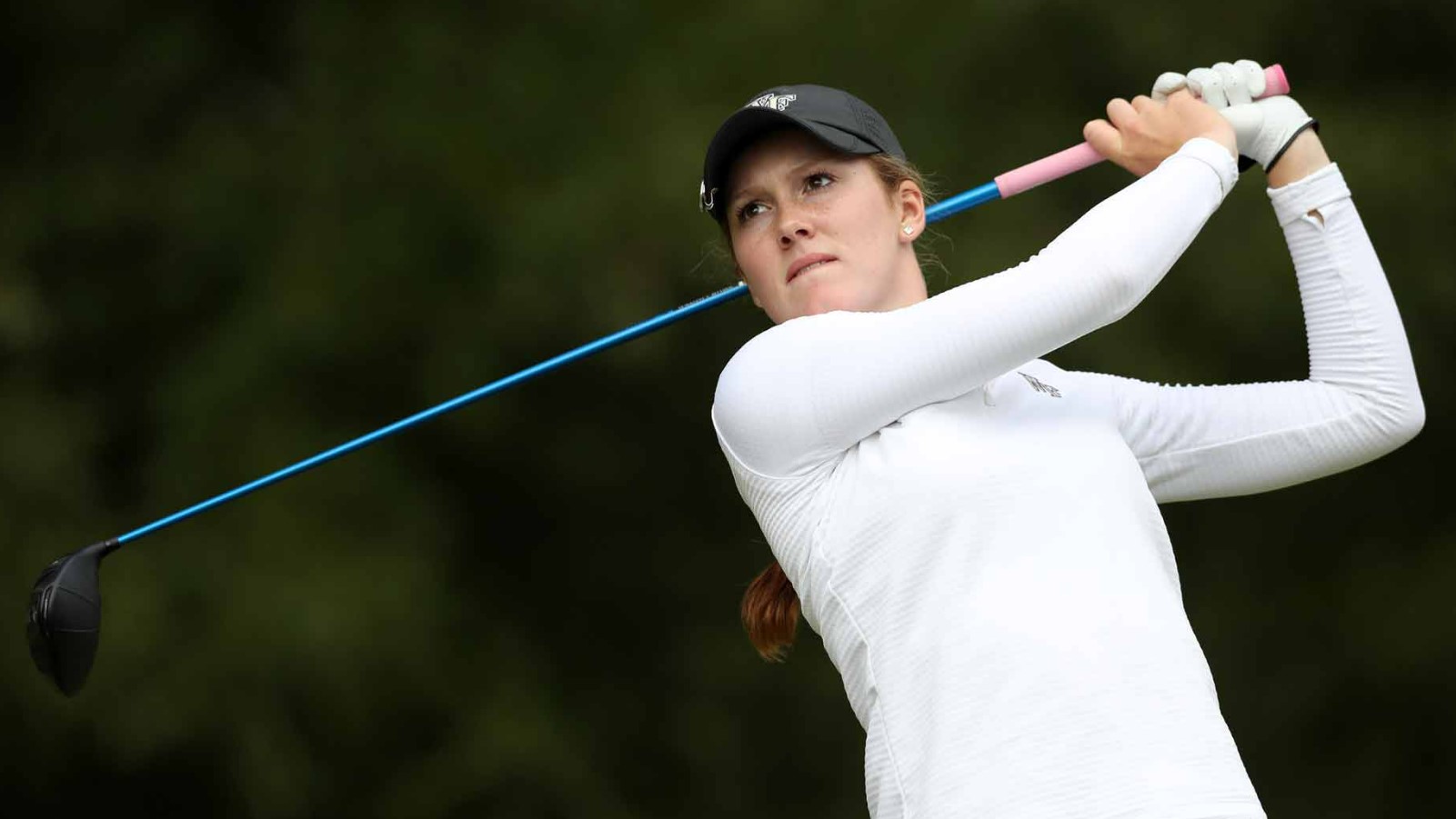
Emilia Migliaccio, an exceptional talent in the world of amateur golf, has made her mark not only as a player but also in the realm of television broadcasting. At 24 years old, Migliaccio is a married woman with a part-time amateur career that has defied expectations. Her recent qualification for the Augusta National Women’s Amateur (ANWA), for the fifth consecutive year, is a testament to her unwavering dedication to the sport.
However, Migliaccio’s journey to this point has not been a straightforward one. Despite the natural progression of her golf career towards the LPGA, she made a pivotal decision to forgo turning professional, following in the footsteps of NCAA champion Monica Vaughn. This conscious choice challenges the notion that every elite amateur must pursue a professional career.
Rachel Heck: A Path of Self-Discovery
Rachel Heck, the 2022 NCAA champion, has been another influential figure in the world of amateur golf. Amidst her pursuit of excellence on the golf course, Heck has faced a series of injuries and discovered additional passions outside of the game. It became evident to her that the lifestyle of a professional golfer, constantly on the road and in the public eye, did not align with her aspirations. The dreams of winning a U.S. Women’s Open or entering the LPGA Hall of Fame no longer captured her heart as they once did.
Notably, these aspirations were never originally instilled in Heck by her father, who introduced her to the game. Despite a disappointing finish at Champions Retreat, the strength and grace with which Heck handled the setback has inspired her peers and shed light on alternative paths within the sport.
The Impact of Choosing a Different Journey
The choices made by Migliaccio and Heck have sparked conversations that challenge the traditional narrative of professional golf as the ultimate professional goal. Their decisions have resonated with other young players, prompting them to question their own paths and seek fulfillment outside of the game.
For many aspiring professional golfers, financial considerations play a significant role in the decision-making process. The transition from college golf to professional tours often incurs substantial expenses, leading players to think twice about burdening their families with debt. The reality of the financial grind on the early years of a professional career is a deterrent for many young talents.
Finding Balance and Discovering Other Passions
Furthermore, the physical and emotional toll of a full-time professional career can create significant challenges. The isolation and loneliness experienced on tour have been acknowledged by Tour veteran Amy Olson as potential contributors to players’ struggles. The demanding nature of the sport can overshadow a player’s personal life and the pursuit of interests beyond golf.
In an era where specialization is increasingly common among young athletes, the exhaustion and burnout that can result from an early focus on golf are becoming apparent. The love for the game can wane as athletes become physically and emotionally fatigued. The experiences of Heck and Migliaccio offer a reminder that there is more to life than dedicating oneself entirely to a singular pursuit.
Frequently Asked Questions (FAQs):
Why did Emilia Migliaccio choose not to pursue a professional golf career?
Emilia Migliaccio made a conscious decision to forgo turning professional despite her success as an elite amateur. This choice aligns with the paths chosen by other accomplished amateurs like Monica Vaughn and Rachel Heck. Migliaccio’s reasons likely include considerations of personal fulfillment, opportunities in other sectors of the golf industry, and the desire to maintain a balanced lifestyle.
What impact has Rachel Heck’s essay had on the golfing community?
Rachel Heck’s touching essay outlining her decision to remain an amateur golfer has resonated with peers, parents, and aspiring golfers. Heck’s thoughtful explanation of her aspirations beyond professional golf has provided a valuable perspective and sparked important conversations about finding fulfillment off the course.
How does financial pressure influence aspiring professional golfers?
Financial considerations play a significant role in the decision-making process for young golfers weighing the option of turning professional. The expenses associated with pursuing a professional career, combined with the uncertainty of immediate financial returns, can lead players to hesitate and opt for alternative paths.
What challenges do young athletes face when committing solely to golf?
The dedication required to excel in golf can lead to physical and emotional exhaustion, affecting a player’s overall well-being and motivation. The pressure to specialize at a young age and the demanding nature of the sport can create a sense of burnout, causing athletes to reevaluate their relationship with the game.
Are there alternatives to a professional career in golf?
Absolutely. Choosing not to pursue a professional career in golf does not diminish one’s love for the game or their ability to compete. Amateur golf provides opportunities to continue playing at a high level while pursuing personal interests and maintaining a balanced lifestyle. Additionally, there are various avenues within the golf industry that offer fulfilling careers outside of professional competition.
Leave a Reply