
The golf ball universe is centered around Titleist’s dedicated research and development building, located at Acushnet HQ in Fairhaven, Mass. This remarkable facility consists of two main areas – offices in the front and laboratories in the rear. The laboratories are capable of carrying out any process conducted at Titleist’s nearby ball-making plants, albeit on a smaller scale. The offices and labs are connected by hallways, which not only serve as physical passageways but also function as a symbolic representation of the mantle layer, as they are adorned with approximately 1,500 patents related to Titleist golf balls.
One can’t help but notice that the most recent patent displayed is from 2018. However, this doesn’t indicate a lack of innovation from Titleist. Quite the opposite, in fact. Titleist has been at the forefront of intellectual property in the golf ball industry, having been awarded nearly half of all U.S. patents for golf balls over the past two decades. The company has simply run out of wall space to display these innovations.
Michael Madson, Titleist’s Vice President of golf ball R&D, explains, “We’ve been planning a renovation for some time now, which is why we decided not to update the walls further. Once we revamp the space, it will encompass all of our patents dating back to our very first in 1935.”
The patent-laden walls serve a purpose beyond aesthetics. They provide affirmation, inspiration, and an opportunity for reflection. Madson remarks, “When it comes to golf ball R&D, we have numerous groups focusing on various aspects such as aerodynamics, construction, materials, and manufacturing processes.” Madson’s boss, Mike Sullivan, holds an impressive record with over 1,000 U.S. patents to his name, ranking him 34th of all time, ahead of even Albert Einstein. Madson himself holds 164 patents, placing him among the top eight in the golf ball industry. “The patent wall highlights the critical role of every research project we undertake. It emphasizes that each endeavor is vital to our daily operations within R&D,” Madson adds.
Key Milestones and Innovations
Pro V1’s Game-Changing Evolution
Since the introduction of Titleist’s revolutionary Pro V1 golf ball in 2000, each of its 12 generational iterations has required a unique side stamp to conform with competition regulations. Titleist has utilized over 125 patents to develop and refine the Pro V1 throughout its various versions, solidifying its status as a game-changer in the industry.
Innovative Dimple Patterns with a Twist
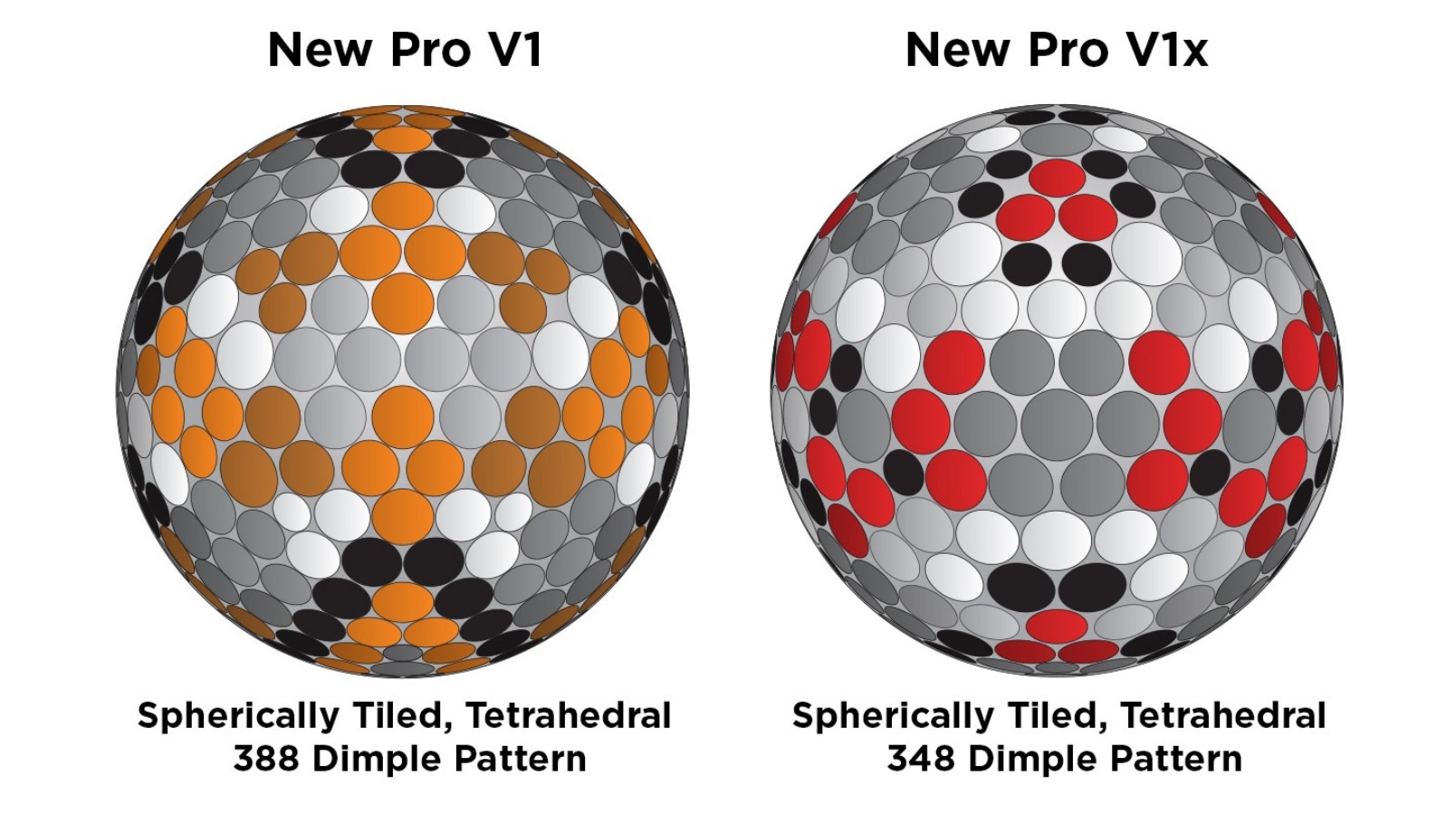
Titleist’s Patent No. 8,029,388 B2 encompasses a tiling method that ingeniously combines highly symmetric dimple patterns with a wavy, camouflaged parting line on the surface of the ball. This innovative design replaces the traditional “big landing strip around the equator,” resulting in improved aerodynamics and overall performance.
Phil Young’s Legacy
In 1935, Titleist’s founder, Phil Young, received the company’s very first patent. Although not directly related to golf balls, the patent focused on a ball testing machine, setting the stage for the future advancements in ball technology that would revolutionize the sport.
The commitment to innovation and advancement is further exemplified by the Acushnet Golf Ball Demonstration Machine, a remarkable piece of equipment hauled on a trailer reminiscent of “I Love Lucy.” This machine would visit driving ranges and simultaneously launch both a Titleist ball and a competitor’s ball. The results were consistently undeniable – the Titleist ball exhibited superior straightness and distance, further solidifying its reputation among golfers as the go-to choice for exceptional performance.
Frequently Asked Questions (FAQs):
What makes Titleist stand out in terms of golf ball research and development?
Titleist’s consistent dedication to pushing the boundaries of ball technology, as evidenced by their extensive collection of patents and revolutionary game-changing products like the Pro V1.
How does Titleist approach the design of their golf balls?
Titleist’s R&D teams delve into various areas, including aerodynamics, construction, materials, and manufacturing processes, ensuring an all-encompassing approach to ball design and performance.
Can you provide some notable milestones in Titleist’s history of golf ball innovation?
Notable milestones include the game-changing introduction of the Pro V1, the development of innovative dimple patterns through patented tiling methods, and the company’s very first patent, related to a ball testing machine.
Why is the Acushnet Golf Ball Demonstration Machine significant?
The machine’s ability to consistently demonstrate the superior performance of Titleist golf balls in comparison to competitors further reinforces Titleist’s position as the leader in golf ball technology.
Leave a Reply