
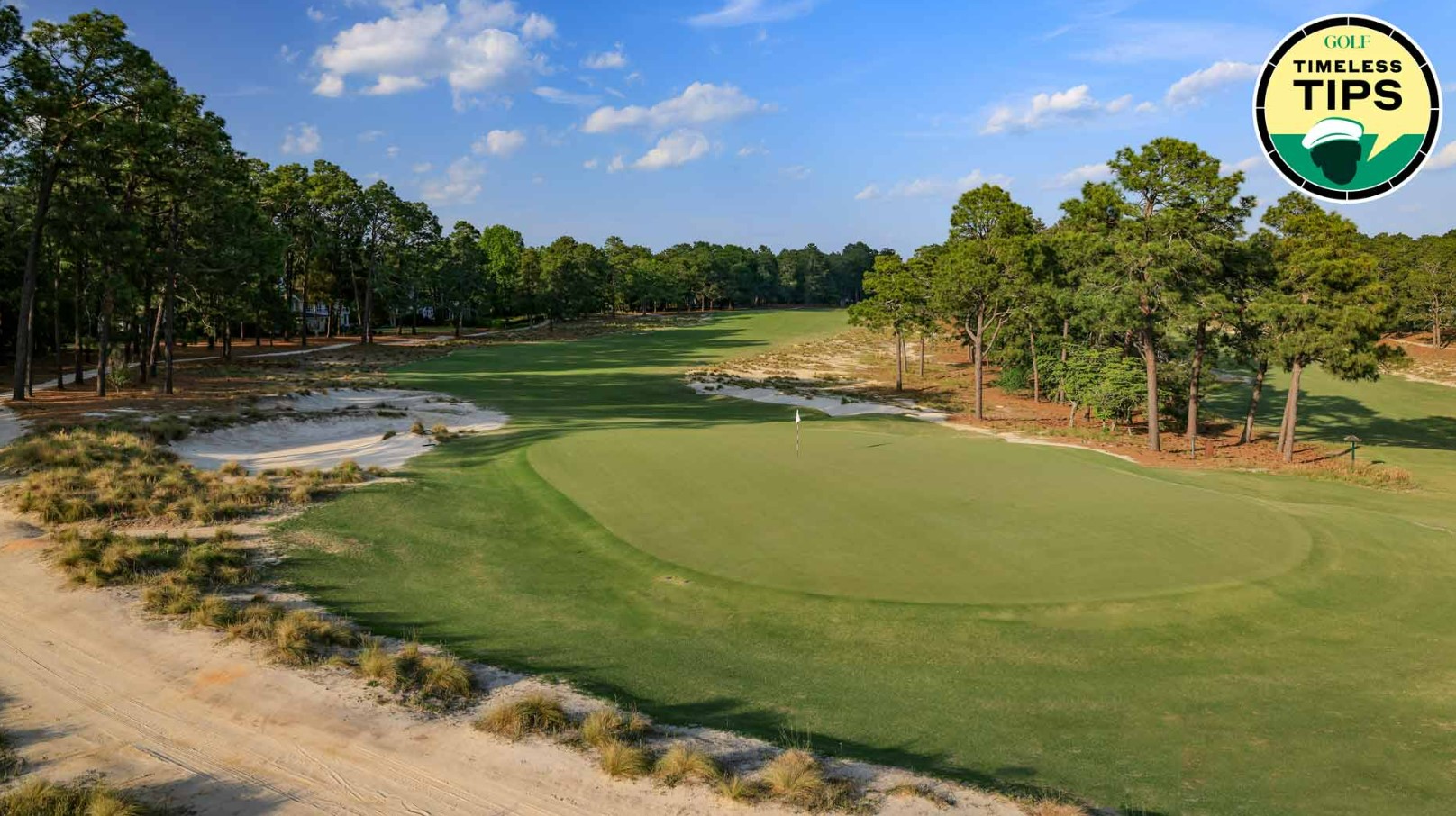
Amidst the flurry of activities and preparations for the prestigious U.S. Open at Pinehurst No. 2, one can’t help but notice a common concern among players regarding the greens. Known for their distinctive turtle back configuration, these greens have been compared to everything from upside-down cereal bowls to inverted plates. This unique design is not only a test of skill but often perceived as bordering on the verge of being unfairly challenging.
Tiger Woods and His Trial with Pinehurst’s Demanding Greens
During the initial practice rounds at Pinehurst, Tiger Woods thoroughly engaged in perfecting his short game, emphasizing the unpredictable nature of the greens. The conditions this week, with greens registering close to 15 on the Stimpmeter, have seen even seasoned players like Woods struggle to manage the speed and break of their putts.
Tournament Dynamics Influenced by Groupthink Among Tour Players
The perspective shared by the defending champion, who labeled the greens at Pinehurst as “borderline” has set the tone for this week’s discussions. This sentiment resonates among other players, who find themselves grappling with the shiny, overly-fast, and undulating surfaces, complicating not only putting strategies but overall course management.
Strategic Caddie Insights and Hole Location Controversies
Practice rounds are crucial, as caddies and players use this time to strategize around potential hole locations. Notably, Viktor Hovland pointed out concerns about pin placements, especially when paired with the unpredictable greens, potentially leading to severe penalties for minor miscalculations. This underscores the demanding nature of course setup, pushing players to prioritize precision over aggression.
The Implications of Pinehurst’s Firm, Undulating Greens
As the tournament progresses, the increasing firmness and speed of the greens could intensify challenges for the players. Pinehurst No. 2 requires a strategic approach, prioritizing safe plays to the center of the greens. Such an approach could be crucial, as misjudging the severe contours can lead to difficult scrambles from the notorious ‘ping-pong’ collection areas surrounding the greens.
Frequently Asked Questions (FAQs):
Why are Pinehurst No. 2 greens compared to turtle backs?
The greens at Pinehurst No. 2 are dome-shaped, mimicking the back of a turtle shell. This design causes balls to deflect off the sides, making precision essential.
What causes the shiny appearance of Pinehurst’s greens?
The sheen on the greens at Pinehurst results from the grass type and the direction in which it’s cut, which can intensify the speed of putts, especially when putting down grain.
How does strategy change with firm undulating greens?
When dealing with firm and undulating greens like those at Pinehurst, players often focus on landing the ball in the center of the green rather than attacking the flag directly, to avoid potential penalties from misjudged landings and rolls.
Leave a Reply