
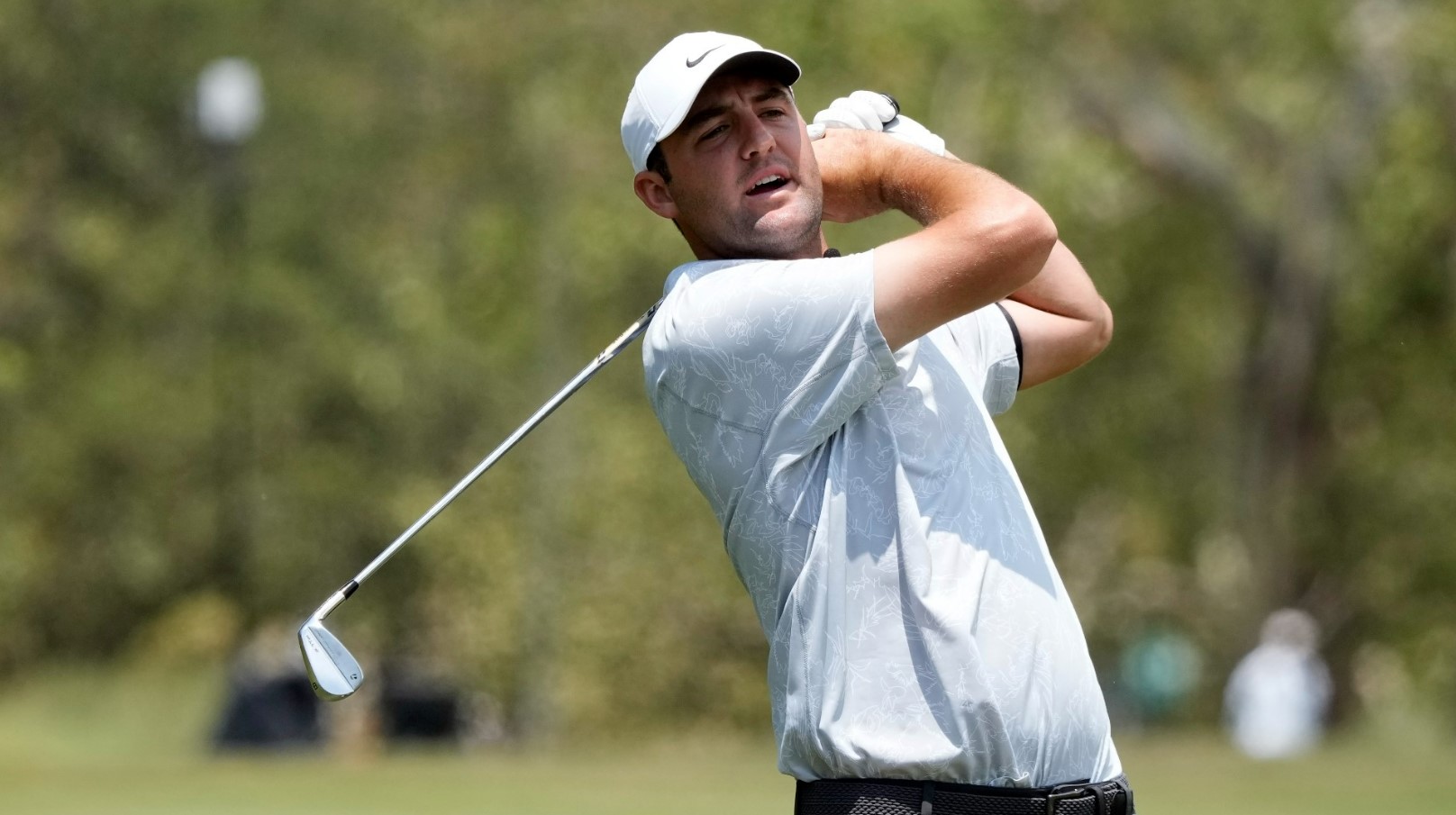
During the third round of the U.S. Open, Scottie Scheffler experienced significant challenges, mirroring the mental demands and precision required under U.S. Open conditions. Despite his efforts and a performance that felt stronger than the outcome suggested, Scheffler recorded a score of 71, aligning him in a tie for 42nd place, with a six-over par for the tournament. This position reflects a minimal change, contrary to the expectations typically associated with moving day.
The reigning Masters champion openly described the game as a “mental torture chamber,” emphasizing the intense psychological pressures that come into play, particularly at this level of competition. Scheffler’s issues predominantly lay in putting, a crucial aspect that led to an unexpected score deviation, with a loss of over five strokes on the greens alone.
Difficulty in Green Reading
Scheffler’s main issue was his inability to effectively read the greens, a skill crucial for mastering challenging setups like those at the U.S. Open. Despite striking what felt like good putts, the results were often not as anticipated, pointing to potential score reading problems and the added difficulty of unpredictable green conditions. This discordance between execution and outcome highlights a day where Scheffler’s expectations clashed with reality, underlying the unique challenges posed by U.S. Open greens.
Furthermore, when probed about the conditions of the greens possibly being “borderline,” Scheffler’s response underscored a broader understanding of strategic play and precision required in such a challenging golf setup. His acknowledgment of the term “borderline” as a trigger word within the context of the U.S. Open strategy reflects the fine line between optimal performance and potential pitfalls that even seasoned professionals must navigate.
Frequently Asked Questions (FAQs):
What are the main challenges professional golfers face during the U.S. Open?
Professional golfers often struggle with mental challenges, unpredictable course setups, and the precision required under tournament conditions. The intense pressure to perform consistently can lead to frustrations, especially with challenging aspects like putting and strategic positioning.
How do putting difficulties impact a golfer’s performance in tournaments like the U.S. Open?
Putting difficulties can significantly affect a golfer’s score and overall standing in a tournament. Inaccuracies in reading greens and executing putts can lead to unexpected strokes on the scorecard, directly influencing the golfer’s position and chances of advancing.
Why is green reading considered a critical skill in golf?
Green reading is essential as it determines how a putt needs to be approached. Accurate reading leads to better putt alignment and speed control, which are crucial for minimizing the number of strokes taken on the green. Misreading greens can result in increased scores and missed opportunities for birdies or saving pars.
Leave a Reply