
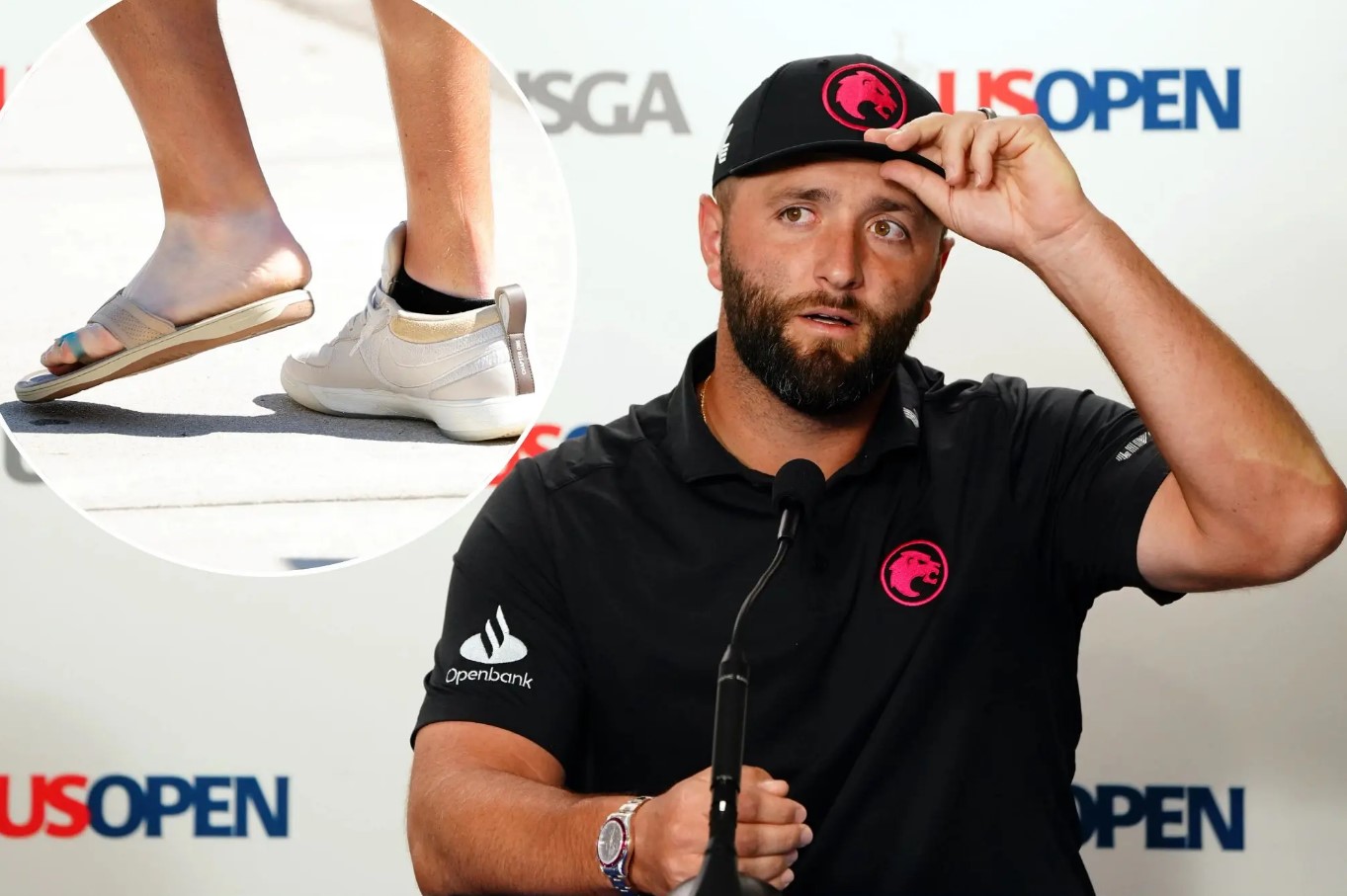
We understand the frustration and unexpected turn of events as Jon Rahm, after facing medical issues, had to withdraw from the U.S. Open. Rahm suffered from a lesion between his toes, which became infected during a previous LIV Golf event. This health concern ultimately led him to prioritize his long-term well-being and opt out of the competition at Pinehurst No. 2, despite his initial eagerness to participate.
Complications Leading to Withdrawal
The onset of the infection arose after the event in Houston, and despite consultations with multiple medical professionals and careful consideration, Rahm and his team decided it was crucial to avoid further complications. This decision reflects our commitment to promoting the welfare and health of athletes, understanding that the rigors of professional sports can often lead to tough choices like these.
Broadcast Challenges and Viewer Experience
Watching from home, Rahm’s experience echoed a common sentiment among golf enthusiasts regarding the complexities of sports broadcasts. Switching between networks and navigating various streaming options can detract from the viewing experience. This highlights a need for more streamlined viewing processes, especially for major tournaments where the audience expects simplicity and consistency.
Rory McIlroy’s Decisive Putt and Broadcast Assessment
The climax of the tournament saw Rory McIlroy miss a critical par putt on the 18th hole by a narrow margin, which was deemed a significant but challenging shot, underestimated by commentators during the broadcast. The subtle intricacies of such decisive moments are sometimes lost or undersold in the commentary, Rahm suggested, potentially due to the brief window commentators have to convey the complexity of the situation.
Addressing Future Health Precautions
As Rahm prepares for upcoming events, he emphasizes the importance of addressing the lesion to prevent future issues. The steps being taken to manage and recover from this health issue are vital in ensuring his ability to compete at the highest levels without further risking his condition.
Rahm’s Perspective on Golf Commentary
When it comes to broadcast critique, Rahm noted that some aspects of golf commentary could be improved to better represent the challenges players face on the course. Insights from commentators like Smylie Kaufman and Brandel Chamblee provided mixed perspectives on the difficulty of plays, such as McIlroy’s final putt, highlighting the nuances of professional golf analysis.
Frequently Asked Questions (FAQs):
Why did Jon Rahm withdraw from the U.S. Open?
Rahm withdrew due to an infected toe lesion that developed after competing in a LIV Golf event, prioritizing his long-term health.
What was Jon Rahm’s issue with the U.S. Open broadcast?
Rahm criticized the complexity of the broadcast’s streaming and network changing, which made it difficult for viewers to continuously watch the tournament.
What are the implications of broadcast critiques by professional players like Rahm?
Critiques from players can lead to enhancements in how sports are broadcasted, potentially improving the viewer’s experience and the accurate portrayal of the game’s challenges.
Leave a Reply