
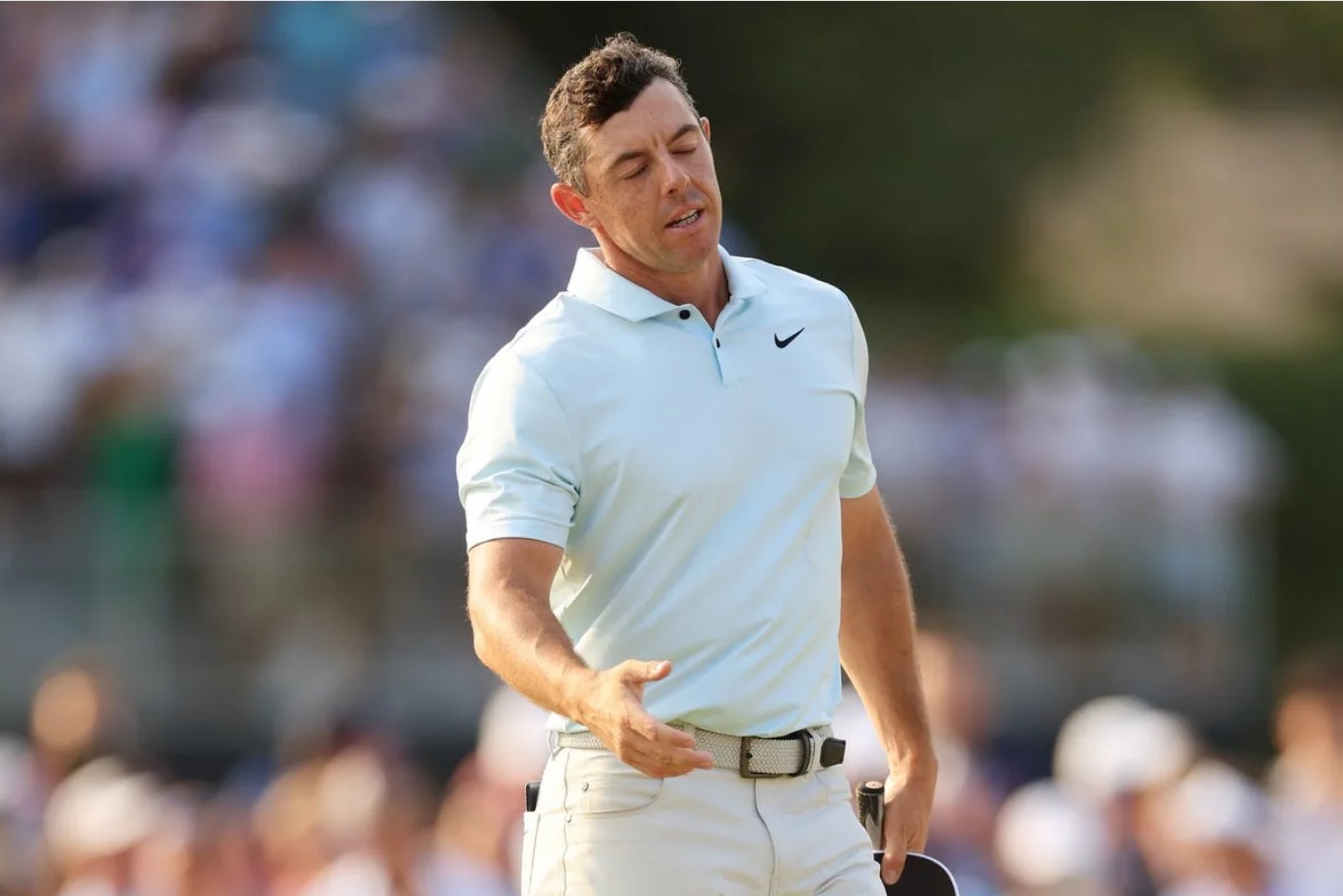
The closure of the U.S. Open at Pinehurst was nothing short of a cinematic climax in the world of golf, marked by Rory McIlroy’s intense battle against Bryson DeChambeau. As the final round unfolded, the atmosphere was thick with anticipation and the pressure immense. The course, a classic Donald Ross design, posed a relentless challenge, testing every facet of a golfer’s skill and mental toughness.
The day’s play began under a veil of North Carolina humidity, with McIlroy teeing off alongside Patrick Cantlay. The air was vibrant with chants for McIlroy, echoing around the Pinehurst setup. His gameplay was a testament to precision and strategy, particularly noted as he managed the tricky approaches and navigated the fast greens—a real exploration of Donald Ross’s masterwork.
McIlroy’s approach on the U.S. Open setup reflected a tactical reshaping of his game plan, aiming for consistent high major finishes rather than explosive plays, which are less predictable and often not as rewarding in the tight, punitive U.S. Open conditions.
Crucial Moments Leading to Playoff Chances Lost
The tournament swung with every shot at the back nine, where McIlroy had been leading until the 16th hole. Here, he faced the infamous wiregrass, which led to a missed putt—a crucial moment that not only showed the challenge of Pinehurst but also highlighted the intense pressure that mounts in the final stages of a major championship. His missed crucial putt on the 16th represented more than a stroke lost; it was a moment of palpable heartbreak, resonant of so many career major disappointments McIlroy has faced.
Simultaneously, Bryson DeChambeau’s win began materializing through a series of masterful strokes, including a bunker shot that will be etched in the historic golf moments of the U.S. Open. His victory was not just a personal triumph but a spectacle that showcased the high stakes and raw emotions characteristic of major championships.
Emotional and Physical Exhaustion Post-Final Round
As the final putt settled the scores, McIlroy’s clubhouse emotional exit was a silent testament to the day’s toll. Accompanied by his caddie and team, McIlroy’s exasperation was evident; a stark contrast to the security of the champions’ locker room he briefly visited, a room he had access to since his 2011 victory. The interaction between McIlroy and his caddie post-defeat, laden with a mix of support and shared disappointment, mirrored the profound impact such moments have on athletes.
Neil Shipley, the spirited amateur, passed by the somber scene, a juxtaposition of the fresh enthusiasm and the veteran’s solemnity. Such moments encapsulate the gamut of emotions that run through the veins of Pinehurst during the U.S. Open, from youthful optimism to seasoned reflection after a U.S. Open heartbreak.
Frequently Asked Questions (FAQs):
What challenges does Pinehurst No. 2 pose to golfers?
Known as Donald Ross’s masterwork, Pinehurst No. 2 challenges players with its undulating greens, strategic layout, and the mental resilience required to navigate it under U.S. Open conditions.
How did Rory McIlroy perform in the final round of the U.S. Open?
Rory faced dramatic final holes in the U.S. Open, ultimately missing crucial short putts that could have led to a playoff, thereby facing another major championship defeat.
What marked Bryson DeChambeau’s victory as unique in this U.S. Open?
Bryson DeChambeau’s win was characterized by a climactic golf showdown with Rory McIlroy, highlighted by a critical bunker shot that clinched his victory in a historic and dramatic fashion.
Leave a Reply