
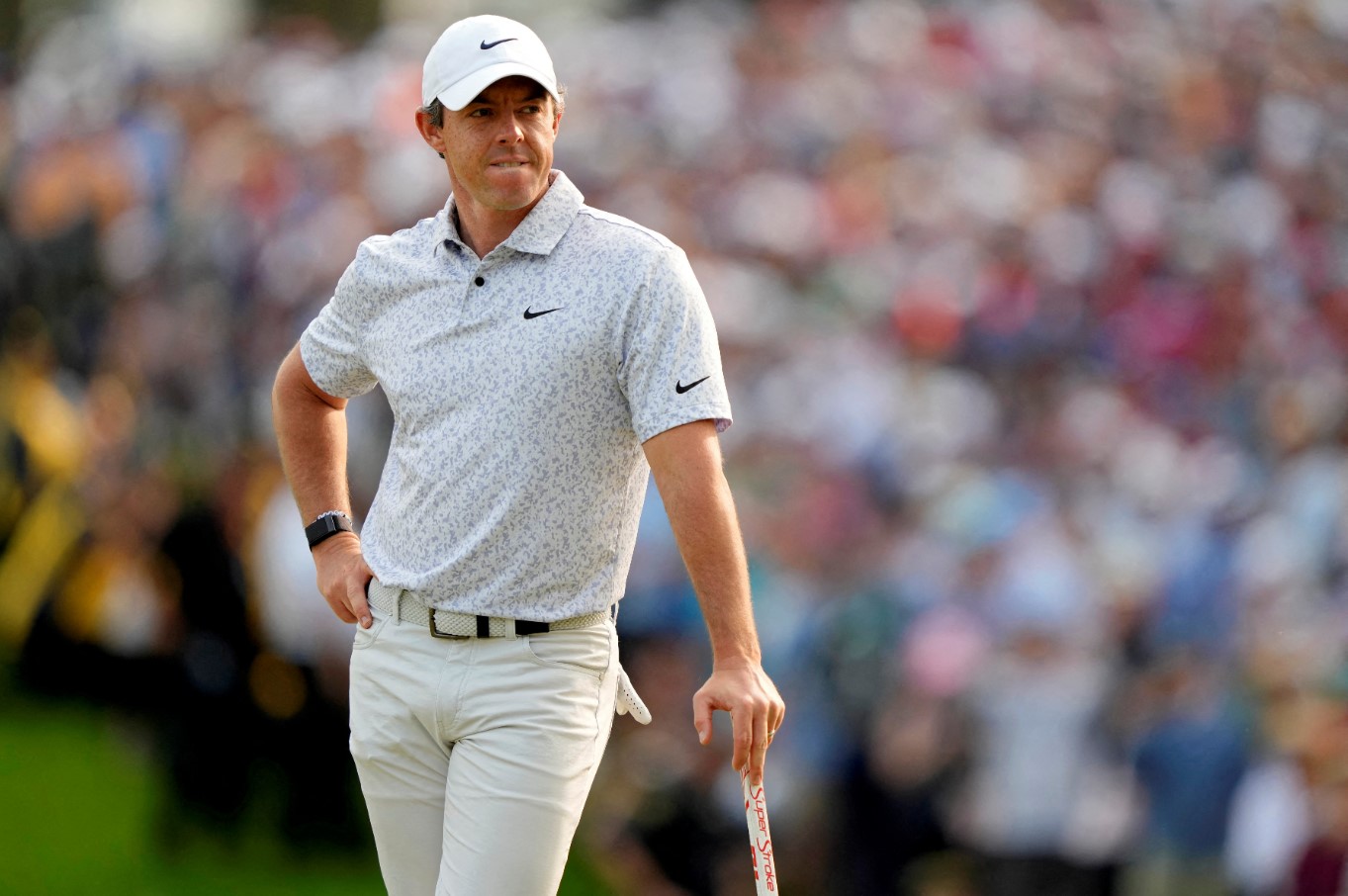
We have seen significant moments in golf, where a final par putt holds more than just the score—it holds decades of ambition and ghostly whispers of the past. Such was the case at the recent U.S. Open, where that putt by Rory McIlroy did not just veer off course physically but symbolically diverged from the path of major championship triumph, extending his major-less streak much like the fate of other talented players before him.
Major Championship Pressure and Its Toll
The final round at Pinehurst No. 2 was poised to be McIlroy’s redemption song. He demonstrated exceptional control for the majority of the game, executing nearly flawless drives, and was acutely aware that ending his decade-long major drought was well within his grasp. Yet, as the shadows lengthened, each stroke began to weigh heavily, ensnared by the rigors of major championship pressure—a phenomenon known all too well in golf history.
Strategic Errors and Final Round Collapse
On hole 15, a critical error was made with an overly ambitious club choice that saw McIlroy overshooting the green. This was followed by a startling three-putt on the 16th, where a mere 2.5-foot putt cruelly lipped out. The sequence of these shots during the final holes were not just missed opportunities; they were echoes of previous major round collapses, revealing that perhaps the biggest obstacle for McIlroy was the cavernous weight of historical precedence and expectation.
Reflection on Golf’s Unforgiving Nature
Pinehurst No. 2, with its storied fairways and unforgiving greens, served as more than just a battlefield for technical skill—it was a test of mental fortitude. Here, McIlroy faced not only the challenge of the course but also the ghostly pressures from past tournaments where talented players crumbled under similar strains.
Frequently Asked Questions (FAQs):
What makes the U.S. Open particularly challenging for golf players?
The U.S. Open is infamous for its rigorous course setup, typically featuring narrow fairways, tough rough, and slick greens, which demand both precision and mental endurance from the players. This major championship not only tests the technical skills of the golfers but also their ability to manage pressure in high-stakes situations.
How does major championship pressure affect a golfer’s performance?
Major championship pressure can lead to increased heart rates, tense muscles, and a crowded mind—all of which can significantly alter a golfer’s swing and putting stroke. The fear of losing or the desire to win can overpower years of training and experience, as seen in several historical instances within golf championships.
Can past failures at major tournaments influence a player’s current game?
Absolutely. Past failures can create a psychological barrier that manifests as increased pressure in key moments of future tournaments. Players often carry the burden of these memories, which can influence their strategic decisions and performance under pressure.
The Road Ahead: Major Victories or Continued Heartache?
As we dissect McIlroy’s performance and its implications, we are reminded of the delicate balance between skill and mental strength required to secure major victories. Whether McIlroy will follow in the footsteps of Greg Norman’s challenges or redefine his career trajectory like Mickelson did later in his career remains a pivotal question. What’s clear is that his journey is emblematic of the trials and tribulations faced by the world’s best with a driver in hand, constantly chasing the elusive blend of perfect timing and peak performance that major championships demand.
Leave a Reply