
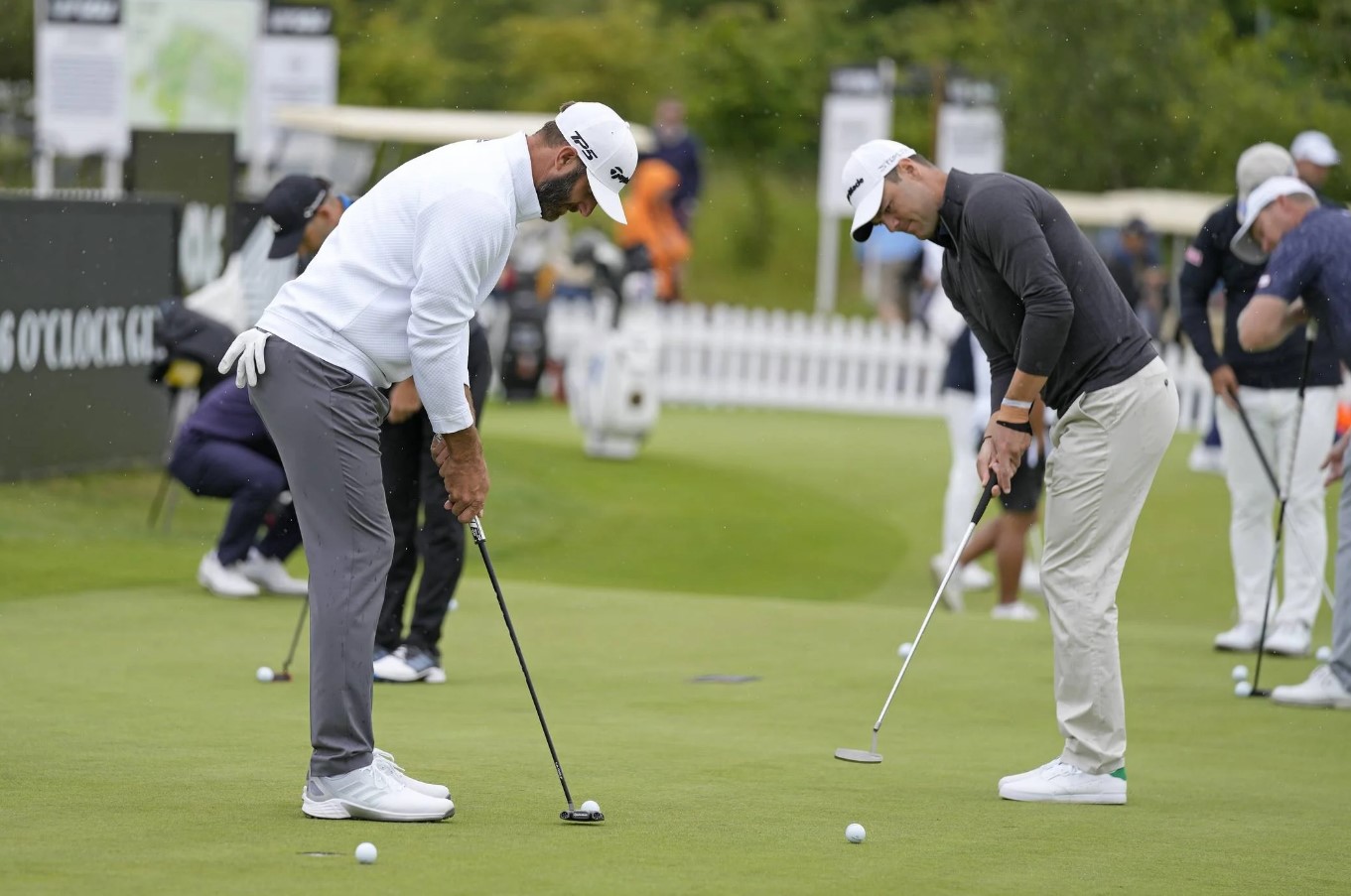
We are at a critical juncture where the financial sustainability of men’s professional golf is under intense scrutiny. The rapid increase in tournament purses, notably influenced by the influx of investments from the Saudi PIF, has sparked a wave of discussions. This sudden rise necessitates a new examination of how these funds contribute to the sport’s growth and sustainability. We must analyze the balance required to ensure resources flow back into the sport, fueling both amateur and professional levels.
The Role of the R&A in Financial Stewardship
The R&A plays a pivotal role in navigating through these economic complexities. By redirecting all profits from the prestigious British Open back into the sport, they aim to maintain a sustainable business model. Their strategies focus not just on immediate growth but on the longevity of golf, ensuring that the sport continues to thrive globally. As custodians of golf, the decisions they make have cascading effects on various aspects of the sport’s economy.
Growth Trends and Financial Implications
Recent statistics reveal promising growth in golf participation, with over 62 million individuals engaging in the sport worldwide. This increase is a positive indicator, yet it brings forth the challenge of sustaining this momentum. Strategic investments and financial planning are crucial for nurturing the grassroots and professional levels alike, ensuring the game’s expansion without compromising its core values and economic feasibility.
Financial Dynamics of Increased Prize Money
The substantial increase in prize money, such as the notable rise at the British Open to $17 million, reflects broader economic trends, including inflation. However, this also calls into question the distribution of wealth within the sport. Analyzing these adjustments is essential to understanding the economic value of golf and ensuring that the allocation supports comprehensive development, from local clubs to international championships.</used
Long-Term Growth and Strategic Vision
Adopting a long-term perspective is fundamental for the sport’s prosperity. The focus should not solely be on the immediate financial gains but on fostering an ecosystem that benefits all stakeholders. By ensuring a balanced investment between prize money and developmental initiatives, we can avoid potential pitfalls where short-term gains might overshadow essential long-term growth.
Impact of Market Competition on Golf’s Economy
The entrance of the Saudi PIF into golf has set a new competitive landscape, prompting the PGA Tour and other organizations to reevaluate their financial strategies. This competition can be constructive, as it urges governing bodies to innovate and re-think their economic models. Such dynamics are crucial for the sport as it adapts to changing global sports economics.
Frequently Asked Questions (FAQs):
How does the Saudi PIF influence affect golf’s financial sustainability?
The Saudi PIF has introduced significant financial resources into the sport, leading to increased tournament purses. This influx requires strategic management to ensure it supports long-term growth rather than transient success.
What role does the R&A play in professional golf?
The R&A is crucial in maintaining the sport’s integrity and overseeing its development. They invest the profits from major tournaments back into the sport, supporting various initiatives that promote golf globally.
Why is financial sustainability important in men’s professional golf?
Ensuring financial sustainability helps preserve the sport’s future, supporting growth at all levels—from amateur to professional—and securing economic stability amidst fluctuating market conditions.
How do strategic investments affect the long-term growth of golf?
Strategic investments are vital for nurturing talent, enhancing facilities, and promoting participation. These efforts collectively contribute to the sport’s long-term health and competitive stature in the global sports arena.
Leave a Reply