
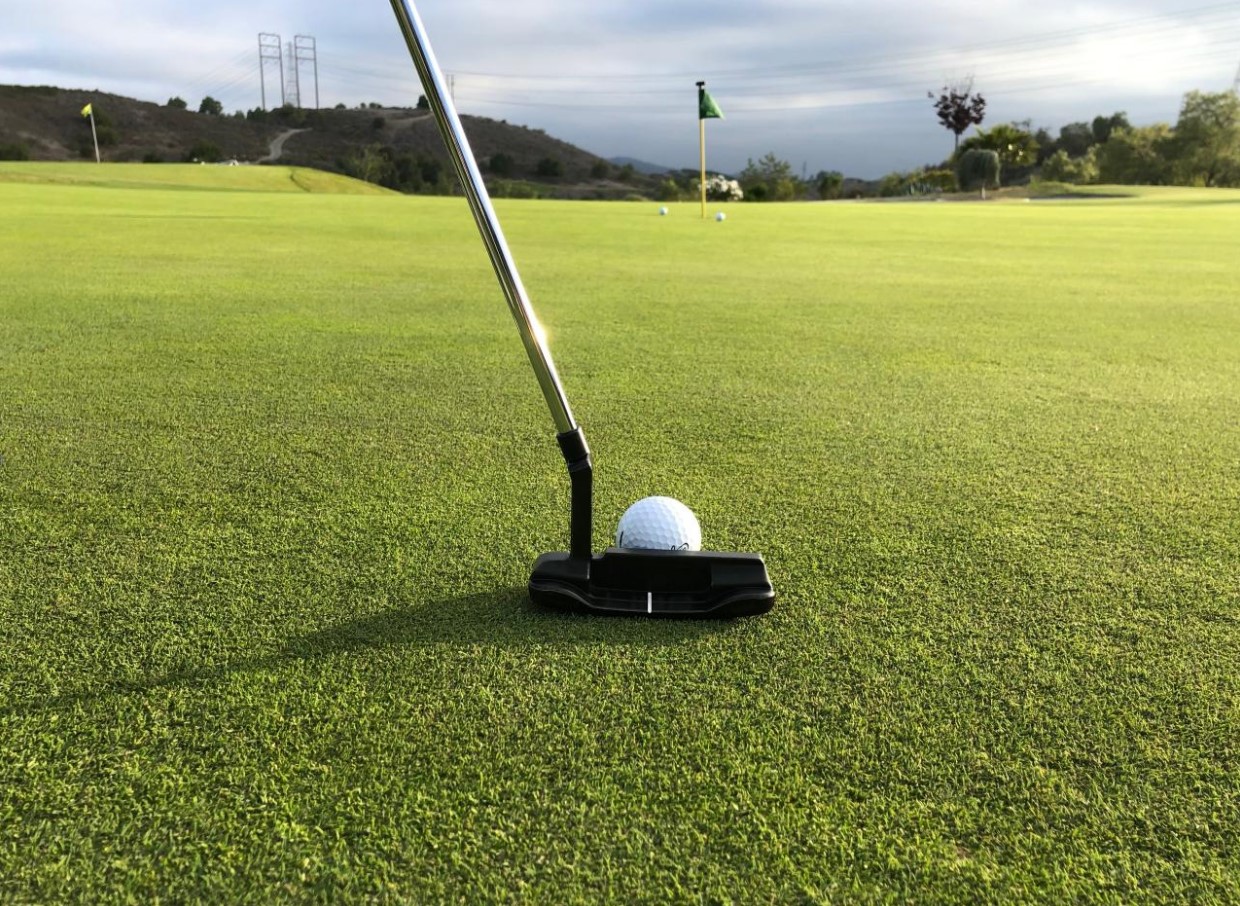
When playing a game of golf, particularly in match play, the precision and adherence to the rules can significantly impact the game’s outcome. Let’s delve into a common scenario: you’re ready to strike the ball off the tee, you commence your backswing, but suddenly, the ball rolls off the tee. According to the golf rule book, particularly Rule 10.1(d), a player must hit a stationary ball. The moving ball rule, however, has exceptions. If during one’s backswing the ball starts moving and is accidentally hit, Rule 6.2(b)/5 clarifies that hitting the moving ball does not incur a penalty. This action is viewed as one continuous play since the swing had already started. Hence, the stroke is valid, and the game continues from where the ball lies.
Borrowing and Using Golf Equipment
In another intriguing golf rule twist, using equipment found on the golf course has its own set of regulations. For instance, picking up a tee left behind by another player and using it immediately is generally permissible. The rules surrounding golf equipment primarily focus on clubs, not ancillary items like tees or towels. Specifically, sharing golf clubs carries a potential penalty if not handled correctly. If a golfer unwittingly plays with someone else’s club, it results in a general golf penalty of two strokes in stroke play, or a loss-of-hole penalty in match play. Once the mistake is realized, the club must be taken out of play. Failure to do so leads to disqualification.
Penalties for Playing from Incorrect Tees
Another common error involves playing from the wrong tees. Whether due to distraction or misunderstanding, this mistake can lead to penalties. In match play rules, playing from incorrect tees without correction before making a stroke can affect the match score, typically resulting in a loss of hole penalty. In stroke play, however, the penalty would be two strokes. After identifying the error, the player must correct the mistake by playing from the correct tees to avoid further complications.
Striking at Rest or Moving Ball and Equipment Misuse
Addressing whether a ball is at rest or in motion is fundamental in golf. Striking a ball at rest, following the standard conduct of play, is expected. However, unintentional errors like striking a moving ball due to factors like wind or incline, if not part of the swing motion, can lead to penalties. Moreover, incorrect equipment use such as playing with too many clubs or the wrong set can also lead to the general penalty, consistent across various situations in golf. Awareness and immediate correction of these errors are essential in maintaining fairness and competitiveness in the game.
Final Thoughts on Golf Play Regulations
Golf’s intricate rules are designed to ensure fairness and challenge players to maintain concentration and integrity throughout the game. Knowing the specifics can help prevent common mistakes such as striking a moving ball off tee or using someone else’s tee without penalty. Familiarizing oneself with these rules not only helps in avoiding unnecessary penalties but also enhances the overall experience by promoting a better understanding of the sport.
Frequently Asked Questions (FAQs):
What happens if a golf ball moves while addressing it off the tee?
According to Rule 10.1(d) and Rule 6.2(b)/5, if the ball moves while you are preparing to strike it and you accidentally hit it, there is no penalty. The stroke is considered valid, and you continue from where the ball comes to rest.
Can I use a golf tee left behind by another player?
Yes, you can use a tee left by another player without penalty. However, using someone else’s golf club without realizing it results in a two-stroke penalty in stroke play or a loss-of-hole penalty in match play.
What are the penalties for playing from the wrong tees?
In match play, playing from the wrong tees without correction before making a stroke results in a loss of hole. In stroke play, the penalty is two strokes. Correcting the mistake as soon as it’s noticed helps avoid further issues.
Leave a Reply