
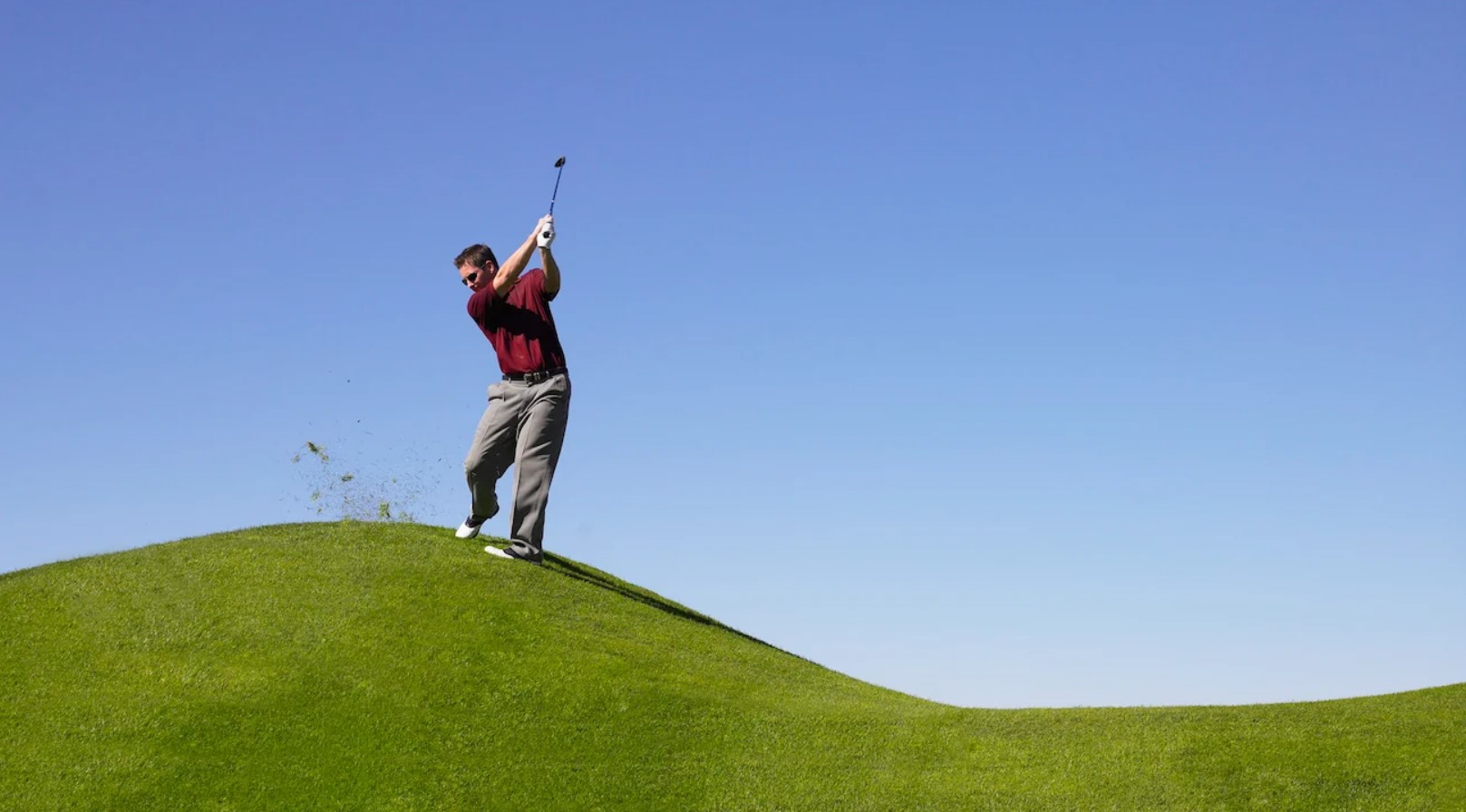
We often hear about the most challenging courses that test a player from all angles, but few present the unique challenges like those at Castle Pines. Known for its staggering 8,130 yards, the shift in altitude and the significant elevation changes can make or break a player’s game. Engaging with the nuances of altitude impacts not only distance but also trajectory and precision around the greens.
Preparing for Distance Changes Off the Tee
The precise calculation of distance is crucial off the tee at elevated courses. With the thin air allowing the ball to travel farther and faster, traditionally comfortable distances can become misleading. We often see players adjusting their clubs to accommodate these changes, ensuring that an 8-iron at sea level does not betray them when they are several thousand feet higher. It’s not merely a game of power but of precise recalibration of distance control.
Adapting Strategies Around the Greens
When approaching the green, the ball’s behavior changes perceptibly. This is not just about hitting the ball; it’s about how the ball reacts once it lands. At Castle Pines, we spend extensive time training with advanced measuring devices to understand how altitude affects ball travel and stopping distance. If one is not used to these conditions, it’s easy to airmail shots well beyond the target, not due to a lack of skill but due to adapting to the altitude’s tricky demands.
Navigating Inconsistencies and Variations in Elevation
The variability in how the ball behaves in thin air can be quite inconsistent. What you see is not always what you get. For instance, a 7-iron might be reliable at a certain distance at sea level, but at altitude, that same club could have a variance of 10 to 15 yards depending on numerous factors such as wind, air density, and even temperature. This inconsistency demands that players remain vigilant and adaptable, recalibrating their understanding of each shot.
Leveraging Experience and Preparation at Major Courses
While new to many, some players draw on their previous experiences at other elevation-rich events. Such prior exposure can provide a crucial edge in handling the wavering trajectories and the challenging angles and pins at Castle Pines. Furthermore, rigorous prep days help solidify a player’s comfort level, from understanding the nuanced breaks on the greens to mastering the altered distances.
Advantages of Familiarity with Elevation Play
Knowing how to manage the nuances of elevation and trajectory can offer an invaluable advantage. Even subtle insights into how the ball curves less or reacts on the greens can transform how we approach each hole. For those accustomed to the challenges posed by elevated courses, adapting becomes second nature, allowing them to focus on refining their strategy rather than grappling with the basic adjustments.
Frequently Asked Questions (FAQs):
How does playing at high altitude affect golf shots?
At high altitude, the thinner air allows golf balls to travel further and faster. This means that shots will carry more distance than at sea level, so players often need to adjust their club selection and recalibrate their distance control accordingly.
What should golfers keep in mind when approaching the greens at elevated courses?
Golfers should be aware that the ball’s behavior around the greens can change due to altitude. It may roll out further and stop less abruptly than expected. Understanding these dynamics and practicing with altitude-specific adjustments can help prevent overshooting the target.
How can golfers prepare for playing at a course like Castle Pines?
Preparation involves adjusting club distances and practicing with altitude-specific data. Familiarity with how the ball behaves in thin air, along with experience from other high-altitude courses, can provide a significant advantage. Rigorous preparation and strategic practice are key to mastering the challenges posed by elevated courses.
Leave a Reply