
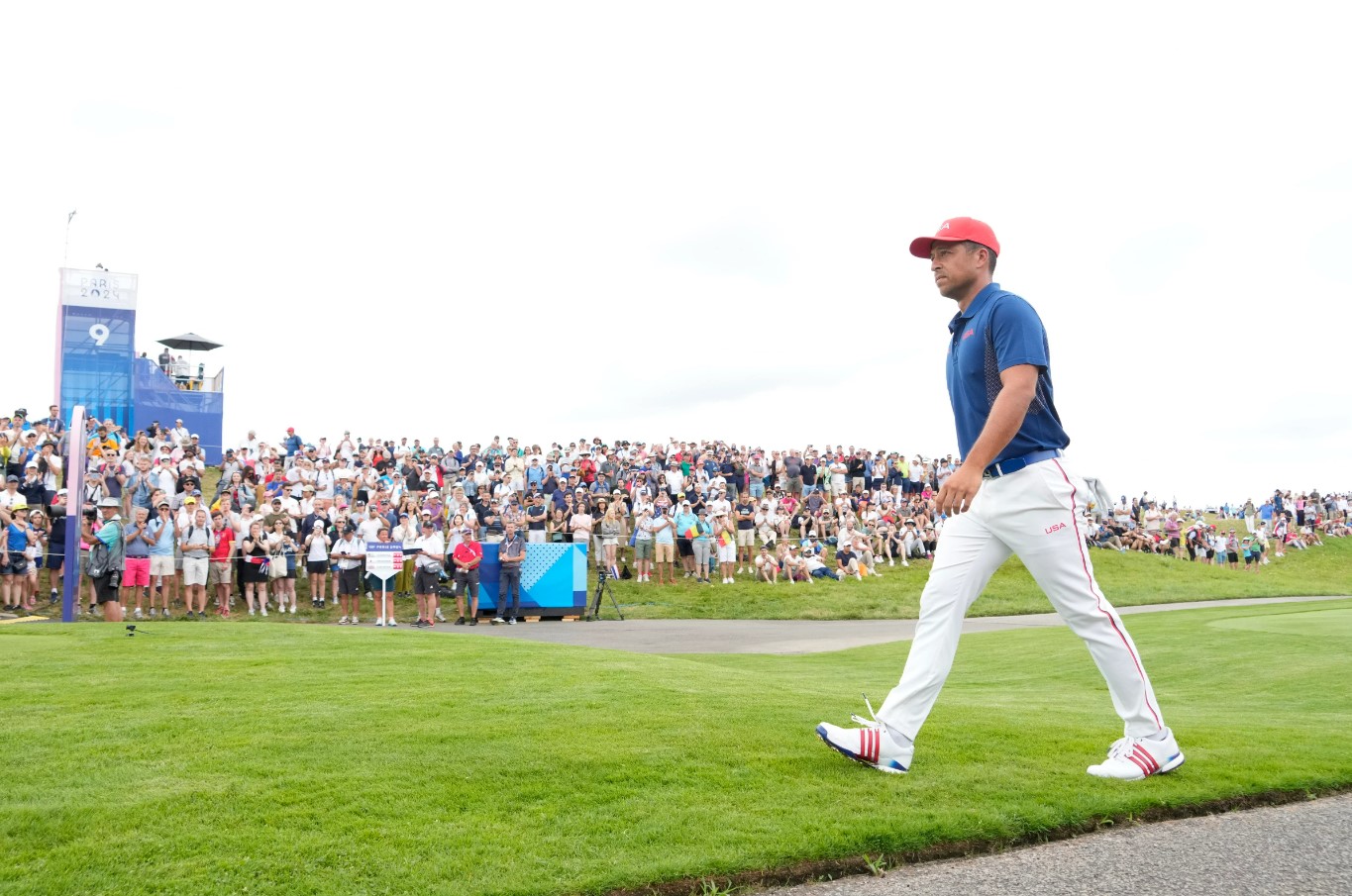
We are currently witnessing a critical juncture in the evolution of the Olympic golf qualification process, particularly through the experiences of American golfers like Wyndham Clark. Often hailed for his mercurial prowess, Clark has shown flashes of brilliance that justify his inclusion in the sport’s top competitions. Notably, his victory at the 2023 U.S. Open and his commendable performances at Pebble Beach and Bay Hill underscore his potential when in form.
The Streaky Nature of Wyndham Clark’s Game
As with many talented sports figures, consistency remains Clark’s biggest challenge. This issue was starkly evident during his recent appearance at the Paris Olympics, held at the prestigious Le Golf National. Despite the field benefiting from near-perfect scoring conditions, Clark struggled profoundly, commencing his tournament with a discouraging 4-over 75. Such a shaky start, marked by immediate bogeys and double bogeys, quickly diluted his medal aspirations.
Impact on the Paris Olympics Day 1 Performance
The ramifications of Clark’s performance extend beyond his personal record, reflecting on the broader Olympic qualifying system. His underwhelming start contrasts sharply with the expectations set by his previous accolades and brings to light the debate around the current qualifying criteria. Currently anchored heavily on world rankings, this system recently overlooked Bryson DeChambeau, another top American golfer, favoring Clark instead despite his recent form.
Scrutiny of the Olympic Qualifying System
The persistent struggle among American participants to secure a spot in the Olympic roster reflects the fierce competitiveness of the PGA Tour, which does not always align with Olympic eligibility requirements. The current guidelines allow only four American golfers to participate, a limitation that remains a topic of controversy. This rule’s stark contrast to the policies of other sports like basketball, where team selection is more flexible, drew comments from top golfers such as Jon Rahm and Scottie Scheffler, who voiced preferences for an adjusted approach to team qualifications.
Facing Criticism and Navigating Through Challenges
Clark’s trajectory in major tournaments this year has been less than ideal, with multiple missed cuts highlighting a possible downturn in his career. These setbacks coincide with physical ailments that have impeded his performance since the Masters, notably affecting his club speed and the overall length of his drives. As he candidly discussed his physical condition and the resulting performance issues, Clark’s situation emphasizes the ruthless nature of professional golf where small margins often dictate career trajectories.
The Unique Pressure of the Olympics
Despite the immense pressure and the different aura that the Olympics command, the essence of representing one’s country adds a layer of prestige and responsibility not found in regular tour events. For athletes like Clark, who are battling both form and fitness, the Olympic platform may amplify existing challenges. The question remains whether a struggling athlete can effectively contribute to their country’s medal hopes, a sentiment echoed by many following Clark’s performance.
Conclusion
Looking ahead, it’s likely that the debates surrounding golf’s Olympic qualifying criteria will intensify, especially as we approach the 2028 Los Angeles Olympics. Changes may be necessary to align the selection process more closely with other sports, ensuring that the best athletes are available to compete, irrespective of transient ranking fluctuations. Wyndham Clark’s journey at the Paris Olympics is a testament to the complexities and pressures of golf at this elite level, and it serves as a pivotal case study for future adjustments in the sport’s approach to Olympic qualification.
Frequently Asked Questions (FAQs):
How did Wyndham Clark perform at the Paris Olympics?
Wyndham Clark struggled at the Paris Olympics, starting with a 4-over 75 in the first round at Le Golf National, which affected his medal prospects despite previous strong performances.
What impact does Clark’s performance have on the Olympic golf qualification process?
Clark’s underwhelming performance highlights issues with the current Olympic golf qualifying system, which relies heavily on world rankings. This system has faced criticism for not always reflecting recent form and for limiting the number of American golfers who can participate.
What are the current challenges and criticisms related to Olympic golf qualifications?
The challenges include the strict qualifying criteria that only allow four American golfers to participate, a policy criticized for being less flexible compared to other sports. This has led to debates about whether adjustments are needed to better align with athletes’ current forms and ensure the best competitors represent their countries.
Leave a Reply