
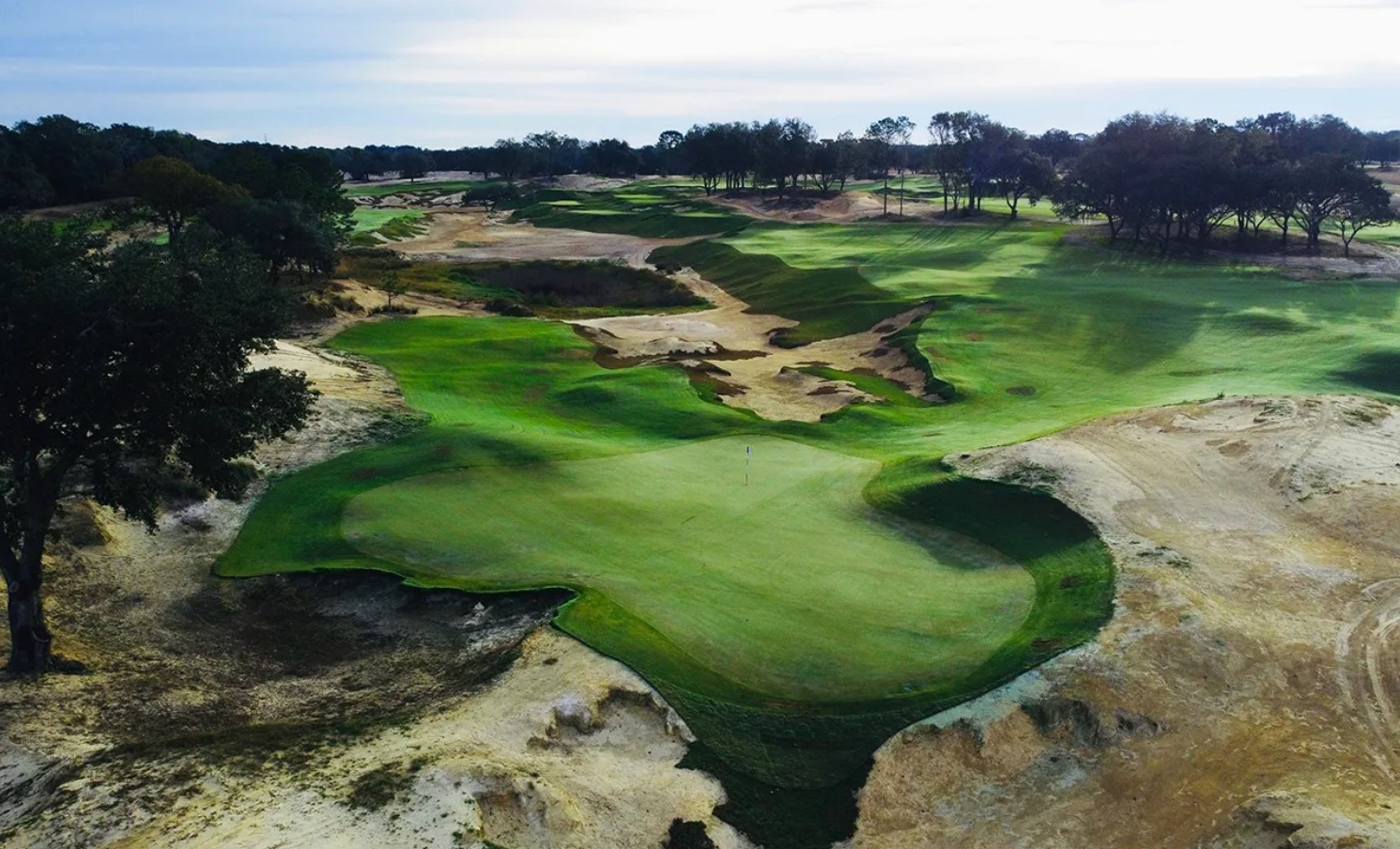
At the heart of a contentious debate in Florida, Canadian-based golf course developer Cabot aims to expand its Citrus Farms resort by proposing a land swap involving public land. The proposition has sparked concerns among environmentalists and public land advocates, leading to widespread opposition.
Details of the Proposed Land Exchange
Cabot’s proposal involves exchanging 324 acres of land they own within the Withlacoochee State Forest for a larger, 861-acre plot of timberland situated in Levy County. This exchange is intended to facilitate the addition of new golf holes at the Cabot Citrus Farms, located just north of Tampa on a site known for its rolling, sandy terrain.
Public Reaction and Environmental Concerns
The public’s reaction has been notably strong, with social media and newspaper editorials reflecting widespread disapproval. Concerns primarily focus on the potential slippery slope of using protected lands for commercial development, which might set a precedent affecting additional conservation areas throughout Florida.
Economic Implications and Local Developments
Ben Cowan-Dewar, co-founder and CEO of Cabot, has emphasized the economic benefits that the expansion could bring to Hernando County, suggesting the creation of up to 500 jobs. The plan suggests a “win-win” by providing the state with land purportedly offering greater conservation value.
Conservation Perspectives and Official Standpoints
Various organizations, including the Florida Audubon Society, have expressed staunch opposition to Cabot’s proposal. They argue that this sets a dangerous precedent for the management of state-owned conservation lands, traditionally protected under Florida law. The National Audubon Society underlines that protected areas contribute significantly not only to wildlife sustainability but also to recreational and environmental tourism, which are vital aspects of Florida’s economy.
Upcoming Reviews and Decisions
The Florida State Acquisition and Restoration Council (ARC) is set to review the proposal. This council, comprising representatives from various state agencies, plays a crucial role in determining the feasibility and advisability of such land swaps. Their evaluation will significantly influence the decision by the Florida Cabinet, led by Governor Ron DeSantis, on whether the swap will proceed.
Comparative Analysis with Other Protected Areas
While Cabot Citrus Farms seeks expansion, parallels are drawn with the recent controversy in Jonathan Dickinson State Park, where an unrelated golf course development proposal was quickly retracted following public outcry and bipartisan opposition. The comparison highlights the sensitivities around using protected recreational lands for commercial purposes, even though the specifics of the Cabot proposal differ.
Community Engagement and Public Commentary Opportunities
As the discussion unfolds, opportunities for public input and commentary are crucial. These forums are pivotal for residents and stakeholders to express their concerns and suggestions, ensuring a transparent decision-making process that considers both economic growth and environmental conservation.
Conclusion and Future Implications
The outcome of this proposal could steer future policies on land management and development in Florida. It raises important questions about balancing development with conservation, the role of public lands in state economies, and the ethical considerations of altering the use of conservation lands.
The ongoing debate over Cabot’s land swap proposal exemplifies the complex intersection of development, employment, recreation, and conservation, reflecting broader themes of growth and sustainability in policy development.
Frequently Asked Questions (FAQs):
What is the Cabot land swap proposal about?
Cabot, a Canadian golf course developer, proposes swapping 324 acres of land in Withlacoochee State Forest for 861 acres of timberland in Levy County to expand Cabot Citrus Farms. The plan aims to add new golf holes but has sparked significant controversy.
What are the main concerns about the proposal?
Environmentalists and public land advocates are concerned that the swap could set a precedent for using protected lands for commercial development, potentially threatening conservation areas across Florida. There are fears about compromising wildlife habitats and recreational lands.
What are the next steps in the decision-making process?
The proposal will be reviewed by the Florida State Acquisition and Restoration Council (ARC), which will assess its feasibility. Their recommendation will influence the Florida Cabinet, led by Governor Ron DeSantis, on whether the land swap will proceed. Public comments and community engagement will play a key role in the final decision.
Leave a Reply