
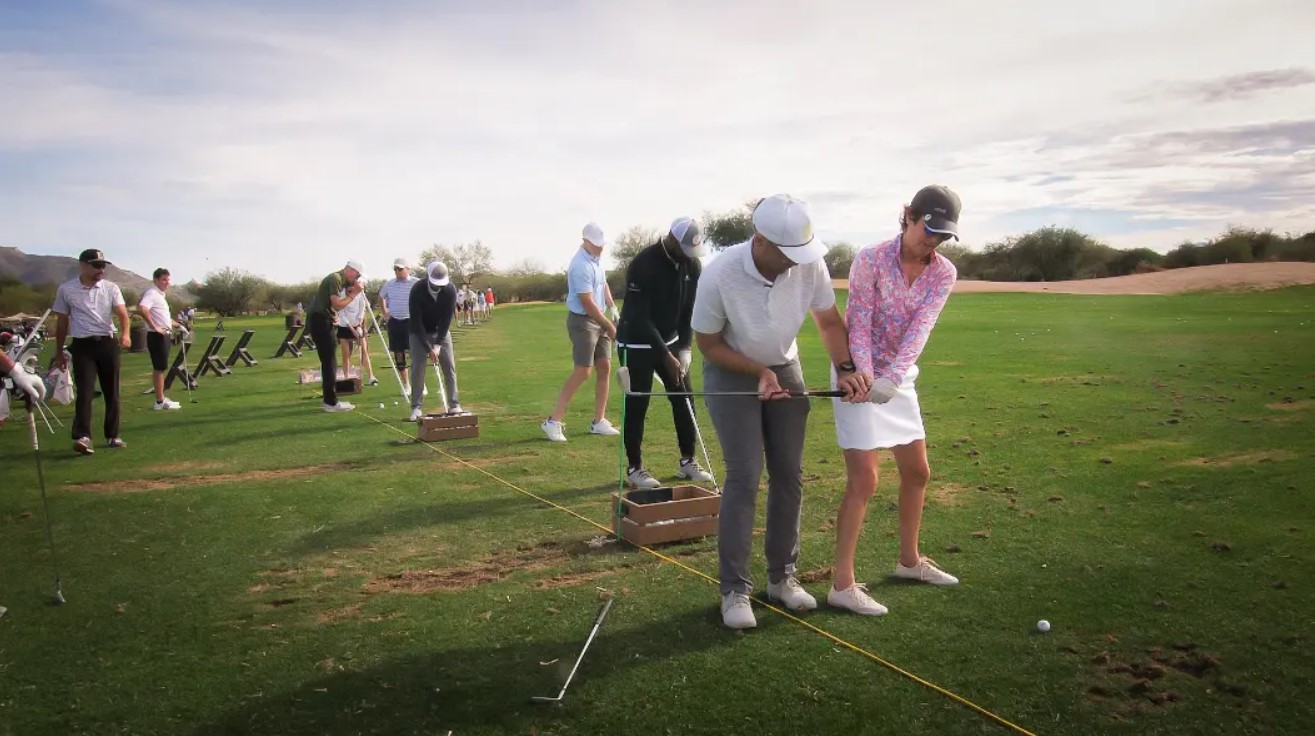
In the sport of golf, alignment plays a crucial role in ensuring the accuracy and success of each shot. Many golfers, both amateurs and professionals, often face challenges with aligning themselves correctly to the intended target. Incorporating intermediate targets into your golf strategy is an effective way to refine your alignment and significantly decrease the chances of misses.
Intermediate targets are specific points between your golf ball and the ultimate target on the fairway or green. These points can be a discolored patch of grass, a divot, or any other noticeable marker that lies directly in your intended line of play. By focusing on these nearer, more manageable points, you can simplify the alignment process and improve your overall shot precision.
Minimizing Errors in Golf Through Intermediate Targets
One common issue that golfers face is the misalignment to their intended targets, leading to frustrating rounds and shots that veer off course. By integrating intermediate targets into your practice sessions at the range, you can cultivate a more reliable setup. This method reduces guesswork by providing a clear visual path to follow, aiding in muscle memory, and enhancing consistency in your swing execution.
This practice technique does not only apply to the driving range but is also highly beneficial on the course. Using intermediate targets during actual gameplay helps maintain the accuracy honed during practice, translating to more greens and fairways hit during your rounds.
Optimizing Golf Practice with Intermediate Targets
To make the most out of using intermediate targets, begin by selecting a point that naturally catches your eye and lies along the line to your ultimate target. During your setup, align your clubface first to the intermediate target, then position your feet, hips, and shoulders parallel to that line. This step-by-step alignment helps in building a structured and repeatable approach to every shot, essential for achieving consistency in golf.
Regular practice with this method not only sharpens your alignment but also trains your eye to better assess distances and spatial relationships on the course. As a result, you can expect a notable improvement in your shot accuracy, contributing to lower scores and more enjoyable rounds.
Integrating Fitness Into Golf for Better Alignment
Physical fitness plays a significant role in enhancing golf performance. Strengthening core muscles, improving flexibility, and maintaining overall fitness can lead to more stable and powerful golf swings. Engaging in a fitness routine tailored to golf can further enhance your ability to utilize intermediate targets effectively by providing you with the strength and stability needed for precise alignments.
Incorporating exercises that enhance balance and proprioception can also aid in maintaining a consistent stance and body alignment throughout your swing. By combining fitness with practical alignment techniques, golfers can look forward to more controlled and accurate shots on the course.
Conclusion
Intermediate targets are not just tools for practice but are pivotal in executing successful golf shots under varied course conditions. By making these targets an integral part of your alignment strategy, you are setting the stage for a more consistent, confident golf performance. Transitioning this practice method from the range to the actual course can dramatically transform your gameplay, helping you achieve the precision and success you aim for in golf.
Frequently Asked Questions (FAQs):
What are intermediate targets in golf?
Intermediate targets are points between your ball and the ultimate target, like a patch of grass or a divot. They help you align your shot more accurately.
How do intermediate targets improve alignment?
By focusing on these nearer points, you can simplify the alignment process, reduce guesswork, and improve shot accuracy.
Can using intermediate targets help during a round of golf?
Yes, using intermediate targets during practice and gameplay helps maintain consistent alignment and improves overall shot precision.
Leave a Reply