
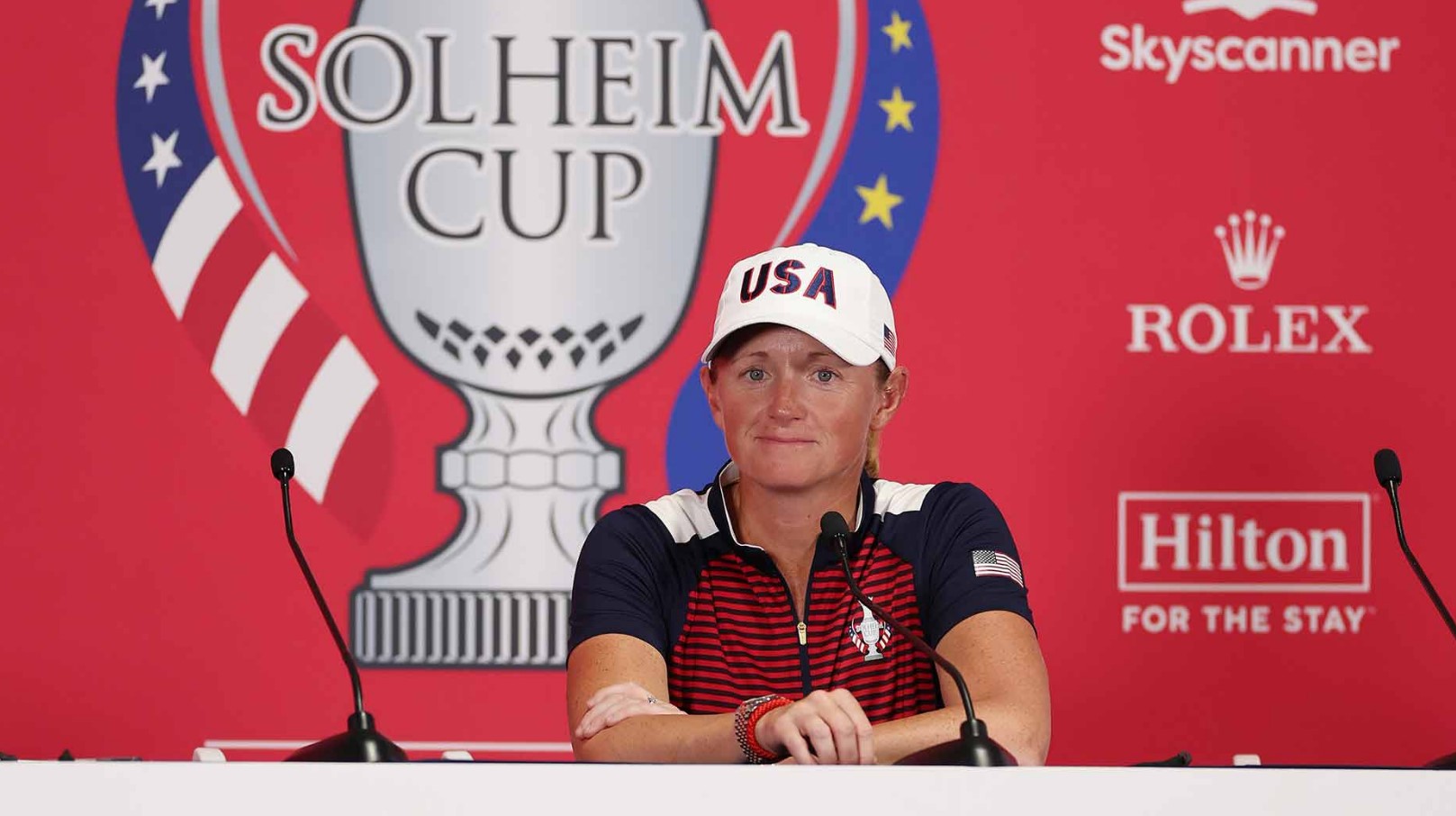
We find ourselves in the thick of preparations for the much-anticipated Solheim Cup, drawing attention not only to the strategies on the fairways but also to the logistics behind the scenes—specifically, the housing for the U.S. and European squads. This year, the teams are situated at the prestigious Robert Trent Jones Golf Club, which, amidst its vast greens and serene ponds, hosts several strategic lodgings.
Housing Allocation: Strategy and Comfort
The U.S. Solheim Cup team, led by Stacy Lewis, opted for what was considered the prime housing available, featuring extensive amenities including eight bathrooms and showers. This choice seemingly placed the host team at a logistical advantage. Conversely, the European team, guided by captain Suzann Pettersen, settled into their accommodation situated conveniently beside the driving range, a factor that has streamlined their prep work significantly.
European Squad’s Proximity: A Tactical Edge?
The location of the European team’s housing has inadvertently brought them closer to the practice area, allowing them easy and immediate access to the driving range. This proximity, highlighted by Anna Nordqvist’s content remarks about their placement, suggests a subtle yet potentially significant tactical edge. The accessibility could translate into more practice time and less travel within the venue, keeping the players focused and ready.
Cultural Dynamics at Play
The atmosphere around the team lodgings is tinged with a mix of competitive spirit and cultural expressions. Suzann Pettersen, known for her lively spirit, often plays tunes that resonate well with the European team’s vibe but has sparked comments from the U.S. squad about the adherence to contractual norms concerning noise and disturbances. This dynamic brings an intriguing cultural interplay into the mix, as music and camaraderie play out against a backdrop of strategic preparations and regulations.
Adapting to Challenges
The initial phase of the event saw both teams making necessary adjustments to their set-ups to accommodate the unique circumstances presented by their lodging choices. Stacy Lewis mentioned some logistical tweaks that were required to manage the spatial dynamics, with the Europeans expanding their presence slightly onto the driving range. These adjustments reflect the teams’ flexibility and ability to strategize under unconventional conditions, turning potential conflicts into constructive resolutions.
The Role of Housing in Team Morale
The choices in housing at major events like the Solheim Cup can significantly impact team morale and unity. For instance, the U.S. team enjoys a larger communal area which may serve to enhance team discussions and bonding. On the other hand, the Europeans’ ability to gather around a breakfast table right by the practice area keeps their strategies tight-knit and their focus sharp during early morning sessions. These subtle factors could influence the overall spirits and performance of the teams.
Reflections from Past Events
Housing arrangements and the controversies they sometimes stir are not new to team events in golf. Previous instances, such as the last Ryder Cup in Rome, saw ‘HatGate’ dominate headlines. These experiences underscore the importance of logistical planning and its impact on team dynamics and the smooth execution of international competitions.
In summary, as we move closer to the first tee-off, the housing strategy at this year’s Solheim Cup not only secures comfort but also plays a crucial role in the tactical and psychological readiness of the teams. While each team has made different choices, the impact of these decisions will unfold as the competition progresses, adding another layer of intrigue to this prestigious event in women’s golf.
Frequently Asked Questions (FAQs):
How are the U.S. and European teams housed for the Solheim Cup?
The U.S. team is staying in a prime accommodation with extensive amenities, including multiple bathrooms and showers. The European team is housed near the driving range, providing them with quick access to practice facilities.
Does the European team’s proximity to the driving range offer any advantages?
Yes, the European team’s proximity to the driving range allows for easier and more frequent practice sessions, which could potentially provide a tactical edge by maximizing their preparation time.
How do the housing arrangements affect team morale and dynamics?
The U.S. team’s larger communal area may enhance team bonding and discussions, while the European team’s close proximity to the practice area helps maintain focus and cohesion. These arrangements can influence team morale and readiness for the competition.
Leave a Reply