
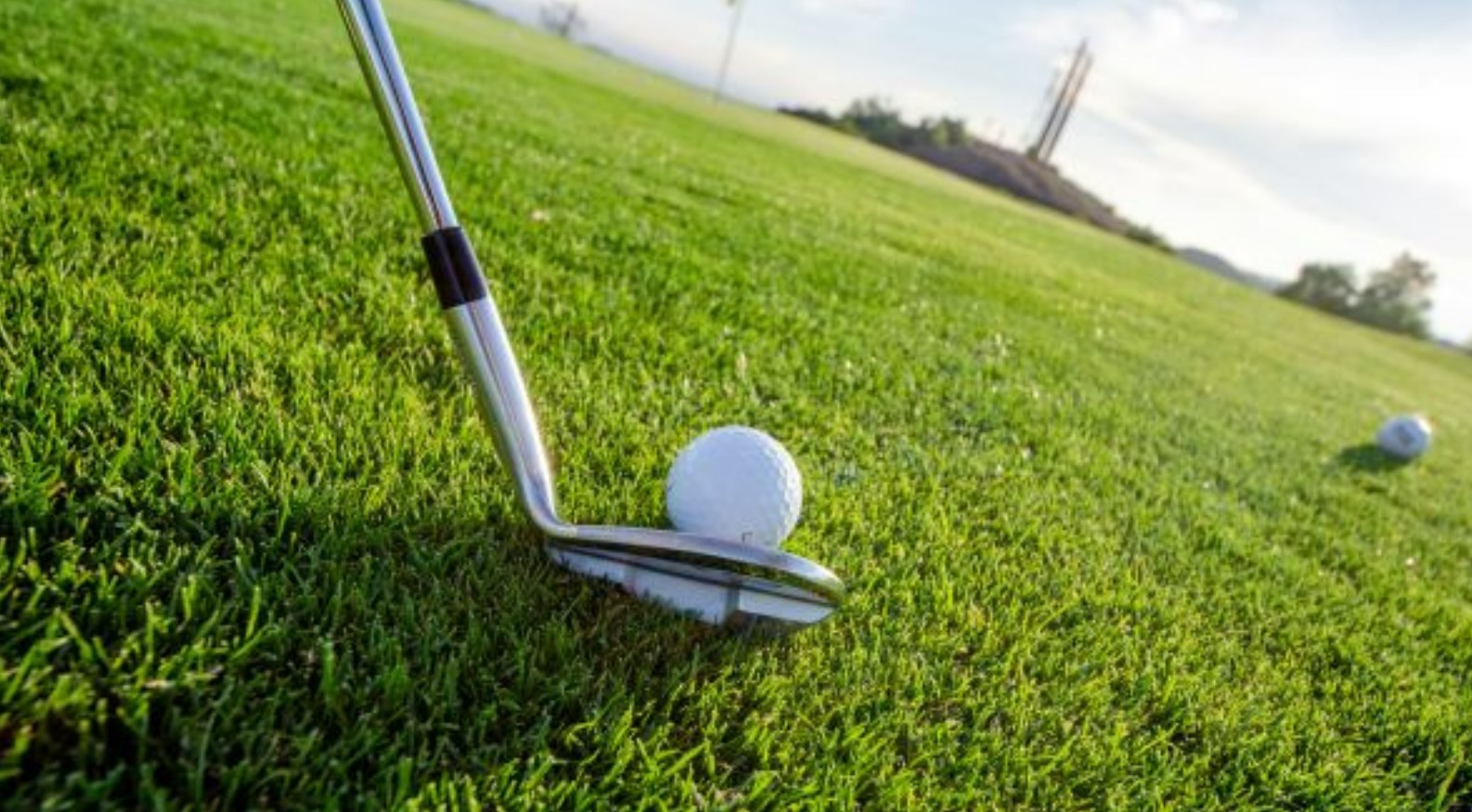
Improving your game often begins with reevaluating the equipment you use on the turf. Particularly, the irons are frequent culprits of subpar performance, and optimizing them can significantly enhance your gameplay. When your 7-iron starts acting up, it’s time to consider if the issues lie with your equipment. More often than not, a few calculated adjustments can make all the difference.
Understanding Iron Design and Performance Metrics
Acquainting yourself with the technical details of your irons can be enlightening. The initial step should involve consultation with a certified club fitter who can examine key metrics like carry distance and descent angle. These indices are crucial as they determine the ball’s stopping power and its ability to land and stay on the green. It is vital to achieve a descent angle of around 45 to 50 degrees, providing the ball with enough trajectory to stop effectively on the green.
Key Areas for Iron Adjustment
Focus on loft, golf ball, and shaft can yield substantial improvements in your iron’s performance. Often, inconsistencies in carry distance between irons can be corrected by adjusting the loft. Simple modifications to the head can alter launch, spin, and carry parameters effectively. However, it’s essential to handle such adjustments with care to prevent adverse effects on turf interaction and bounce, which are critical for maintaining the integrity of your club’s performance.
Choosing the Right Golf Ball and Shaft
The type of golf ball used can significantly influence spin rates and overall ball trajectory. Selecting a ball that complements your desired spin and launch characteristics can be a game-changer. Similarly, the shaft plays a pivotal role. Many golfers might not realize that off-the-rack shafts may not be ideally suited for their playing style. For instance, players who already have a high-spin and high-launch might benefit from a shaft that moderates these aspects, enhancing overall playability.
Partnering with a Knowledgeable Fitter
Collaborating with a skilled fitter is invaluable. They can provide insights into whether the stock shafts in your irons are aligned with your needs or if an alternative might enhance your game. Utilizing a fitting location equipped with a launch monitor can help in analyzing these factors accurately, ensuring that every adjustment contributes positively to your game. Such expertise can aid in refining your choices in terms of flex and bend profile, which could significantly impact your shot dispersion and spin.
By strategically selecting the right adjustments and equipment, you not only fine-tune your irons but also set the stage for more consistent and rewarding golf experiences. Remember, the correct gear is a crucial component of your game, and minor tweaks can lead to substantial improvements.
Frequently Asked Questions (FAQs):
Why is optimizing irons important for improving golf performance?
Optimizing irons is crucial because they play a significant role in your approach shots and accuracy. Proper adjustments can enhance carry distance, trajectory, and spin, leading to better ball control and more consistent performance on the course.
What key metrics should be considered when adjusting irons?
Key metrics include carry distance and descent angle. Ideally, you want a descent angle of around 45 to 50 degrees to ensure the ball lands and stays on the green effectively. Understanding these metrics helps in making precise adjustments to your irons for improved performance.
How do shaft and golf ball choices impact iron play?
The type of golf ball affects spin rates and trajectory, so choosing one that matches your desired characteristics is essential. Similarly, the shaft’s flex and bend profile influence your shot’s accuracy and consistency. Customizing these elements ensures they align with your playing style, leading to enhanced playability and better overall performance.
Leave a Reply