
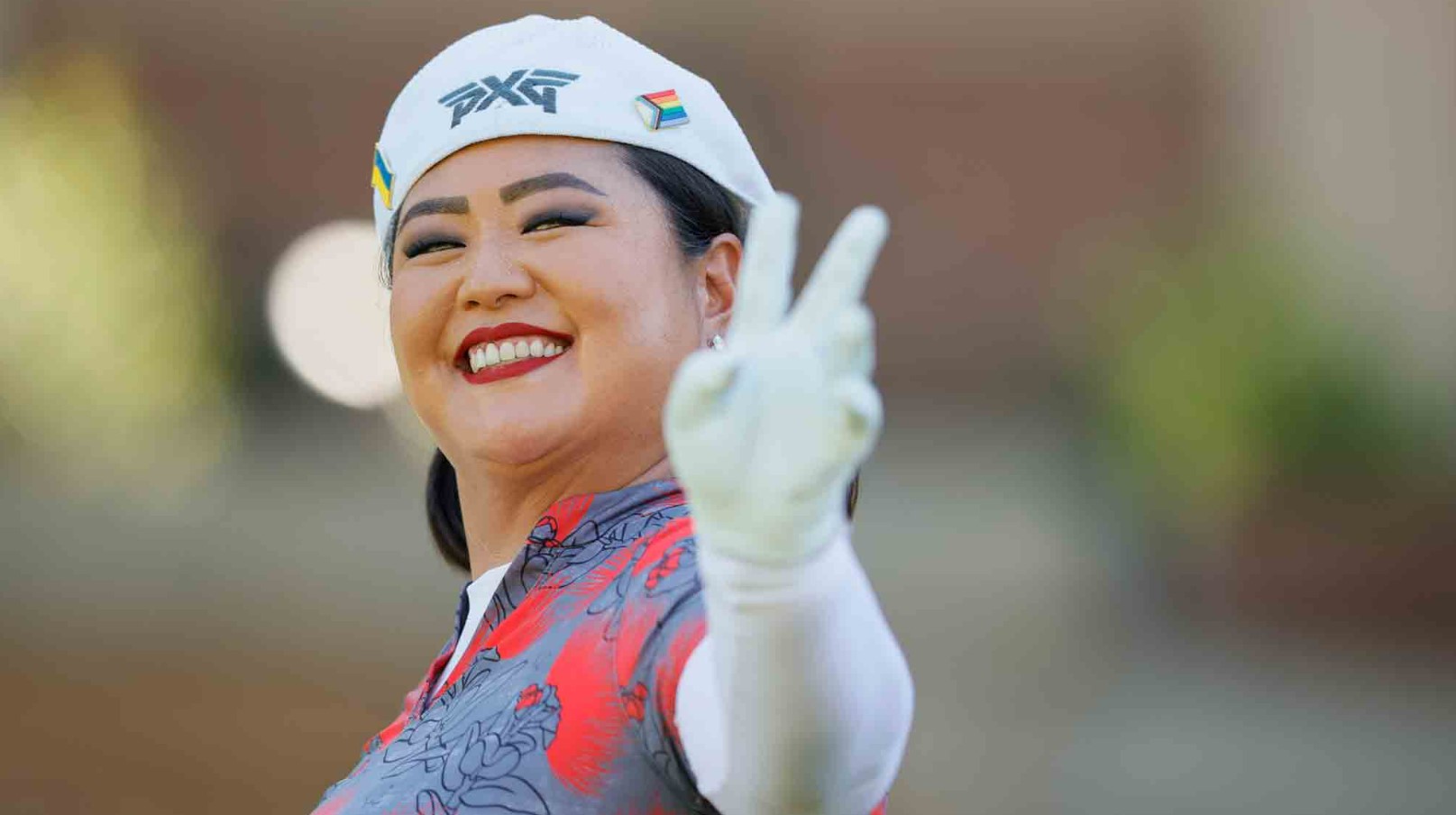
Springtime at UCLA brings a mix of excitement and uncertainty for Alicia Um Holmes, the women’s golf coach. After achieving a runner-up finish at the NCAA Championship in 2024, the anticipation for a successful title push is high, especially with the recruitment of top female amateurs enhancing team depth. Yet, the decision of whether these rising stars should continue their collegiate journey or turn professional after the fall remains a conundrum, primarily influenced by the harsh timelines set by LPGA Q-Series rules.
LPGA Q-Series: A Decisive Event for Collegiate Golfers
The LPGA Q-Series presents a pivotal event where many college players must decide their future post-advancement to its final stage. The rules are stringent—players must turn professional by December to compete further, compelling them to relinquish their amateur status prematurely. For some, like UCLA seniors Zoe Campos and Caroline Canales who are eyeing the second stage of the LPGA Q-Series, this might lead to a direct plunge into professional gigs, with potential security afforded by Epson Tour status.
Comparison Between Men’s and Women’s Access to Professional Circuits
The pathway to the professional landscape starkly differs when men’s and women’s games are juxtaposed. Men enjoy enhanced accessibility to professional ranks, bolstered by structures like PGA Tour University—which systematically elevates top collegiate players. Conversely, women’s golf, though burgeoning, lacks similar direct conduits, raising pivotal questions about equity and access among coaches and stakeholders within the arena.
The Role and Impact of PGA Tour University
PGA Tour University has unequivocally demonstrated its value by launching men directly from college greens to professional setups, with individuals like Ludvig Aberg from Texas Tech securing a PGA Tour card outright upon topping PGA Tour U rankings last spring—showcasing a streamlined gateway to the apex tours for collegiate competitors.
Is There a Call for LPGA Tour University?
This successful template spearheads queries about a parallel framework for female collegiate golfers. Notable coaches express a recurrent theme—whether such an integrated approach could be recalibrated for the LPGA Tour. The overarching sentiment leans towards an affirmative, suggesting profound benefits not only for players but for the broader spectrum of the sport—enhancing visibility, engagement, and developmental trajectories.
The Current Stance and Future Prospects
Despite the palpable need and voiced support for an initiative like LPGA Tour U, the response from higher echelons remains tepid. Insights from LPGA Commissioner Mollie Marcoux Samaan in 2022 did acknowledge the importance of nurturing diverse pipelines but fell short of confirming any imminent plans to embed a collegiate conduit directly to the LPGA Tour. This hesitation might stem from logistical complexities, potential dilution of membership exclusivity, and the distinct competitive landscape of women’s golf, which harbors fewer professional slots compared to its male counterpart.
Coaches and Players Alike Clamor for Change
The ongoing discourse among seasoned coaches and the emerging talent pool signals a strong collective will to reform. A more straightforward pathway would not only preserve talent within collegiate bounds longer but also fortify the sport’s foundations by ensuring that transitioning athletes do not forsake their education prematurely for professional pursuits.
In an eco-system where transformation is fostered by necessity and advocacy, the persistent dialogue surrounding direct avenues for top women collegiate golfers to the LPGA Tour might soon reach a tipping point. Until then, the hope for an equivalent to PGA Tour University for women remains just that—a hope, underscored by the relentless pursuit of equality and recognition in one of sport’s most traditional arenas.
Frequently Asked Questions (FAQs):
What challenges do collegiate women golfers face regarding their professional futures?
Collegiate women golfers face significant challenges with the LPGA Q-Series rules, which require them to turn professional by December, often forcing them to give up their amateur status before they feel ready.
How does the professional access differ between men’s and women’s golf?
Men’s golf has structured pathways, like PGA Tour University, that facilitate direct transitions from college to professional ranks. In contrast, women’s golf lacks a similar system, limiting access and opportunities for female players.
Is there support for establishing a program like PGA Tour University for women?
There is strong support among coaches and players for creating an LPGA Tour University to provide a clearer pathway for collegiate women golfers to turn professional, though there has been little response from the LPGA regarding implementation.
Leave a Reply