
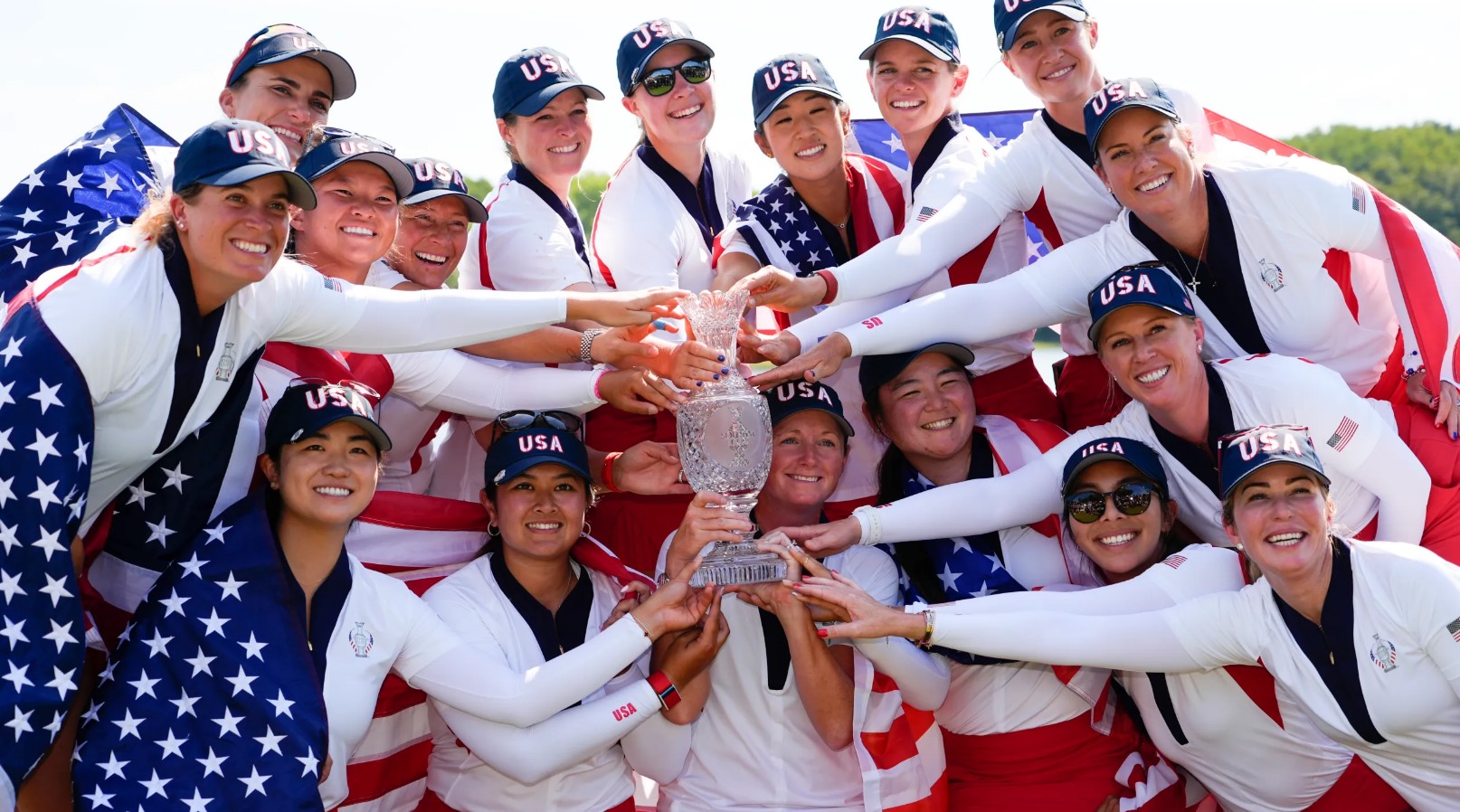
We experienced a milestone in attending the exhilarating Solheim Cup, where Team USA claimed a memorable victory, marking their first win since 2017. The championship not only showcased the exceptional talent of women in golf but also highlighted individuals like Lilia Vu, who emerged as a pivotal figure for Team USA. Vu, a major name in women’s golf, expressed her mixed feelings about recognition in the sport, “It doesn’t feel like we’re big time,” despite the overwhelming fan support she received, which was a new and profound experience for her. The atmosphere at the Robert Trent Jones Golf Club was electric, a stark contrast to the typically more subdued environments at men’s golf events.
Vu’s interaction with the fans, particularly the echoes of her name across the greens, provided her with an astronomical boost, underlining the impact of audience engagement in elevating the women’s game. Such support not only enhances the atmosphere but also plays a crucial role in motivating athletes and drawing more spectators and future players to women’s golf.
The staggering fan turnout and the vibrant ambiance set the stage for a deeper appreciation of the sport, challenging the prevailing disparities in media coverage and public support between men’s and women’s sports.
Growing the women’s game to reach that 50/50 equality goal
Our day continued with witnessing empowering matches at the Washington Spirit soccer game and the WNBA event featuring the Washington Mystics. These encounters opened our eyes to the burgeoning prowess and burgeoning profile of women athletes across different sports. Notably, soccer players like Trinity Rodman and Casey Krueger showcased their formidable skills, converting us into instant fans with their intensity and dedication on the field.
However, despite their skill and presence, signs of inequality were still evident, exemplified by the pervasive presence of D.C. United emblems in the stadium, overshadowing the women’s event. Such disparities extend beyond the field into areas like merchandise availability and media coverage, underscoring the ongoing struggle for equality in the realm of women’s sports.
Addressing these inequalities is not just about fan attendance; it involves a holistic enhancement of women’s sports media representation. Ally Financial has stepped in with initiatives aimed at balancing the scales, committing to a 50/50 media spend between men’s and women’s sports. This pledge is a call to action for both marketers and journalists to amplify their efforts in supporting women’s sports through equitable coverage and promotion.
Our responsibility as journalists is to spotlight these incredible athletes and events consistently, not just during high-profile games or Olympic seasons. Increased media coverage can significantly impact public interest and commercial investments, propelling women’s sports to greater heights of recognition and success.
Witnessing women lead in viewership and engagements during the Olympics, where they claimed a majority of Team USA’s medals, we see the undeniable potential and allure of women’s sports. It’s imperative that we leverage this momentum to advocate for sustained, equitable coverage across all media platforms.
As we champion for equality in sports coverage, let’s make women’s sports unmissable, treating every match and tournament with the reverence and enthusiasm they rightly deserve. It’s time we shift the narrative, advocating for equal representation in sports journalism and beyond, ensuring women athletes receive the recognition and celebration they command and deserve.
Frequently Asked Questions (FAQs):
What was significant about Team USA’s win at the Solheim Cup?
Team USA’s victory at the Solheim Cup marked their first win since 2017, showcasing the talent of women in golf, particularly through standout performances like Lilia Vu’s.
How did fan support impact the Solheim Cup experience?
The overwhelming fan support at the Solheim Cup created an electric atmosphere, motivating players like Lilia Vu and helping to elevate the visibility of women’s golf compared to typical men’s events.
What are some ongoing challenges for women’s sports?
Despite the talent and popularity of women’s sports, there are still disparities in media coverage, branding, and overall support, which hinder equality in representation and recognition compared to men’s sports.
Leave a Reply