
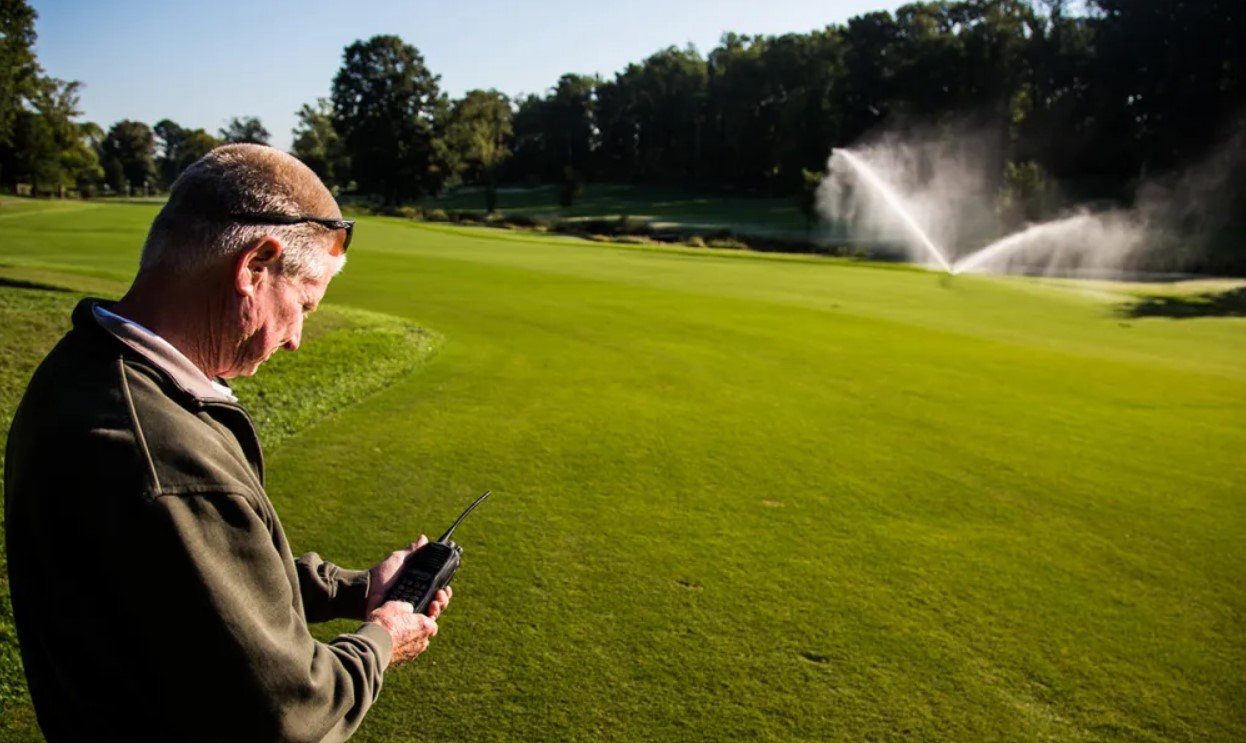
As we step further into this decade, the concerning trend of fluctuating water levels across various regions of the United States has put us in a position where we must critically examine each sector’s water usage. According to the Environmental Protection Agency, from 2000 to 2020, the combined force of increased dry conditions and a marked rise in Earth’s average temperature has resulted in heightened evaporation and transpiration rates. This paradox has led to increased atmospheric moisture levels, potentially increasing precipitation yet exacerbating drought conditions in areas already grappling with water scarcity.
Golf’s Unique Position in Water Conservation
In the sprawling landscapes of the United States, golf courses represent a unique intersection of leisure, sport, and environmental stewardship. Overseeing this fine balance, the USGA Green Section has entrenched itself in over a century of irrigation research, with its efforts intensifying in recent decades, particularly in the Southwest. The looming threat of water shortages and drought conditions has made the study of groundwater sources—particularly aquifers—more critical than before. As Matteo Serena, Ph.D., a senior figure at the USGA, has stressed, the precarious state of these natural reservoirs, which lack quick recharge capabilities, spells a significant risk not only to the region but also to the habitats and industries reliant on these water sources.
Moving Beyond Assumptions: Golf as a Responsible Steward
The notion of golf courses as extravagant water consumers is a common stereotype that undermines their broader environmental contributions. With nearly 16,000 golf facilities taking up less than 1% of the US arable land, their impact on the national water crisis might seem minimal at face value. However, these green spaces are not only zones of recreation but also crucial urban green areas that offer significant ecological benefits, from providing habitat for local flora and fauna to aiding in carbon sequestration and urban temperature regulation through their vast transpirative landscapes.
Water Conservation in Practice
Addressing the challenges posed by climate trends, which predict rising water costs and potential impositions on water use, the golf community is actively identifying strategies that balance operational sustainability with ecological responsibility. The narrative around golf’s water use is poised for a major shift, driven by innovation and strategic adjustments to course maintenance. Educational initiatives and technological adaptations, guided by the USGA, have positioned golf courses as leaders in water stewardial practices, further illustrated by the case studies of golf courses in the Southwest desert.
Case Study Insights: Mirabel and Anthem Golf Clubs
Located in the arid landscapes of Arizona and Nevada, Mirabel Golf Club and Anthem Country Club offer invaluable lessons on the efficacies of adopting sustainable practices. Both clubs have undertaken significant renovations and strategic pivots toward using drought-resistant grass varieties like Bandera bermudagrass, alongside the incorporation of advanced moisture management technologies and turf optimization strategies.
Mirabel Golf Club, in particular, has emphasized the need for innovative irrigation tactics, leveraging deficit irrigation and soil moisture sensors to maintain playability while reducing water usage dramatically. Their forward-thinking approach extends to the use of effluent water and a robust sand topdressing regimen, significantly enhancing soil absorption capacities and overall water efficiency.
Similarly, Anthem Country Club responded to a water-reduction mandate with a comprehensive overhaul of its irrigation systems and the introduction of water-efficient grass varieties across its fairways. The initiative not only aligned with regulatory requirements but also enhanced the playability and aesthetic value of the course, propelling the club towards environmental and operational excellence.
USGA’s Proactive Strategies and the “15-30-45” Initiative
The USGA remains steadfast in its commitment to resource management, underscored by the “15-30-45” initiative—a visionary project aiming to reduce water usage across U.S. courses by up to 45% over the next 15 years. This ambitious program seeks to highlight and expand upon existing technologies and practices that can significantly reduce water use without compromising course quality or playability.
Through collaborative research and practical demonstrations, the USGA showcases real-world applications of these techniques, ensuring that the courses remain viable and competitive. As the guiding body, the USGA also provides a comprehensive Water Conservation Playbook to superintendents and course managers, which details successful strategies validated by scientific research and field testing.
Concluding Thoughts on Golf’s Sustainable Journey
With the advancements in turfgrass management and strategic conservation efforts, the golf industry is setting a precedent for how sports and recreation can interlink seamlessly with mindful ecological stewardship. As we continue to navigate the challenges posed by climate change and societal shifts in resource usage, the enduring spirit of innovation within the golf community ensures that the sport not only survives but thrives, maintaining its allure and enjoyment for generations to come. In this light, golf not only remains relevant but also exemplifies the possibilities within the realm of sustainable sports management.
Frequently Asked Questions (FAQs):
How does golf contribute to water conservation?
Golf courses can conserve water through innovative irrigation techniques and by using drought-resistant grasses.
What initiatives are in place to reduce water usage in golf?
The USGA’s “15-30-45” initiative aims to reduce water usage by up to 45% across U.S. golf courses over 15 years.
Can you provide examples of golf clubs successfully implementing sustainable practices?
Mirabel Golf Club and Anthem Country Club use drought-resistant grasses and advanced irrigation methods to cut water usage significantly.
Leave a Reply