
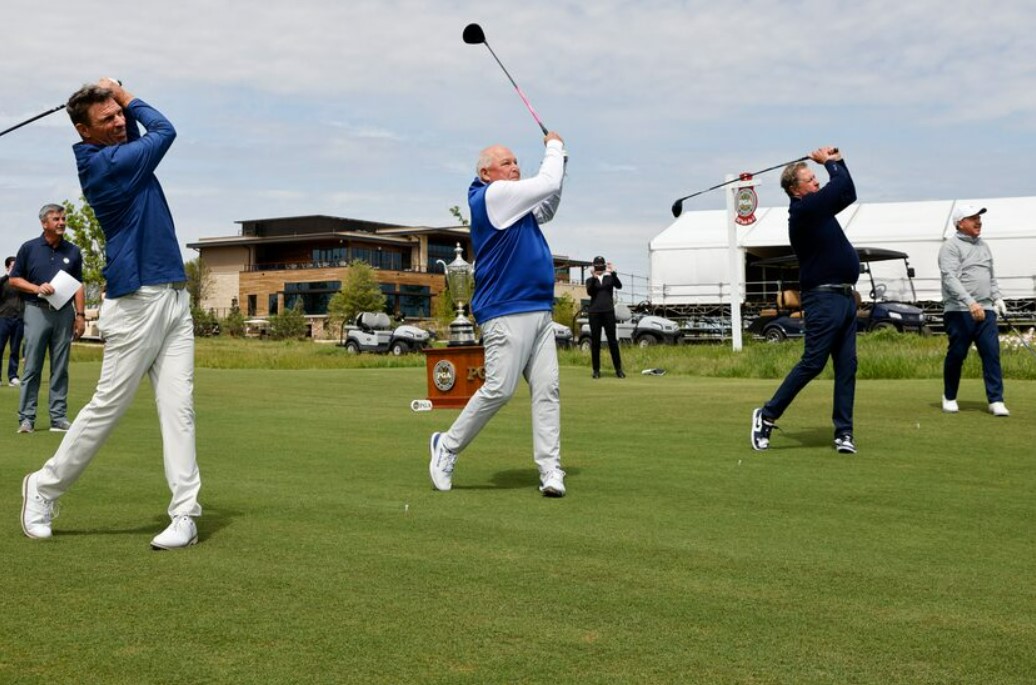
We’ve witnessed a notable rise in opportunities within the adaptive golf community, especially post the inaugural U.S. Adaptive Open at Pinehurst. Spearheaded by organizations like the Golf Association of Philadelphia (GAP) and USGA, initiatives have blossomed, providing engaging platforms for athletes with disabilities to exhibit their prowess and passion for golf.
Driving Change from Honey Brook Golf Club to National Platforms
At the core of this transformative wave is the implementation of adaptive clinics, such as those at Honey Brook Golf Club. These clinics are not just about learning the sport but embracing the broader spectrum of capabilities. With adaptive golf, modifications to equipment and rules ensure everyone, regardless of physical or sensory challenges, can participate in the sport they love.
The Integral Role of PGA Professionals and Clinics
We recognize the indispensable role played by PGA professionals in fostering a nurturing and inclusive environment. Through No Limit Clinics and other similar initiatives, these professionals are at the frontlines, teaching and adapting the sport to meet diverse needs. Each session is tailored meticulously to ensure it aligns with the distinct goals and abilities of participants, encapsulating the essence of accessibility and personal achievement.
Kittelson’s Journey: Merging Passions and Professions
Figures like Anna Kittelson illustrate the profound impact of merging personal passions with professional pursuits. Kittelson’s journey from a high school student and volunteer to a pivotal role at GAP as the manager of adaptive golf showcases how personal experiences can shape professional landscapes. Her efforts to drive inclusivity in golf at the local and regional levels highlight a commitment to not just playing the sport but reshaping its future.
Broadening Horizons: The USGA’s Role and Initiatives
The USGA has been instrumental in nurturing the adaptive golf landscape. From introducing the Modified Rules of Golf for Players with Disabilities to launching grants and championing the World Ranking for Golfers with Disabilities, the USGA’s endeavors enrich the sport’s accessibility. The establishment of the U.S. Adaptive Open stands as a testament to these efforts, creating a competitive yet welcoming arena for athletes.
Increasing Participation and Breaking Stereotypes
Events such as the U.S. Adaptive Open do more than just showcase skill—they also shatter stereotypes about the capabilities of golfers with disabilities. The narrative is changing, with athletes like Tyler Cashman leading by example. These players demonstrate that competitive spirit thrives, irrespective of physical challenges, elevating the sport’s profile and encouraging a broader spectrum of participation.
The Impact of Expanded Competitive Fields
The expansion of competitive opportunities is evident in the burgeoning number of tournaments and participants, from local clinics to national championships. For instance, a significant increase in the field size for events like the Georgia Adaptive Open indicates a growing interest and dedication to adaptive golf. This enthusiasm is not just among the players but across the board—including organizers, spectators, and sponsors.
Fostering Futures: From Juniors to the Professional Realm
Looking forward, the focus is on inclusivity, aiming to bring more juniors and women into the fold. By fostering early interest and providing platforms for competition, organizations like AGAs ensure the sport continues to grow at the grassroots level. This strategic approach not only develops new talent but also integrates adaptive golf into the wider sporting landscape, making it a natural part of the golfing community.
Creating a Unified Community Through Golf
Ultimately, our objective transcends competition; we aim to cultivate a sense of community and fellowship among all golfers, irrespective of their physical abilities. It’s about crafting moments of joy, friendship, and shared experiences on the green. As we forge ahead, each tournament, clinic, and session is a step toward a more inclusive, dynamic, and inspiring golfing community.
Conclusion: The Driving Force Behind Adaptive Golf’s Rise
As pioneers like Kittelson and supportive entities like the USGA continue to push boundaries, the adaptive golf community flourishes. With every drive on the range and every putt on the green, adaptive golfers are not just playing a game; they are inspiring a movement. Here, every stroke is a testament to resilience, determination, and the relentless spirit of inclusivity that defines the true essence of sport.
Frequently Asked Questions (FAQs):
What initiatives support adaptive golfers?
Organizations like GAP and the USGA offer adaptive clinics and events like the U.S. Adaptive Open, providing inclusive opportunities for golfers with disabilities.
How do PGA professionals help adaptive golf?
PGA professionals lead adaptive clinics that cater to individual needs, creating a welcoming environment for golfers to learn and grow.
What is the impact of the U.S. Adaptive Open?
The U.S. Adaptive Open showcases adaptive golfers’ skills and helps break down stereotypes, promoting more interest and participation in adaptive golf.
Leave a Reply