
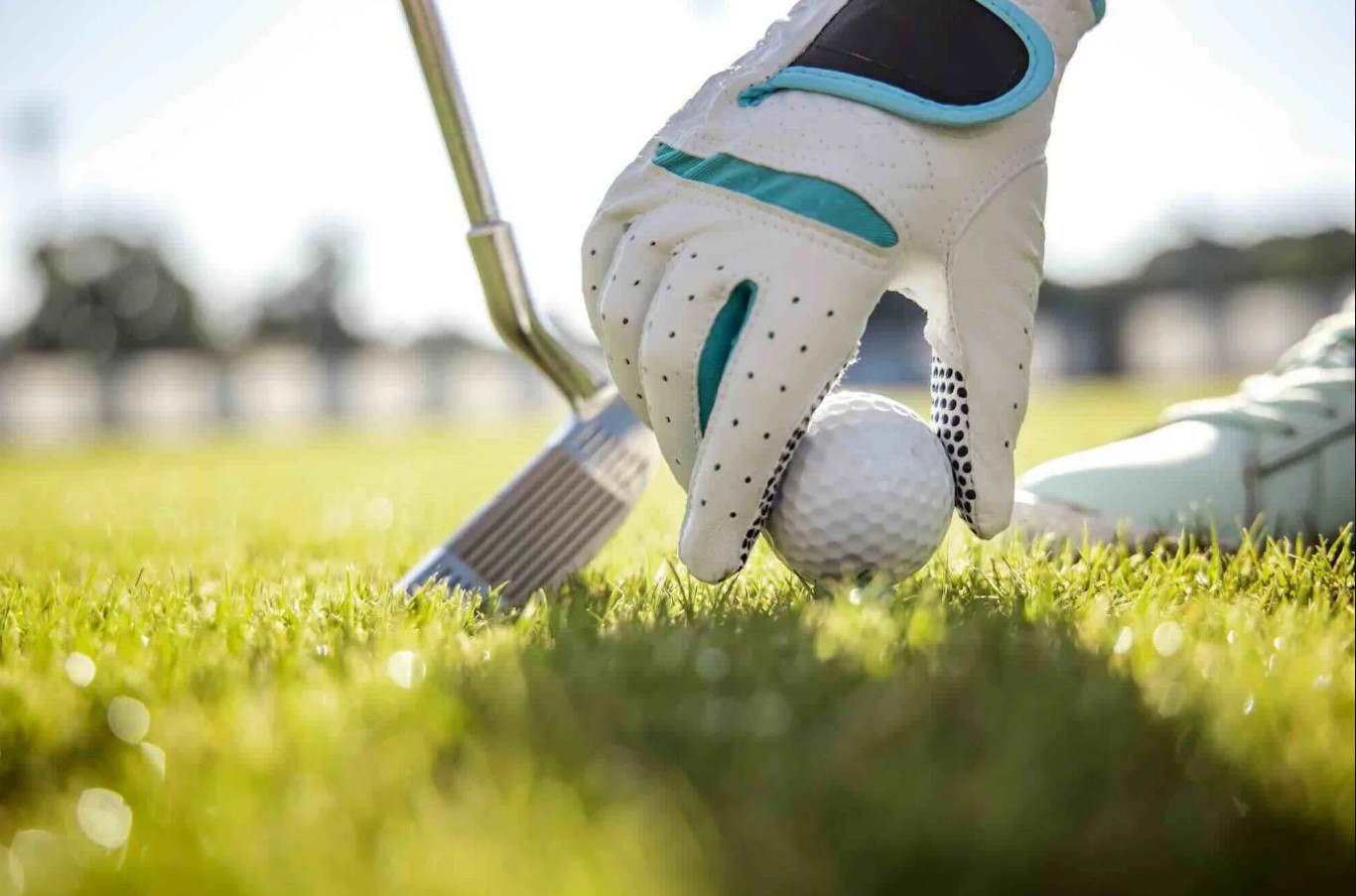
Several studies, including notable research from industry leaders, suggest a concerning trend: nearly two-thirds of golf players may be impairing their game due to improperly fitted gloves. Such a high percentage underlines a common oversight in the golfing community where the significance of a snug, well-maintained glove is frequently underestimated.
The Importance of a Snug Glove Fit
A golf glove should embody the “second skin” feel, conforming closely to the hand without any loose fabric that could impede the grip on your club. A glove that fits well will not only prevent unwanted material from gathering during play but will also enhance overall control, speed, and the tactile connection with the club. Ideally, when spread your hand while wearing a properly fitting glove, you should notice the material in the palm stretches slightly, ensuring a firm fit without cutting off circulation.
Choosing the Right Size: Understanding Glove Sizing
The glove should terminate right at each fingertip without surplus material. If you detect excess fabric, consider opting for a cadet-style glove, particularly designed for those with shorter fingers and broader palms. Pay attention to the Velcro closure; a gentle pull should suffice to secure it. If you find yourself overstretching the band, the glove might be too tight, risking discomfort and restricted mobility.
Material Considerations: Natural vs. Synthetic Leather
Golf gloves are crafted from various materials, each offering distinct advantages. Gloves made from natural leather, like the premium Cabretta leather, are favored by many professional players because of their unparalleled feel and grip enhancement. These gloves are typically thinner, allowing closer contact with the club.
On the other hand, synthetic leather gloves provide increased durability and quicker drying times, making them a practical choice for regular players. They are generally more affordable than natural leather gloves, providing a cost-effective alternative without significantly sacrificing performance.
Proper Glove Maintenance: Extending Your Glove’s Life
How you care for your golf glove significantly impacts its longevity and performance. After a round of golf, ensure your glove is aired out rather than left crumpled up in a bag pocket. Leather gloves, in particular, require drying out in a cool, ventilated space to prevent the material from becoming stiff and brittle.
Advanced Options: Rain Gloves for Adverse Weather
For golfers frequently facing wet conditions, rain gloves can offer substantial benefits. Unlike traditional gloves, rain gloves are designed to provide better grip as they become wetter. Made primarily from synthetic materials like mesh or microfiber, these gloves help maintain a steady, effortless grip during rainy play.
Glove Storage Solutions
Consider investing in a glove holder to keep your gloves in optimal condition. These holders keep the gloves flat and organized, easing transport and storage while preserving the material’s integrity.
Final Thoughts: Testing for the Best Fit
The only true test for selecting the right glove is trying on various models to discern which provides the best blend of comfort, fit, and functionality. Depending on your budget and priorities, you may find that natural leather gloves offer the sensitivity needed for precise shots, while synthetic gloves might win out in terms of durability and cost-effectiveness.
Frequently Asked Questions (FAQs):
Why is a properly fitted golf glove important for my game?
A properly fitted golf glove ensures a snug fit that enhances grip, control, and overall tactile connection with the club. Studies indicate that nearly two-thirds of golfers might negatively impact their performance due to poorly fitting gloves.
What materials are best for golf gloves?
Natural leather gloves, like premium Cabretta leather, provide excellent feel and grip, while synthetic leather gloves offer durability and quick drying times. The choice depends on personal preference and playing conditions.
How can I extend the life of my golf glove?
Proper maintenance includes airing out the glove after each use, storing it flat in a ventilated space, and avoiding crumpling it in a bag. This helps prevent stiffness and preserves the glove’s performance over time.
Leave a Reply