
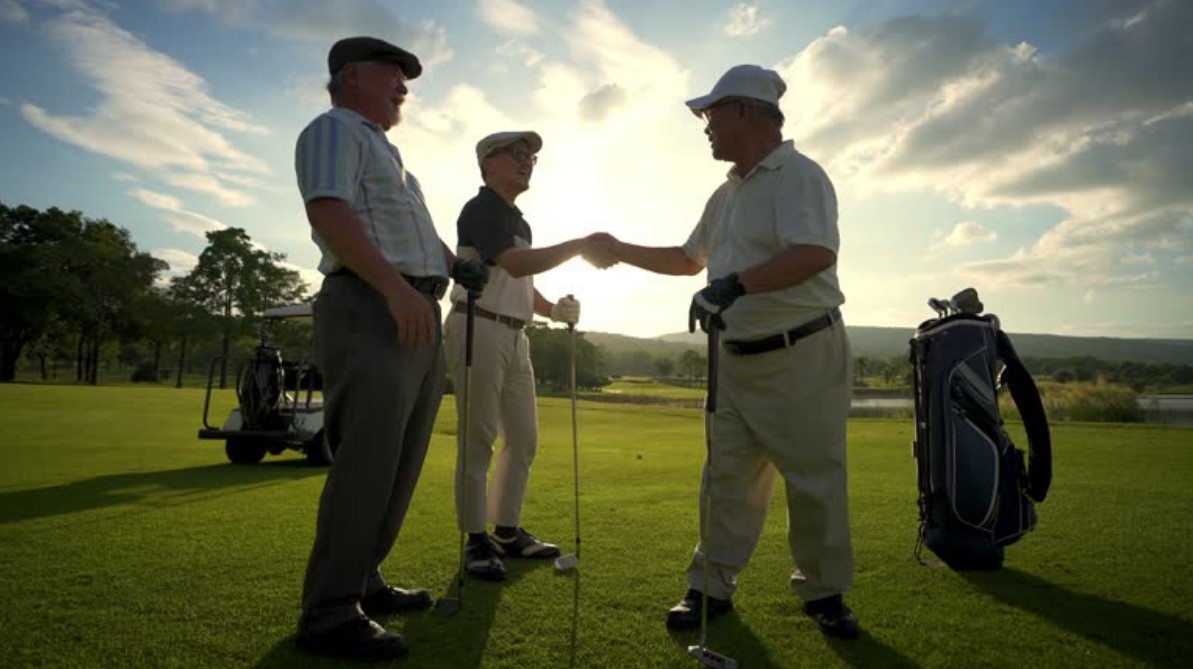
We’ve observed an intriguing trend among golf professionals on Saint Simons Island, Georgia, emphasizing unconventional methods to enhance mental strength and performance. Notably, the regimen includes techniques such as hugging trees, walking barefoot, and appreciating the simple beauty of flowers. These activities are not merely whimsical pastimes but are part of a structured approach advised by sports psychologists to foster a calm, focused mindset essential in high-stakes environments.
The Impact of Environmental Interactions on Performance
Engaging with nature in seemingly playful yet profound ways can significantly alter a golfer’s mental state. For instance, the physical act of hugging a tree or the tactile sensation of walking barefoot on grass can recalibrate emotions, leading to enhanced focus during a game. This connection to nature can transform frustration into patience and help maintain composure after a bad shot. The mental side of golf is as crucial as physical skill, and nurturing this aspect can lead professional golfers to be more organized and unflappable on the course.
Case Study: A Pro Golfer’s Shift to a Nature-Inclusive Mental Strategy
Recently, a professional golfer from Saint Simons Island introduced these nature-based practices into his routine with remarkable results. After a hiatus and missing out on a major tournament, he sought to revamp his mental strategy to improve his game. Incorporating recommendations from a seasoned sports psychologist who specializes in working with athletes, he embraced this new approach. On his return, he reported feeling in a better headspace, which he attributed to his revised, nature-focused mental training.
Scientific Perspective on Environmental Psychology in Sports
Research in environmental psychology suggests that exposure to natural elements can reduce stress, enhance creative thinking, and improve mood, all beneficial to sports performance. Professional golfers finding solace and mental clarity through these activities is a testament to the broader applications of environmental psychology in sports. In practice, this means that athletes can harness these benefits to cultivate joy, positivity, and a resilient mindset crucial for competing at the highest levels.
Adopting a Playful and Joyful Approach to Professional Sports
The journey towards integrating these serene practices into a golfer’s regimen is both individual and communal. It encourages players to not only focus on physical training but to also engage deeply with their surroundings, fostering a joyful and positive outlook. This mental transformation is often what distinguishes top-performing athletes from their peers, as the ability to stay positive and mentally organized during a game can lead to consistent high performance.
Conclusion: The Future of Mental Training in Golf
The exploration of integrating nature into mental training routines is just beginning to unfold within the professional golfing community. As more athletes and coaches recognize the benefits of such practices, we can expect to see a more holistic approach to sports training, where mental well-being is as prioritized as physical prowess. For golfers on Saint Simons Island and beyond, the future looks promising as they continue to discover and harness the power of nature in achieving sports excellence.
Frequently Asked Questions (FAQs):
What unconventional methods are golf professionals using to enhance mental strength?
Golf professionals are using practices like hugging trees, walking barefoot, and enjoying nature to help focus and calm their minds during competitions.
How do these nature-based practices affect golfers’ mental states and performance?
Interacting with nature helps golfers feel less frustrated and more focused, which is important for staying calm after tough shots and performing consistently.
What does research say about nature and sports performance?
Studies show that being in nature can lower stress, improve mood, and boost creativity, which can help golfers perform better by creating a positive and resilient mindset.
Leave a Reply