
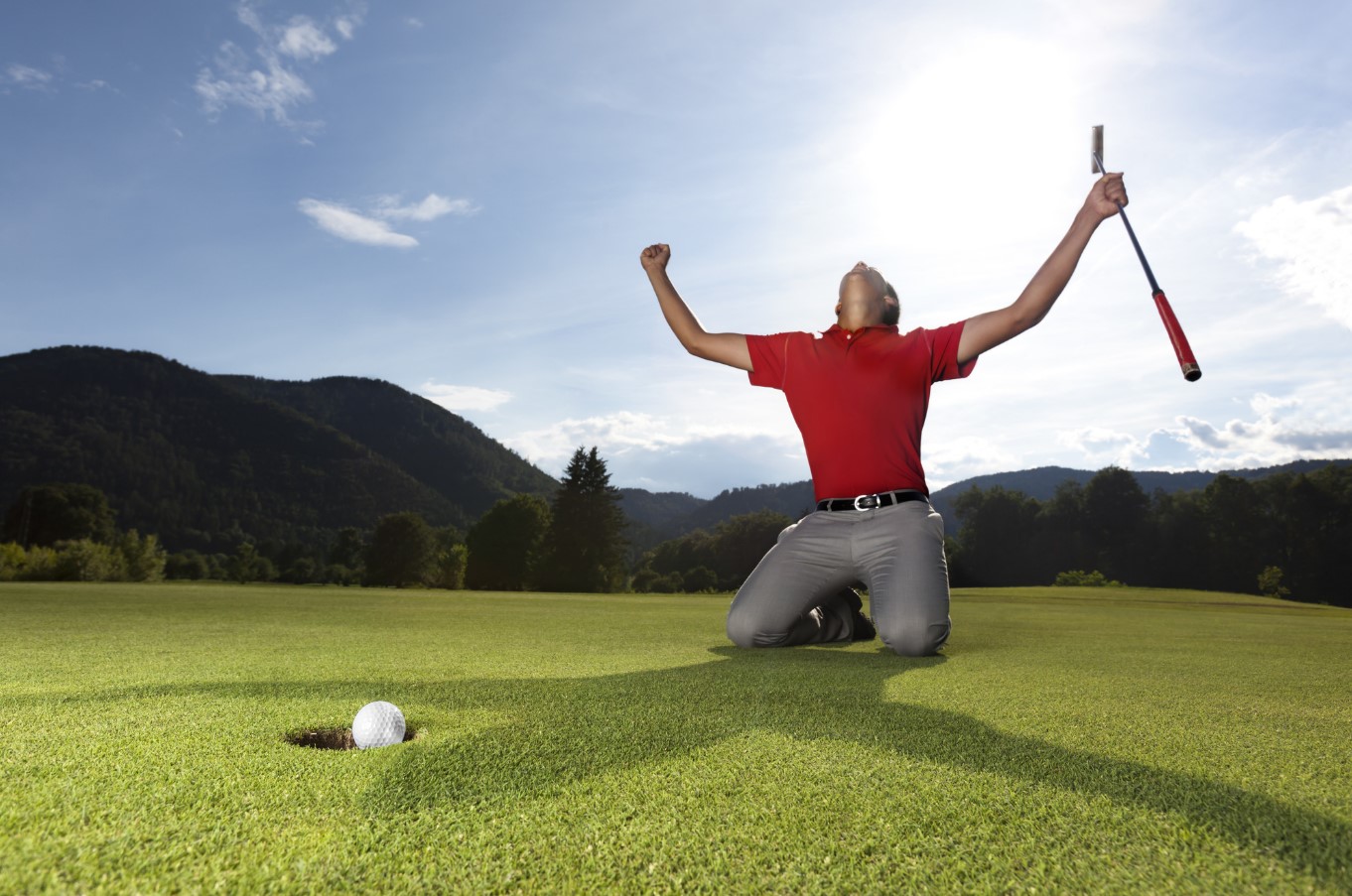
We all understand the rush of emotions that flood through us during critical moments. In professional golf, especially during esteemed team events like the Solheim Cup, the intensity of these emotions peaks. When standing on the first tee, even seasoned professional golfers experience a surge of adrenaline and nerves. It’s a moment where the atmosphere intensifies, resembling that of a pulsating football match rather than a tranquil golf game.
Strategies to Harness Adrenaline in Competitive Settings
The journey to mastering first-tee anxiety involves embracing the intense emotions rather than avoiding them. Players like Linn Grant, heralded for her impressive track record as a newcomer, openly acknowledges her embrace of these high-pressure moments. According to her, the affection for these adrenaline-driven experiences is integral to her love for competitive golf. Her strategy lies in shifting her perspective to see these moments as opportunities rather than obstacles.
Adopting a Strict Process to Combat Nerves
Amid the heightened emotions of a competitive environment, pro golfers often emphasize the importance of adhering to a strict process. Such a disciplined approach becomes their anchor, preventing them from being swayed by overwhelming emotions. This approach is crucial for maintaining performance under pressure, ensuring that each action, from swing mechanics to breathing techniques, is meticulously executed as practiced.
Utilizing Support Systems in High-Pressure Scenarios
Lauren Coughlin, participating in her rookie Solheim Cup appearance, shares that one of her main strategies for managing first-tee jitters involves leaning on her support network of friends and family. Competing in her home state, she acknowledges the inevitable pressure but chooses to focus on controlling what she can—her responses and her game plan. For Lauren, the emphasis is on internal control and relying on pre-established processes that have been refined through practice.
Application for Recreational Players Facing Club Championships and Other Events
While the scale differs, the essence of first-tee nerves is something that resonates with us all, from professional athletes to recreational players. The strategies adopted by top golfers can be equally effective for amateurs competing in local club championships or simply playing in front of a new group of peers. Embracing the nerves, focusing on the process, and relying on a support network are universally applicable tactics that can help manage pressure and enhance enjoyment of the game.
Conclusion: Embracing Nerves as Part of the Competitive Journey
In conclusion, transforming first-tee nerves into a strength requires a mindset shift, a strict adherence to process, and the utilization of a support system. Whether you are a seasoned professional facing the roar of a crowd at the Solheim Cup or a recreational player dealing with the silent anticipation of peers, the key lies in controlling what you can and embracing the inherent emotions of competitive instances.
Frequently Asked Questions (FAQs):
Do professional golfers get nervous on the first tee?
Yes, even seasoned professional golfers experience nerves on the first tee, especially during high-pressure events like the Solheim Cup. The surge of adrenaline is natural, and many embrace it as part of the competitive journey.
How do golfers manage first-tee anxiety?
Golfers manage first-tee anxiety by following a strict process, focusing on their swing mechanics, breathing, and routines. They also lean on support systems, like friends and family, to stay grounded during high-pressure moments.
Can recreational golfers use the same strategies as professionals?
Yes, recreational golfers can adopt similar strategies, such as embracing their nerves, focusing on the process, and relying on support from others. These techniques help manage pressure and enhance performance during local tournaments or casual rounds.
Leave a Reply