
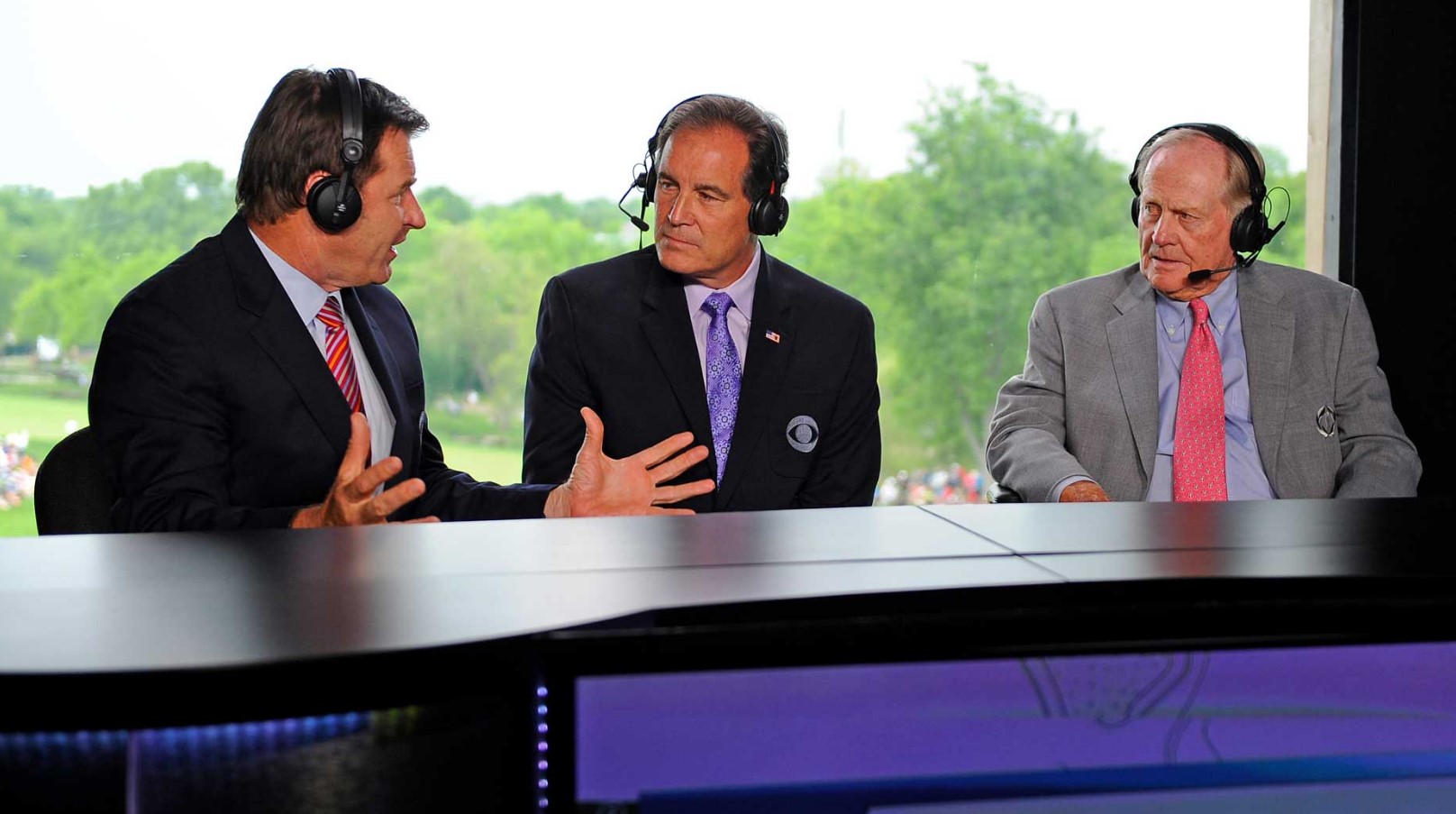
When facing the daunting waters of Muirfield Village, golf legend Jack Nicklaus advocates for a conservative yet strategic approach. Discussing course management on national TV, Nicklaus emphasized aiming towards the center of the green to avoid unnecessary hazards. Contrary to Faldo’s suggestion of a “one-yard fade,” Nicklaus maintained that it is crucial never to direct the ball towards peril, including out of bounds, lakes, or trouble spots.
Billy Horschel’s Approach at the Memorial
During the 2022 Memorial Tournament, Billy Horschel faced a challenging shot at the 16th hole with water lurking dangerously close to the pin. Opting against aggressive tactics, Horschel’s selection underscored a fundamental golf strategy; play safely and use the course’s layout to guide ball flight, minimizing the odds of encountering trouble.
Innovative Golf Instruction by Kelan McDonagh
Amidst the standard practices, Kelan McDonagh, director of instruction at Metedeconk National Golf Club, introduces a bold method to improve shot-making. By initially aiming at obstacles like out of bounds, his training technique encourages golfers to mentally recalibrate their approach to maneuver the ball safely into play. This method, fostering both high and low, left and right ball controls, challenges traditional teachings and promises a unique pathway to mastering golf’s mental game.
The Role of Mental Strategy in Golf
McDonagh, reflecting on his training under Neil Manchip, observed that unconventional methods could lead to superior control and understanding of one’s golf swing. By regularly confronting the ‘fear’ of out of bounds with practice, golfers can significantly enhance their focus and control, leading to a more disciplined and consistent ball flight.
Ben Hogan’s Legendary Technique
Historical strategies by professionals like Ben Hogan also highlight the effectiveness of working the ball away from trouble. Hogan’s technique of aiming directly at hazards but executing a fade to steer the ball to safety exemplifies the precision and bravery required to excel in golf. This method not only ensures safety but also bolsters a golfer’s confidence in making bold, strategic decisions.
Adapting to Environmental Conditions
Current professional players often adapt their strategies based on environmental factors such as wind direction. For instance, on gusty days, choosing a shot shape like a cut can combat wind effects and maintain a straighter flight path, critical in conditions that dramatically influence ball trajectory.
Static Strategies Vs. Dynamic Execution
The debate between traditional safety and aggressive aim points continues as players like Rory McIlroy demonstrate flexibility in shot choices depending on the situation. This blend of traditional and bold strategies forms a hybrid model in modern golf, where understanding and adapting one’s preferred shot shape can dramatically influence performance.
Empowering Your Golf Strategy
Ultimately, whether embracing Jack Nicklaus’s cautionary tactics or adopting Kelan McDonagh’s aggressive alignment, the key is to understand and trust in your chosen strategy. Analyzing one’s natural tendencies, preferred shot shapes, and the course layout allows golfers to execute with confidence, essential for mastering any golf course.
Frequently Asked Questions (FAQs)
What course strategy does Jack Nicklaus recommend?
Jack Nicklaus advocates for a conservative approach, suggesting golfers aim for the center of the green to avoid hazards, such as out of bounds or water, rather than trying to hit risky shots.
How does Billy Horschel exemplify smart course management?
During the 2022 Memorial Tournament, Billy Horschel chose a safe shot at the 16th hole, avoiding aggressive tactics and instead utilizing the course layout to guide his ball, highlighting the importance of playing it safe.
What innovative teaching method does Kelan McDonagh use to improve golfers’ shot-making?
Kelan McDonagh encourages golfers to initially aim at obstacles, like out of bounds, to mentally recalibrate their approach and improve control over their shots, fostering a deeper understanding of their swing mechanics.
Leave a Reply