
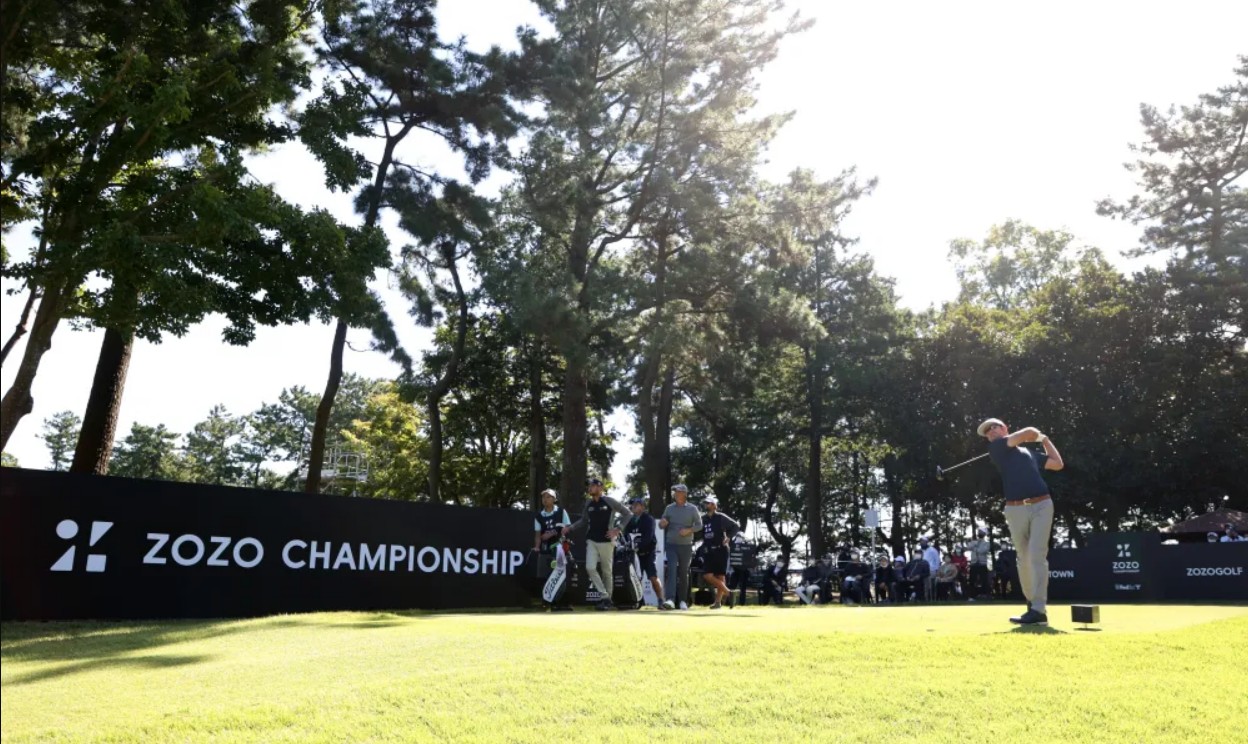
At the prestigious ZOZO Championship in Japan, we witnessed a memorable moment that stands as a stark reminder of golf’s unpredictabilities. During an ambitious attempt at the dogleg left par-4, stretching just over 500 yards, a player found himself in a challenging predicament. A misplaced tee shot veered left, closely aligning with a formidable tree root, setting the stage for an arduous recovery.
The Decision Point: Hero Ball vs. Strategic Retreat
Faced with a scenario that could perplex even seasoned golfers, the decision between a strategic retreat and an audacious recovery was paramount. Opting against declaring the ball unplayable—a move that would typically involve relegating to a safer, albeit less advantageous position—the golfer instead chose an aggressive approach. This choice, driven by an overconfidence perhaps nurtured by past successes, saw multiple attempts to free the ball, each escalating in risk and potential score inflation.
The Impact of Stubborn Resolve
“Thinking I could do anything got me into a hole,” reflected the player, a vivid acknowledgment of how stubbornness meshed with overconfidence can escalate a tricky situation into a scorecard disaster. After numerous attempts that only deepened the trouble, the ball was finally marked unplayable, and play resumed with a more conservative strategy aimed merely at damage control.
Consequences of Risks on the Greens
The series of decisions taken on that pivotal ninth hole resulted in tallying an unexpected eight on a par-4, a quintuple bogey that not only impacts the score but also the mental aspect of the game. This scenario unfolded despite the golfer’s renowned precision and strategic prowess, demonstrated by previous accolades and a credible track record on the PGA Tour.
Recovery and Resilience Post-Mishap
Despite the setback, the importance of resilience in golf was once again underscored. The player showcased commendable resolve by regaining composure and finishing the back nine with adept skill, registering a score of 1-under par. This included a meticulously executed birdie on the par-3 13th, reminding us all of the undulating nature of golf where fortunes can swing just like the clubs wielded by its players.
Strategic Insights for Amateur Golfers
For amateur golfers, the lesson is clear: understanding when to take your medicine and strategically maneuver to mitigate damage is crucial. Golf is a game of managing both the terrain and one’s ambitions. In scenarios laced with adversity, the pragmatic approach often outweighs the heroic. It’s not just about how well you hit, but how smart you play.
Looking Ahead: Potential for Redemption
The road ahead remains open and laden with opportunities for redemption. As the tournament progresses, with more rounds to play and less bumpy greens anticipated in the early mornings, the prospect of scoring lower rounds remains a tangible goal. It is in these moments that golf teaches its most enduring lessons—not only about the sport but about life itself—highlighting the importance of patience, strategic thinking, and the occasional need to accept temporary setbacks for long-term gains.
Frequently Asked Questions (FAQs):
What does “hero ball” mean in golf strategy?
“Hero ball” refers to a risky play where a golfer attempts a difficult shot in a challenging situation, often driven by overconfidence. This approach can lead to score inflation if the shot doesn’t succeed, emphasizing the importance of assessing risk versus reward.
How can golfers learn from high-pressure situations?
Golfers can learn to recognize when to take a conservative approach instead of pushing for a risky shot. Understanding the importance of damage control and being adaptable in the face of adversity can enhance decision-making on the course.
What should amateur golfers focus on during difficult rounds?
Amateur golfers should prioritize strategic thinking and resilience. Learning to manage the course effectively, accepting setbacks, and maintaining a positive mindset can lead to better overall performance and enjoyment of the game.
Leave a Reply