
We understand that achieving center-face contact dramatically impacts the quality of tee shots. One foundational element is maintaining excellent golf posture. This entails letting your arms naturally hang with hands positioned directly below the shoulders. If your shots tend to veer off to the toe, consider moving slightly closer to the ball, while backing up could help correct heel shots.
The Significance of Ball Position and Driver Distance
Positioning the ball appropriately at address is essential for maximizing your driver distance. Ideally, place the ball forward towards your lead foot but adjust according to the desired ball flight. Manipulating ball position helps adapt to various course conditions and achieve the desired trajectories.
Leveraging Launch Angles for Superior Tee Shots
Adjust your shoulders to reflect your ball position for optimal launch angles. Elevate your lead shoulder slightly higher when the ball is positioned forward. This setup aids in achieving an upward swing path, crucial for enhancing the ball’s launch off the tee. Utilizing a launch monitor can provide valuable feedback on your angle of attack and overall swing mechanics.
Improving Swing Path with Alignment Tools
A consistent and accurate swing path is pivotal when using drivers. To avoid common pitfalls like slices and hooks, incorporating alignment sticks or padded rods can serve as practical tools in fine-tuning your swing path. These aids help in aligning your shots more effectively, ensuring greater accuracy on the fairway.
Incorporating Speed into Your Swing
Next, focus on integrating more swing speed while maintaining control and proper technique. The interplay between managing speed and preserving an effective swing path requires practice. Equipment fitting can significantly aid this process; specialized golf facilities offer tailored fitting sessions that optimize your performance by matching the right equipment to your playing style.
Ground Contact and Technique Adjustment
Another crucial aspect is managing ground contact during your swing. If you find yourself hitting the ground, take a moment to reset. Ensure your swing creates a ‘swoosh’ sound right above the ground level—this indicates a clean, effective swing that maximizes the energy transfer at the point of contact.
Speed Training and Control
To master controlled speed increment in your swings, consider engaging in targeted speed training programs. These are designed to enhance your speed while ensuring it doesn’t come at the loss of accuracy or control.
Mastering the Sequencing Drill for Optimal Contact
A practical exercise to enhance your tee shot is the sequencing drill. Start with your feet together, initiate the backswing, and as you proceed, step forward with your lead foot. This movement helps increase the swing speed and improves the timing of contact, contributing to a powerful drive.
Addressing Common Errors: Avoiding Popped-Up Tee Shots
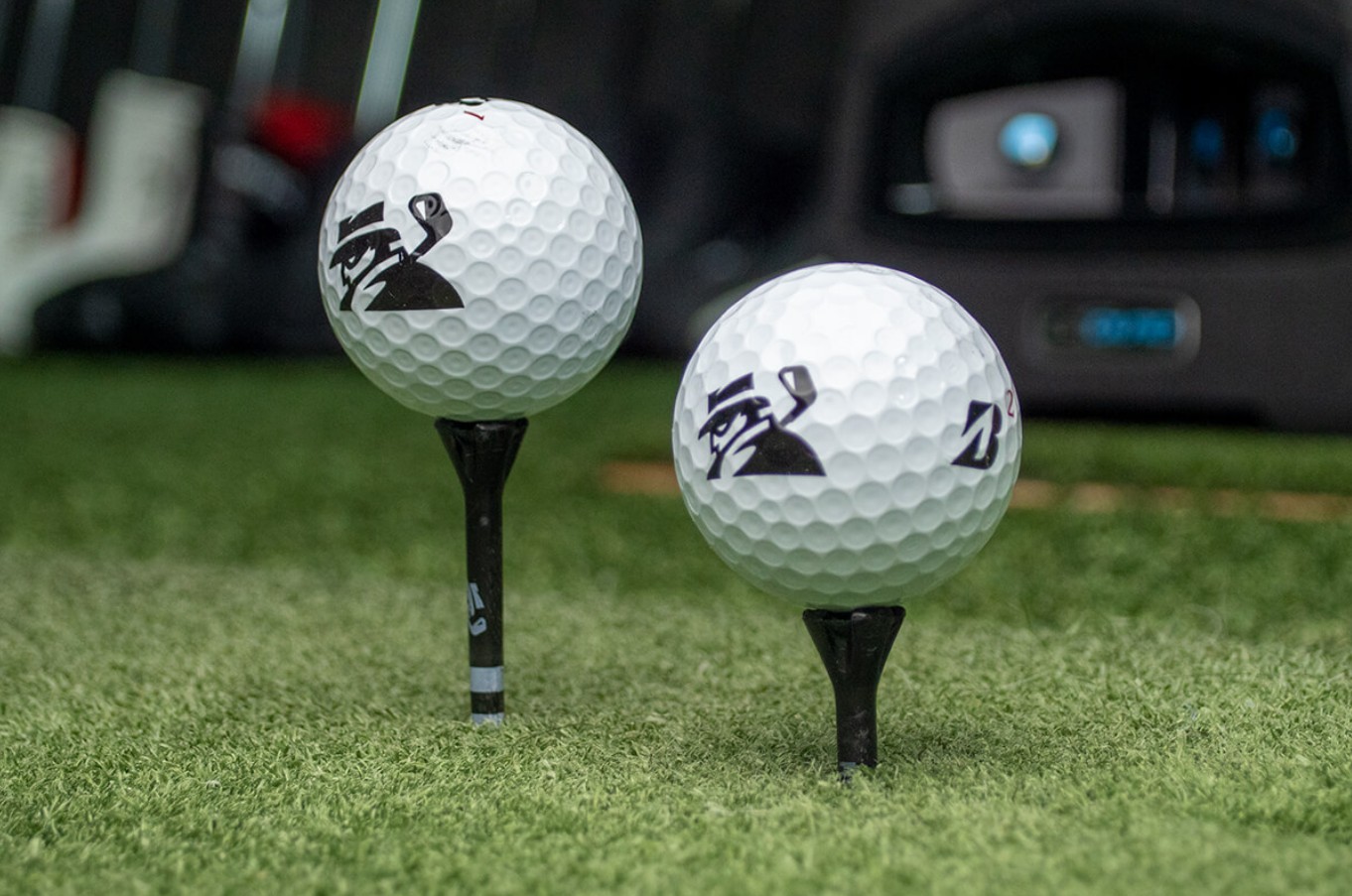
Contrary to popular belief, a popped-up tee shot is more often due to a low tee setting than a high one. Ensure your tee height supports a slightly upward swing path. This adjustment helps in minimizing ground contact, preserving speed, and preventing loss of distance due to improper swing angle.
By attentively adjusting these aspects of your tee shot approach—from posture and ball position to swing mechanics and speed control—we can enhance overall performance and consistency on the golf course.
Frequently Asked Questions (FAQs):
How does ball position affect tee shot distance?
Positioning the ball forward towards your lead foot at address is crucial for maximizing driver distance, as it allows for an upward swing path, promoting higher launch angles.
What role does posture play in achieving better tee shots?
Maintaining excellent golf posture—where your arms hang naturally and hands are below your shoulders—ensures center-face contact, significantly enhancing the quality of your tee shots.
What common errors should golfers avoid when teeing off?
One common mistake is using a low tee setting, which can lead to popped-up shots. Ensuring a slightly upward swing path by adjusting tee height helps minimize ground contact and maintain speed for longer distances.
Leave a Reply