
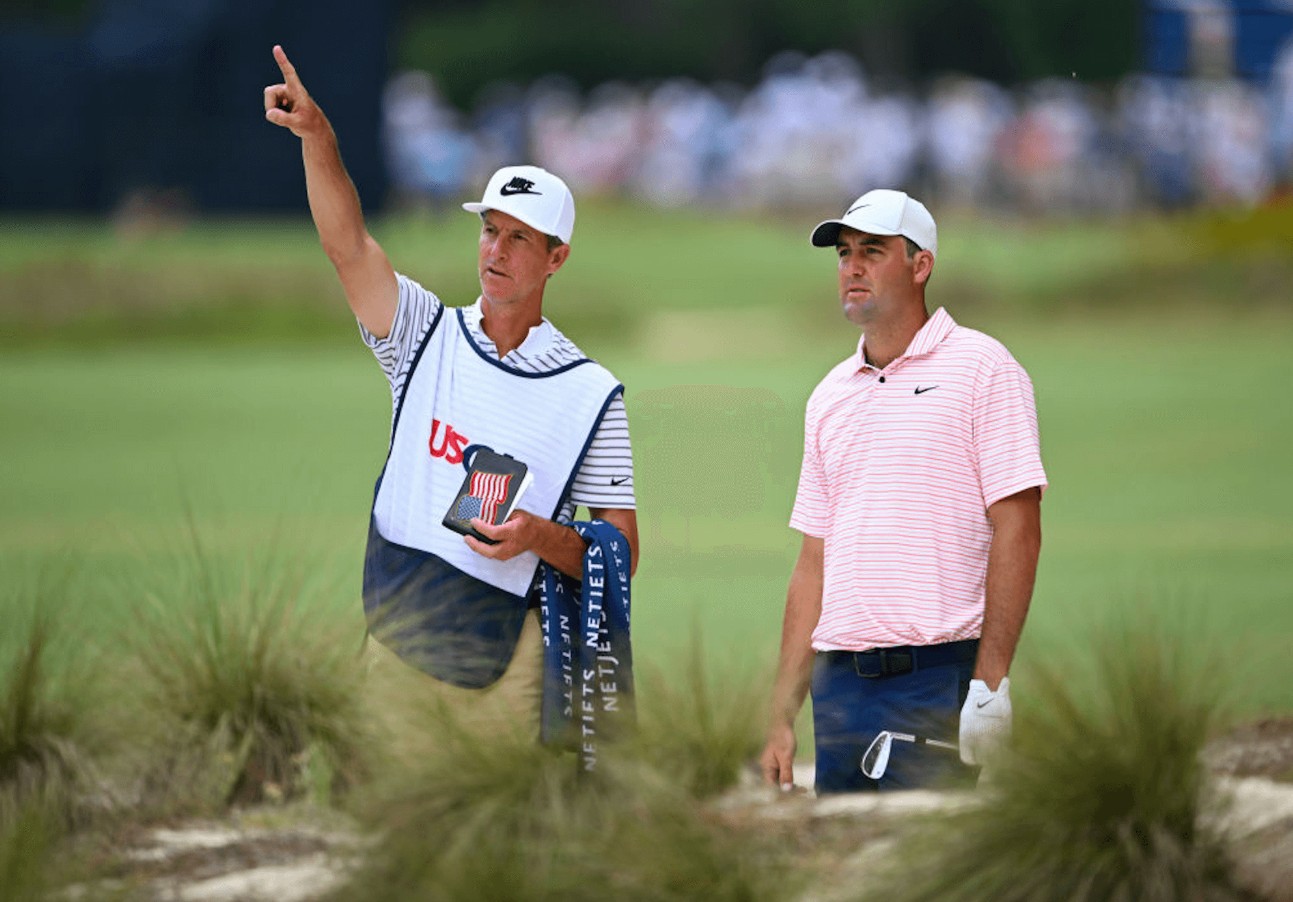
When we discuss the dynamics of caddying, particularly at a professional level, the focus often shifts to individual player strengths and how these should dictate strategy on the course. Ted Scott, a seasoned caddie, points out a common oversight among less experienced players: not playing to their strengths. “It’s about managing your own game,” Scott suggests, emphasizing the importance of understanding whether to aim straight for the green or allow for larger margins when precision is lacking.
Citing his time with creative players like Bubba Watson, Scott explains the necessity of tailoring approach based on individual playing styles. At places like Hilton Head, where the course layout demands straight shots due to narrow greens and overhanging trees, players who thrive on creative, non-standard shots find it challenging. Conversely, at Augusta, the course’s structure allows inventive players to excel, leveraging the terrain to execute imaginative and high-spin shots that play to their strengths.
Navigating Psychological Pressures and Managing Expectations
Another significant hurdle that Ted Scott identifies is the psychological impact of unrealistic expectations. Many amateur golfers, according to Scott, struggle with the precision demanded by their clubs and shots. For instance, hitting a 3-wood from 230 yards onto a small target is a challenging feat even for professionals, which often leads to frustration among amateurs who expect consistent perfection. “It’s 230 yards. Like if we had a par-3 that was 230 yards on the PGA Tour, half the guys would miss the green,” Scott remarks, setting a realistic perspective on such expectations.
The psychological aspect of golf is intricate, as seen in strategies used by top professionals like Jordan Spieth. Scott shares that Spieth, with a clear understanding of risk versus reward, might intentionally risk a challenging shot knowing that it could lead to easier subsequent shots, thus maintaining overall scoring potential. This mental balance is crucial, as is ensuring that a player’s confidence isn’t shattered by occasional poor outcomes, which is a vital part of a caddie’s role in managing both game and emotional resilience.
Optimizing Performance Through Strategic Caddying
Whether caddying for seasoned pros like Bubba Watson or advising amateur golfers, the role of a caddie extends beyond merely carrying clubs and calculating distances. It involves profound psychological insight and strategic foresight. One of Scott’s primary tasks is to translate the course’s challenges into the player’s language, helping them visualize and execute shots in a manner that aligns with their unique abilities and comfort zone.
By recognizing and utilizing each player’s strengths, maintaining realistic aims, and effectively managing psychological impacts of the game, a caddie can substantially enhance a player’s performance on the course. Scott exemplifies this with his thoughtful approach, turning potential obstacles into strategic advantages through deep understanding and effective communication. The goal is always clear: keep the player’s confidence high and cortisol levels low, providing them with the best opportunity to excel.
Frequently Asked Questions (FAQs):
What key insight does Ted Scott provide about course strategy for golfers?
Ted Scott emphasizes the importance of playing to a golfer’s strengths and adjusting strategy based on the course layout. For example, at narrow courses like Hilton Head, precision is critical, while more creative shot-making thrives at Augusta.
How does Ted Scott help players manage psychological pressure on the course?
Scott helps players manage expectations by reminding them that even professionals miss difficult shots, like hitting a 3-wood onto a small target. This realistic mindset helps golfers maintain confidence and avoid frustration during challenging shots.
What is the role of a caddie in enhancing a golfer’s performance, according to Ted Scott?
A caddie’s role extends beyond carrying clubs, involving strategic guidance and psychological support. Scott focuses on aligning shot choices with the player’s strengths, managing emotional resilience, and helping them visualize success to optimize performance.
Leave a Reply