
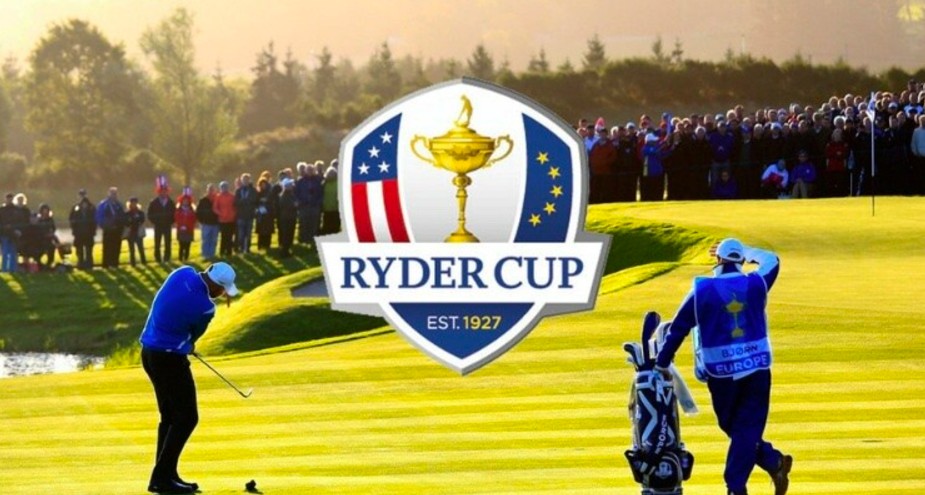
The PGA of America has reportedly been in the final stages of an unprecedented decision: proposing payments to U.S. Ryder Cup participants, specifically an amount of $400,000 to each member selected to compete at the iconic Bethpage Black. This decision highlights an ongoing shift in perspectives—viewing participation not just as an honor but potentially as a viable financial opportunity.
Europe’s Stalwart Stance: Rory McIlroy and Shane Lowry Speak
In stark contrast to this American inclination towards monetization, notable figures from the European Ryder Cup team have openly criticized the notion. Rory McIlroy and Shane Lowry, celebrated personalities within the golfing sphere, have articulated a rather traditional view, underscoring the privilege and honor inherent in representing one’s country at such a prestigious event. Their commentary resounds with a deep-seated respect for the spirit of the sport, a viewpoint that many recreational golfers align with and admire.
Golf Analyst Brandel Chamblee’s Insightful Reflections
Amidst these brewing controversies, Brandel Chamblee, a reputable former Tour pro and a sagacious Golf Channel analyst revered for his embrace of golf’s traditional core, expressed disapproval through a digital platform. He aligned with McIlroy’s perspective, lamenting the overshadowed elemental passion and national pride by emergent transactional attitudes. Chamblee’s cri de cœur extended beyond mere disappointment, as he critically analyzed the faltering bridge between professional and recreational golf, which he denotes as the game’s true foundation.
Chamblee notably drew parallels with revered artist Michelangelo’s motivations, which were rooted deeply in humanity and virtuous aspirations, rather than financial gain. He posits that true artistry and sportsmanship in golf should ideally echo such pure motivations.
The Underlying Issue: Golf’s Cultural Shift
This ongoing debate gains additional layers when recalled in light of past events, such as the controversy during last year’s Ryder Cup in Rome involving Patrick Cantlay. Allegedly refusing to wear the Team USA hat, an action he later refuted, Cantlay became the center of discussions concerning compensation and player motivations. Such incidents reflect a larger narrative of cultural evolution within golf, oscillating between upholding traditions and adapting to modernity’s pragmatism.
2025 Ryder Cup: A Convergence of Competition and Controversy
Looking forward to the 2025 Ryder Cup, set to unfurl its drama and competition at Bethpage Black, the discourse around player compensation will inevitably continue to stir both excitement and skepticism. As decisions unfold and details are ironed out, the golfing world watches with bated breath, hopeful for a celebration of the sport that retains its core values while gracefully navigating the complexities of contemporary professional sports.
In conclusion, as we stand at this crossroads, the broader golf community remains hopeful that the essence of golf, which has historically celebrated the sheer joy of playing and the honor of representation, will not be overshadowed by financial deliberations. The true spirit of the Ryder Cup, encapsulated by passion, unity, and the pursuit of sporting excellence, must continue to define this venerable event.
Frequently Asked Questions (FAQs):
What is the PGA of America’s proposed payment for U.S. Ryder Cup players?
The PGA of America has proposed paying $400,000 to each U.S. Ryder Cup team member selected to play at Bethpage Black.
How do European players view the idea of Ryder Cup payments?
European golfers like Rory McIlroy and Shane Lowry oppose the idea, emphasizing the honor and passion of representing their country over financial incentives.
What is the main concern around monetizing the Ryder Cup?
Critics like Brandel Chamblee argue that focusing on payments risks diminishing the event’s spirit, which is rooted in pride, passion, and the joy of competition.
Leave a Reply