
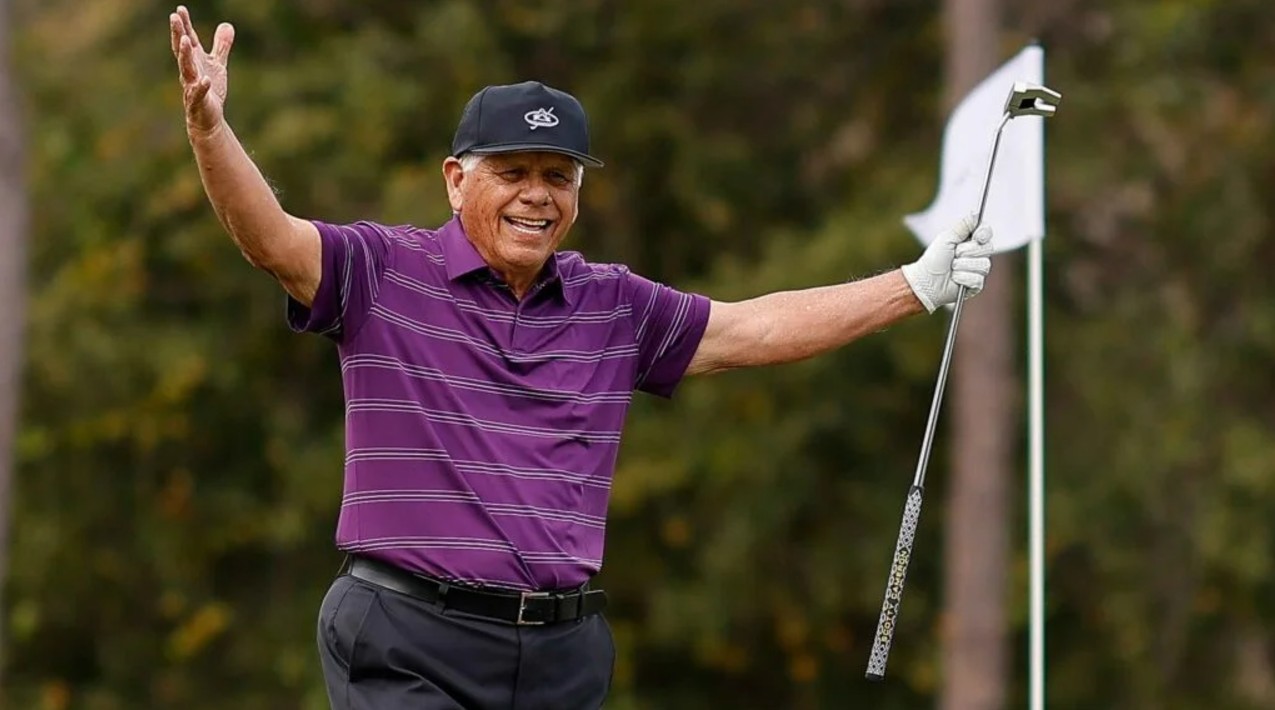
We often witness numerous golfers, even the experienced ones, stumble with their backswing technique. Lee Trevino, a six-time major winner and a legendary ball-striker, points out three frequent bad habits that can hinder a golfer’s performance from the tee.
Early Wrist Break
One typical error is initiating the wrist break too prematurely during the backswing. This action should occur naturally and in conjunction with other movements rather than being forced at the beginning. By correcting this, golfers can maintain a more coherent and powerful flow throughout their swing.
Club Path Issues: Too Far Outside
Additionally, Trevino highlights the tendency to “pick up” the club too early, resulting in an outside swing path. This position can dramatically alter the trajectory and accuracy of the shot, making it crucial to focus on a smoother, more aligned takeaway. Adjusting this aspect of your backswing can significantly improve your control and consistency on the fairway.
Improper Elbow Alignment
The third common mistake involves incorrect elbow positioning, particularly the right elbow for right-handed golfers. If the elbow breaks inward too drastically, it can lead to an overly inside club path, which disrupts the entire swing sequence. Awareness and adjustment of elbow movement are vital for maintaining a balanced and effective backswing.
Executing the Correct Backswing
According to Trevino, the optimal backswing aligns the movement of the left shoulder with the clubhead, promoting a unified motion away from the ball. He suggests that for a swing that follows the inside path, one must slightly close the hips, as the club will follow the alignment of the hips. Conversely, to maintain a straight path, squaring up the stance is imperative. This adjustment ensures that the swing direction remains consistent and targeted.
The Impact of Ball Position on Swing
Ball positioning is another critical factor that influences the quality of your swing. Positioning the ball too forward can lead to a ‘thin’ interaction where the club hits the ball at an upward angle, leading to low and erratic shots. Trevino advises positioning the ball slightly back in the stance than most golfers assume, which helps achieve a more solid and compressed strike, thus sending the ball on a straighter and more predictable path.
The Radius of Your Swing
Lee Trevino uses an eloquent analogy to describe the dynamic of a golfer’s arms during a swing, comparing them to the limbs of a tree. As the limbs (arms) swing around the trunk (body), there exists a natural radius that, if altered, can disrupt the swing’s effectiveness. Ensuring this radius remains consistent is crucial in avoiding mishits such as whiffs or thin shots.
Conclusion: Integrating Trevino’s Tips
Integrating these insights into your practice routine can significantly shape the way you approach your backswing and overall game strategy. Understanding the mechanics of the backswing and the placement of your body and club can lead you towards more consistent and rewarding golf outcomes. Keep these tips in mind to refine your technique and enhance your performance on the course.
Leave a Reply