
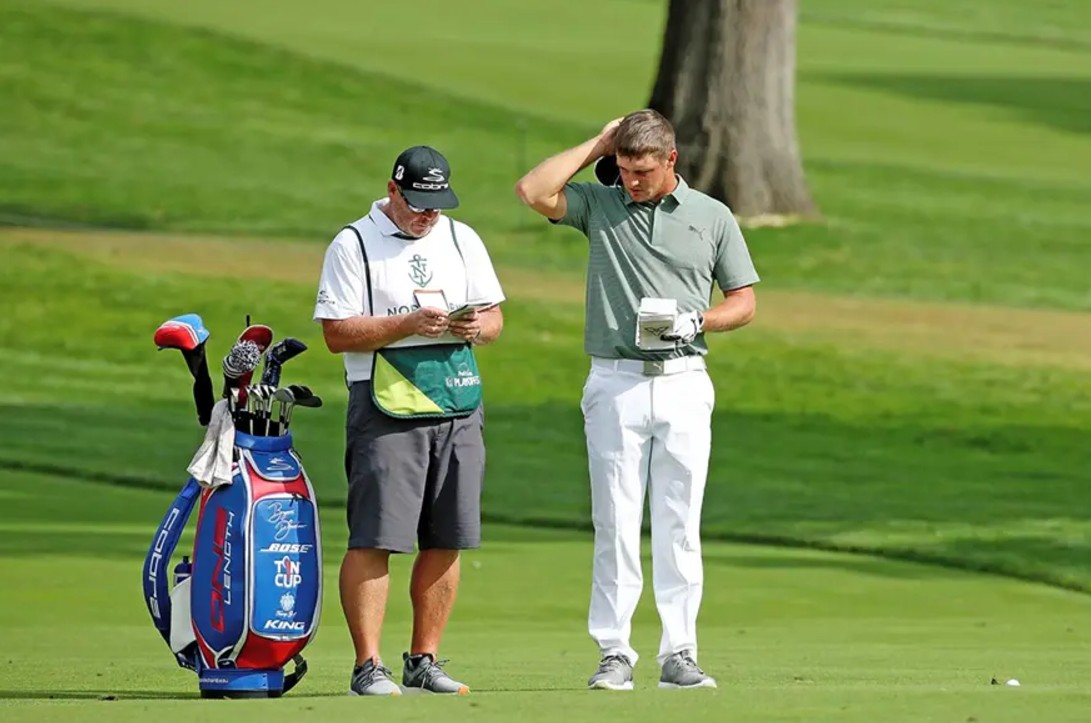
As the professional golf landscape continuously evolves, one issue persistently frustrates both players and fans alike: slow play. The recent Annika tournament highlighted this problem with rounds dragging well past the five-hour mark. Seasoned players like Charley Hull emphasized that current measures such as stroke penalties seem ineffective, pointing to a need for more drastic resolutions to discourage the snail-paced progress which can often plague tournaments.
Expert Opinions on Possible Solutions
During discussions at the season-ending CME Group Tour Championship, prominent figures like Angel Yin and Nelly Korda, alongside their peers, voiced their frustrations and ideas. Interestingly, despite the widespread acknowledgment of the issue, solutions seem to vary drastically, ranging from stricter penalties to more efficient course management strategies.
Pacing Strategies from the Tour’s Fastest Players
Nelly Korda, known as one of the tour’s speediest players, shared insights into her approach to maintaining a brisk pace during play. According to Korda, the key to quick play is preparation and instinct—getting ready to take your shot well before it’s your turn and relying on your first instinct to expedite decision-making. This proactive approach could be a valuable lesson in efficiency for other players on the tour.
Enhancing On-Course Efficiency
Another factor often overlooked in the slow play debate is the layout and setup of the golf course itself, which can significantly impact play duration. Professionals pointed out that pin positions and course design should consider pace of play to prevent unnecessary delays. Moreover, implementing more stringent monitoring of play pace and possibly increasing the number of officials could ensure adherence to expected timelines.
Variable Factors Affecting Play Tempo
Lydia Ko pointed out that several factors contribute to slow play, which are often out of the players’ control. Variables such as course difficulty, weather conditions, and the stakes of the tournament play considerable roles in how quickly rounds are completed. These elements must be carefully balanced to ensure fair play without unnecessary delays.
Solutions and Future Directions
The dialogue surrounding slow play continues as stakeholders seek feasible solutions. While fines and penalties exist, their effectiveness remains debatable. Perhaps a more nuanced approach, combining penalty enforcement with strategic changes in course management and tournament operations, might pave the way forward. Engaging all players in discussions on pace strategies could foster a more collective and proactive approach to managing play speed.
Ultimately, the goal is to enhance the experience for everyone involved—players, fans, and officials alike—by creating a more dynamic and engaging golf environment. Whether through policy changes, technological aids like pace-of-play clocks, or cultural shifts among players, the drive towards resolving slow play remains a key concern as the sport progresses.
Frequently Asked Questions (FAQs):
Why is slow play a problem in professional golf?
Slow play frustrates players, fans, and officials, often leading to prolonged rounds that reduce the enjoyment and flow of tournaments.
What are some proposed solutions to slow play?
Solutions include stricter stroke penalties, improved course design and management, enhanced monitoring by officials, and encouraging players to adopt faster play strategies like preparing shots in advance.
What factors contribute to slow play?
Slow play can result from course difficulty, weather conditions, tournament stakes, and individual player habits, making it a complex issue to address.
Leave a Reply