
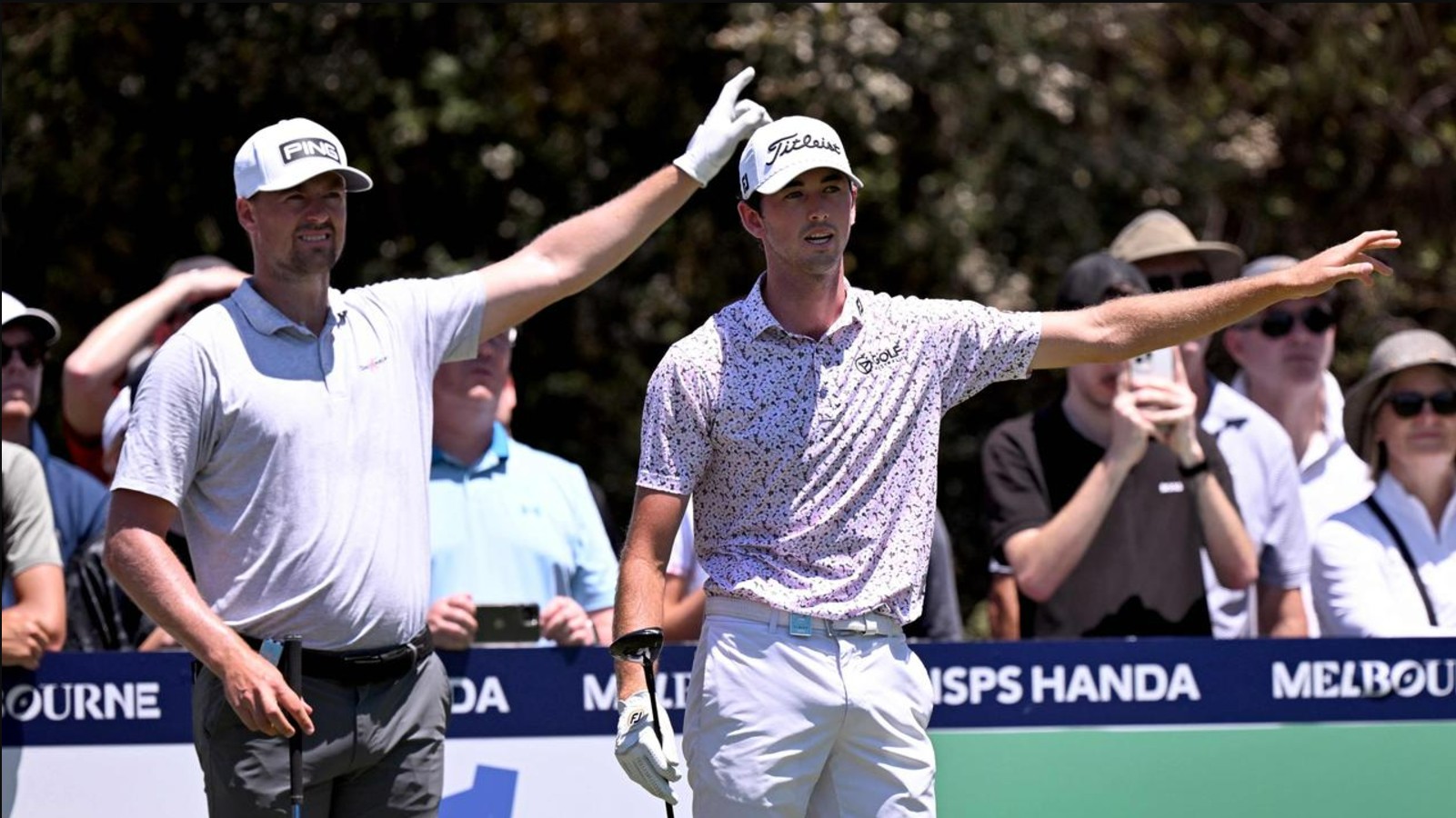
We recently witnessed some intriguing dynamics at Kingston Heath, notably Cameron Smith’s struggle and young prospect Elvis Smylie’s impressive performance. Starting strong, Smith’s early birdies and an eagle initially suggested a promising round. However, the pace of play warning seemed to pivot the day’s outcome significantly.
The slow play warning, a critical factor usually issued to maintain the tournament’s flow, had a contentious reception. Smith, known for his rapid gameplay, expressed his frustrations, noting that he isn’t usually someone who lags behind. The inclusion of being “put on the clock” added an undesirable layer of pressure, leading to what Smith described as “bad decisions” that ultimately saw a series of bogeys and a double bogey deflating his scorecard.
Elvis Smylie’s Standout Performance under Pressure
Contrastingly, Elvis Smylie managed to channel his focus under the same constraints, culminating in a stunning 64, positioning him just five shots off the lead. Smylie’s approach highlighted a maturity in handling pressure, pointing out that the pace issue was more of a collective challenge for the group, which also included French golfer Victor Perez.
Smylie’s Growth and Mentorship under Smith
Smylie, Australia’s burgeoning golf talent and a recent winner of the Australian PGA Championship, sees Smith not only as a competitor but also a mentor. This mentorship was tested under the pace of play pressures at the Australian Open. Despite the challenges, Smylie’s performance showcased his ability to remain composed, making significant strides in his professional growth.
The Broader Implications of Pace of Play at the Australian Open
The issue of pace affects not just the players individually but the entire setup of the tournament. Players put “on the clock” often find themselves rushing, which can lead to more anxious gameplay. Smylie’s comments about keeping up his routine despite the warnings reflect a proactive approach to managing this aspect of professional golf.
Meanwhile, Smith’s situation reveals how external factors like time warnings can exacerbate the pressure, affecting decision-making and overall performance. His resolve to address these challenges head-on and manage them better in future tournaments speaks to his professional resilience.
Outlook for Future Rounds
Looking ahead, both players will undoubtedly take these experiences as critical learning points. Smith’s renowned speed and strategic acumen will continue to make him a formidable player, while Smylie’s potential and recent performances suggest a bright future ahead.
As teammates at Ripper GC, alongside Lucas Herbert who currently holds a four-shot lead, Smith and Smylie’s dynamics will be fascinating to watch as they navigate the complexities of professional golf, both as individuals and as part of a collective team facing the universal challenge of maintaining pace in play.
Frequently Asked Questions (FAQs):
How did the slow play warning impact Cameron Smith’s performance at the Australian Open?
The slow play warning caused Cameron Smith to feel pressured, which led to “bad decisions” and ultimately contributed to a series of bogeys and a double bogey, affecting his score and momentum during the round.
How did Elvis Smylie handle the pace of play challenge during the tournament?
Elvis Smylie managed the pressure of the slow play warning by maintaining his routine and composure, which helped him achieve a standout 64 and position himself just five shots off the lead. His ability to stay focused under pressure highlighted his maturity as a player.
What role does Cameron Smith play in Elvis Smylie’s development?
Cameron Smith serves as a mentor to Elvis Smylie, offering guidance and support. Despite the challenges posed by slow play warnings, Smylie showed growth in handling pressure, further strengthening his bond with Smith as both a competitor and mentor.
Leave a Reply